



Inside the William Johnston Building at Florida State University, students are testing how fabrics hold up under pressure, heat, moisture and wear by using the same tools found in industry labs.
The Textile Testing Lab, led by Meredith McQuerry, the Carol E. Avery Associate Professor in the Jim Moran College of Entrepreneurship, gives students direct experience evaluating product performance while also supporting faculty research and industry partnerships.

Funding from the Student Technology Fee, a resource managed by FSU’s Information Technology Services that has distributed more than $72 million across campus to support instructional technology since 2010, has reshaped the lab, allowing it to replace most of its core equipment and keep pace with industry standards. McQuerry called the support transformational.
“The lab is used first and foremost as a teaching space,” she said. “Students don’t just read about testing standards. They perform the tests themselves.”
“I cannot stress enough how transformational the Student Technology Fee funding program has been,” McQuerry said. “I have applied for it nearly every year I have been here, and we are so grateful to have received funding to replace almost every single piece of equipment in the Textile Testing Lab.”
That hands-on work is central to the lab’s role. Students in product evaluation and quality assurance courses learn how materials fail, how products perform, and how to interpret testing data — skills used in fields like sourcing, product development and quality control.
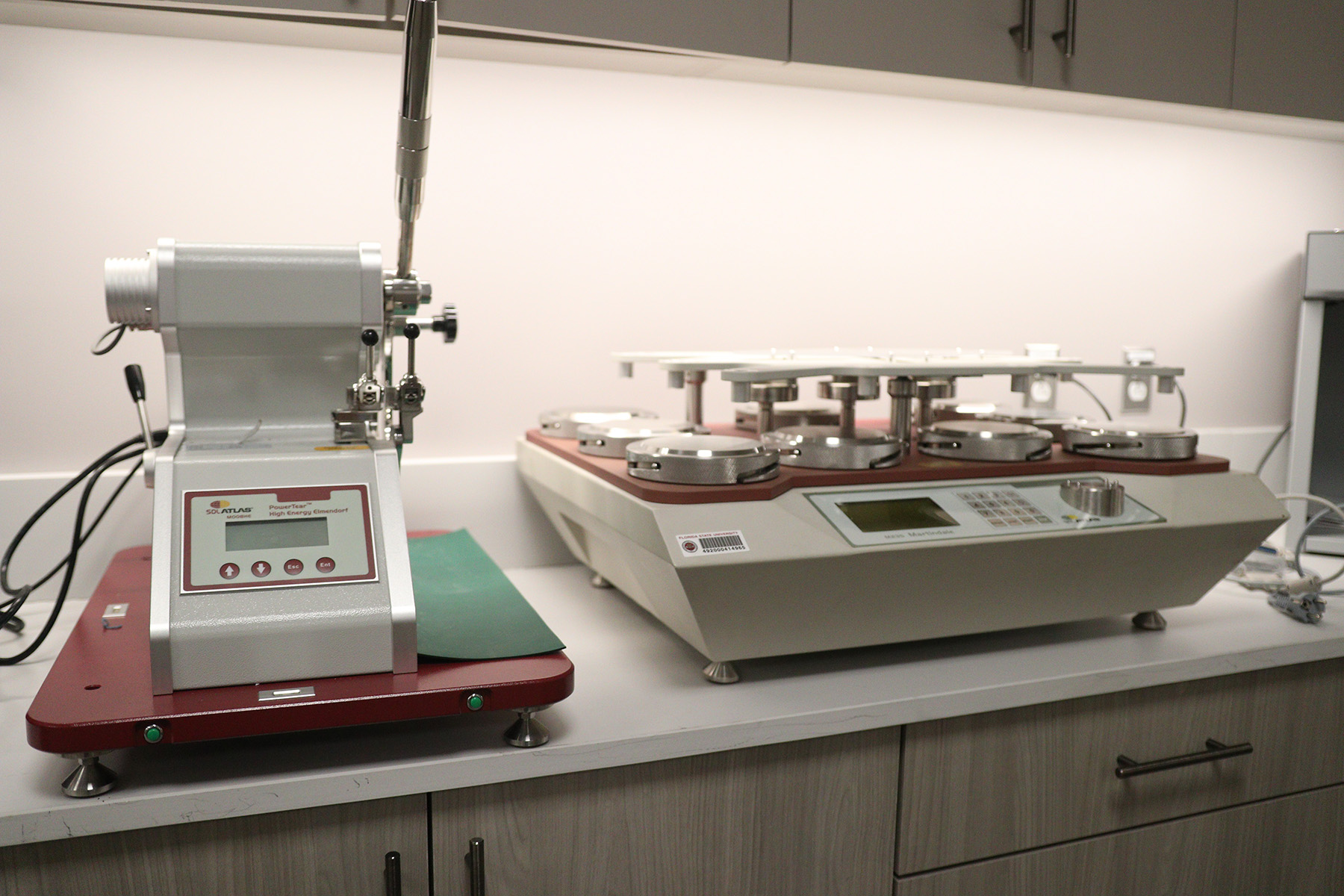
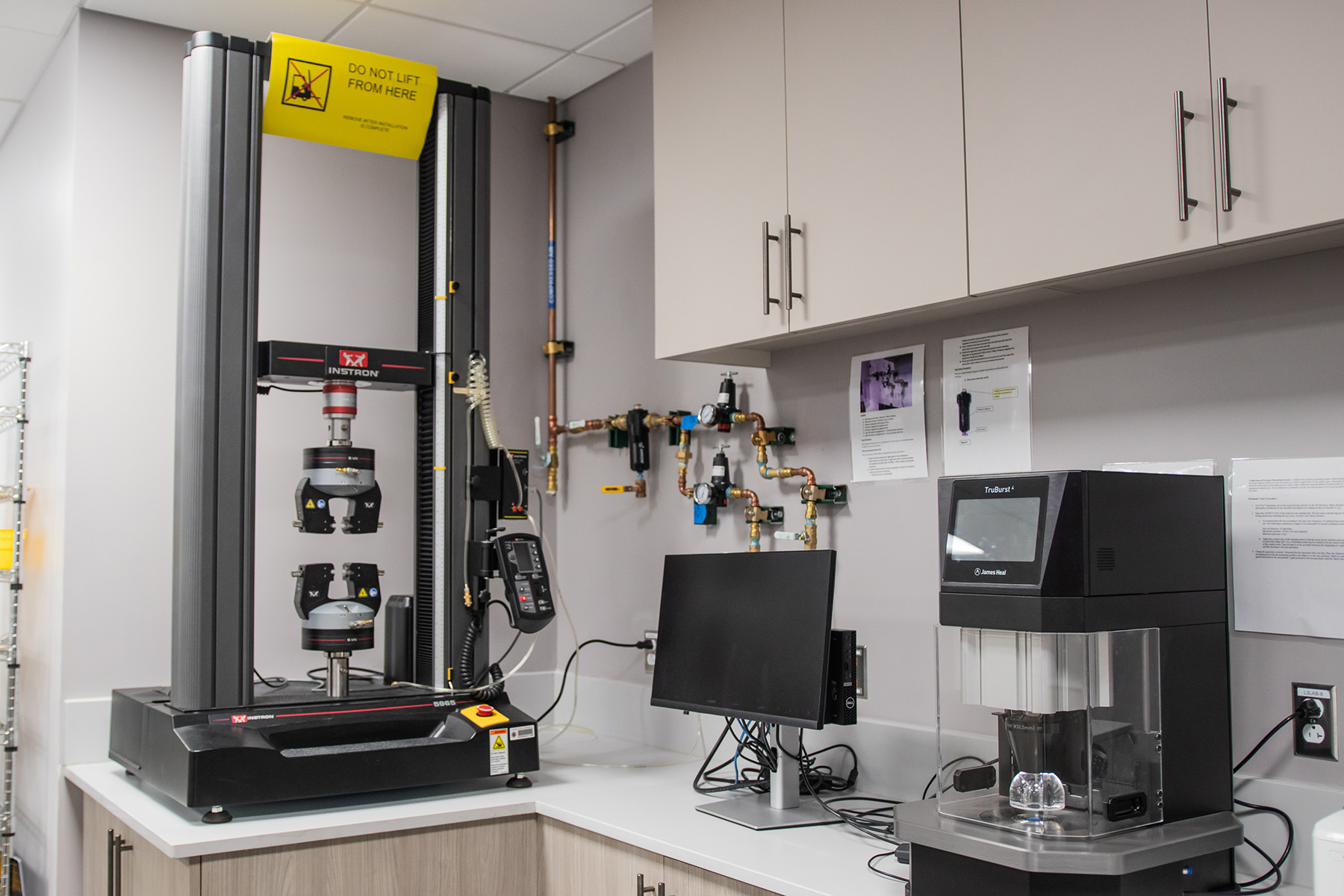
Although the lab has been at FSU for decades, McQuerry said the support has expanded what the lab can do. New equipment includes a vertical flammability tester used to assess safety in products such as children’s sleepwear, firefighting gear, airplane interiors and mattresses. Other additions measure air permeability, moisture management and durability.
McQuerry said labs like this are becoming rare at universities, making student access at FSU especially valuable. At one point, the space served about 200 students each week.
“You can’t replace that hands-on experience with a textbook alone,” she said.
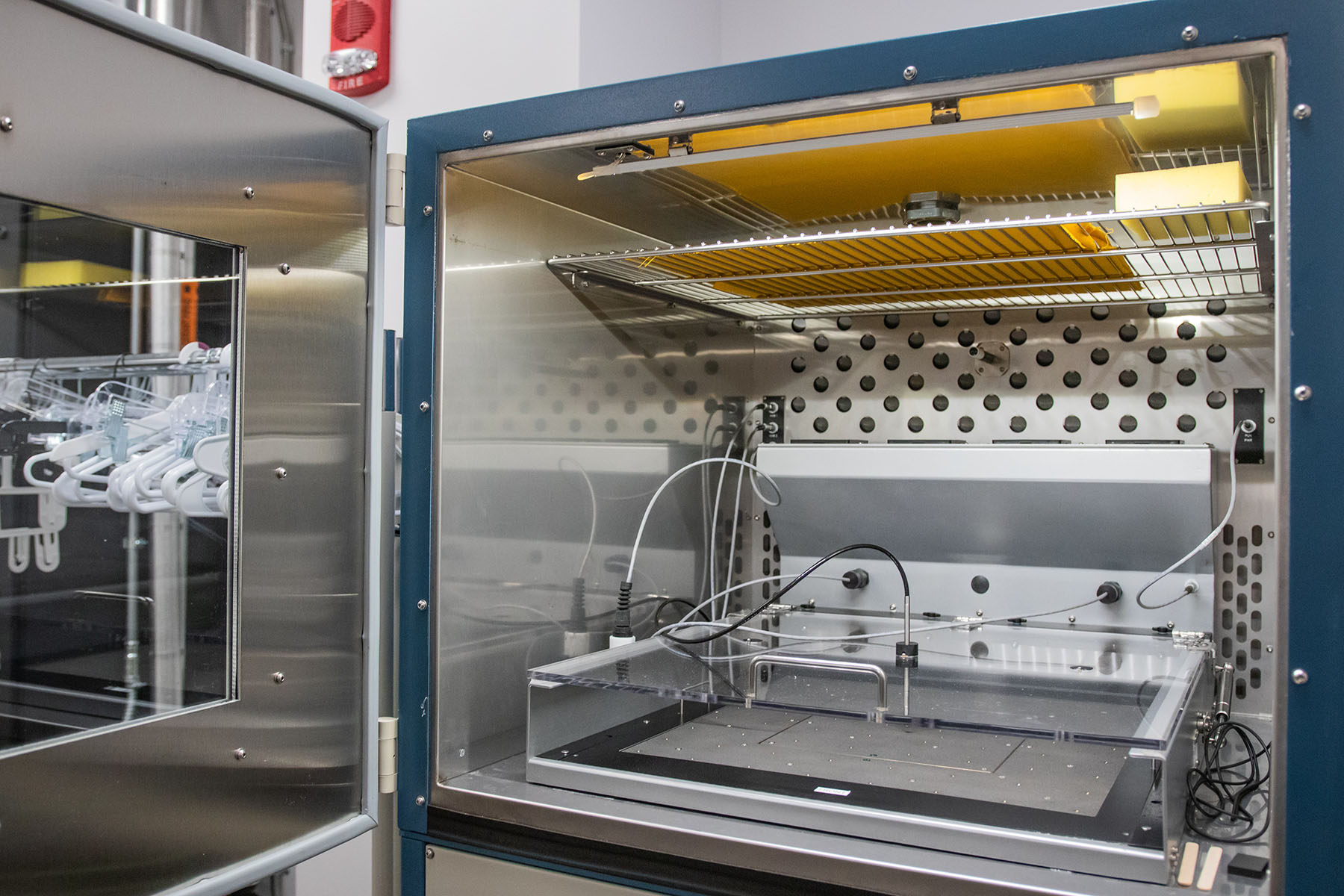
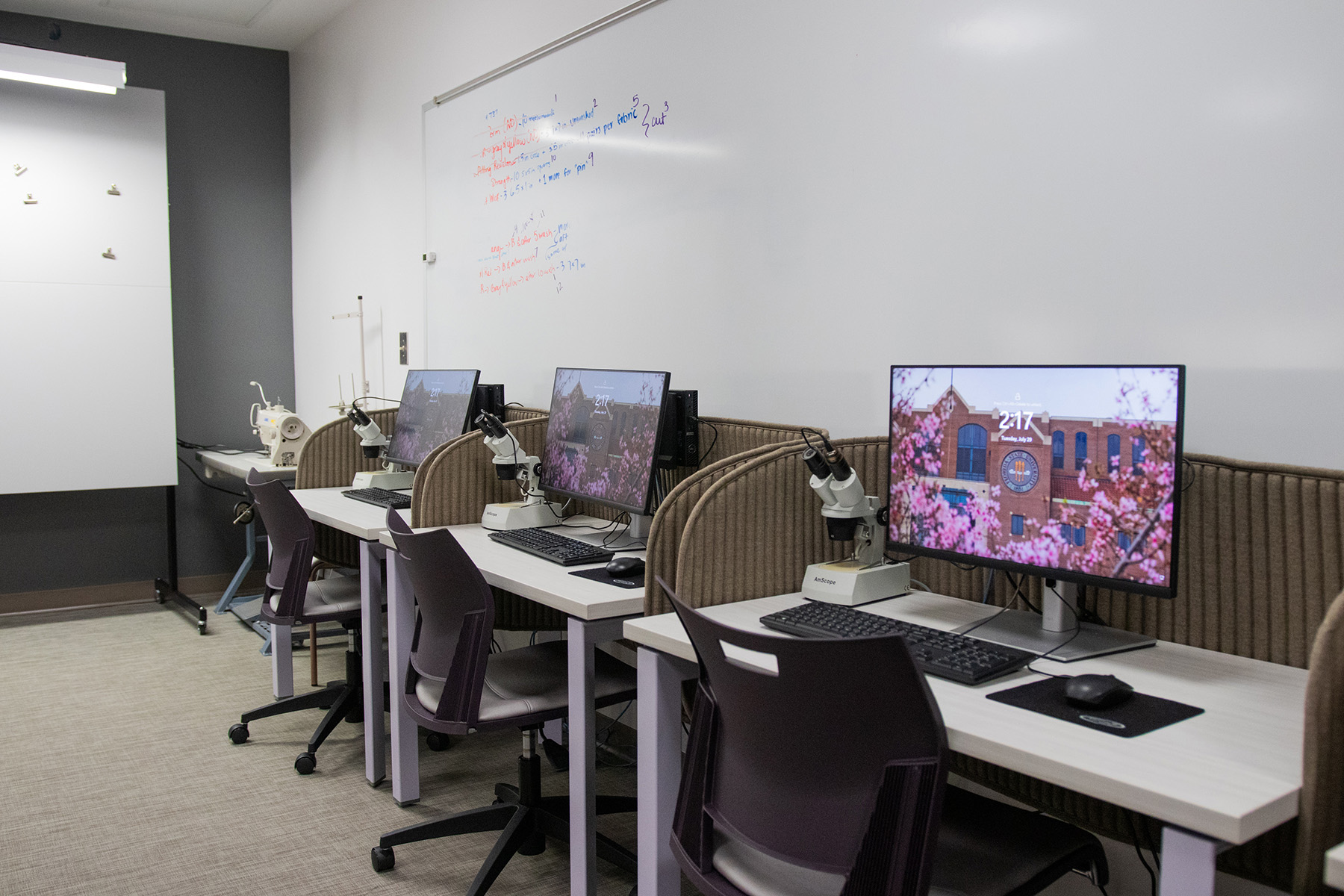
The Student Technology Fee has helped maintain that access by supporting both equipment and the systems needed for instruction. Without it, McQuerry said, students would have fewer opportunities to train with tools that reflect current industry practice.
The lab continues to support both learning and research, helping students understand the science behind everyday materials while preparing them for careers across the textile and product industries.
For more information on how the Student Technology Fee supports innovation at FSU, visit its.fsu.edu/stf.