



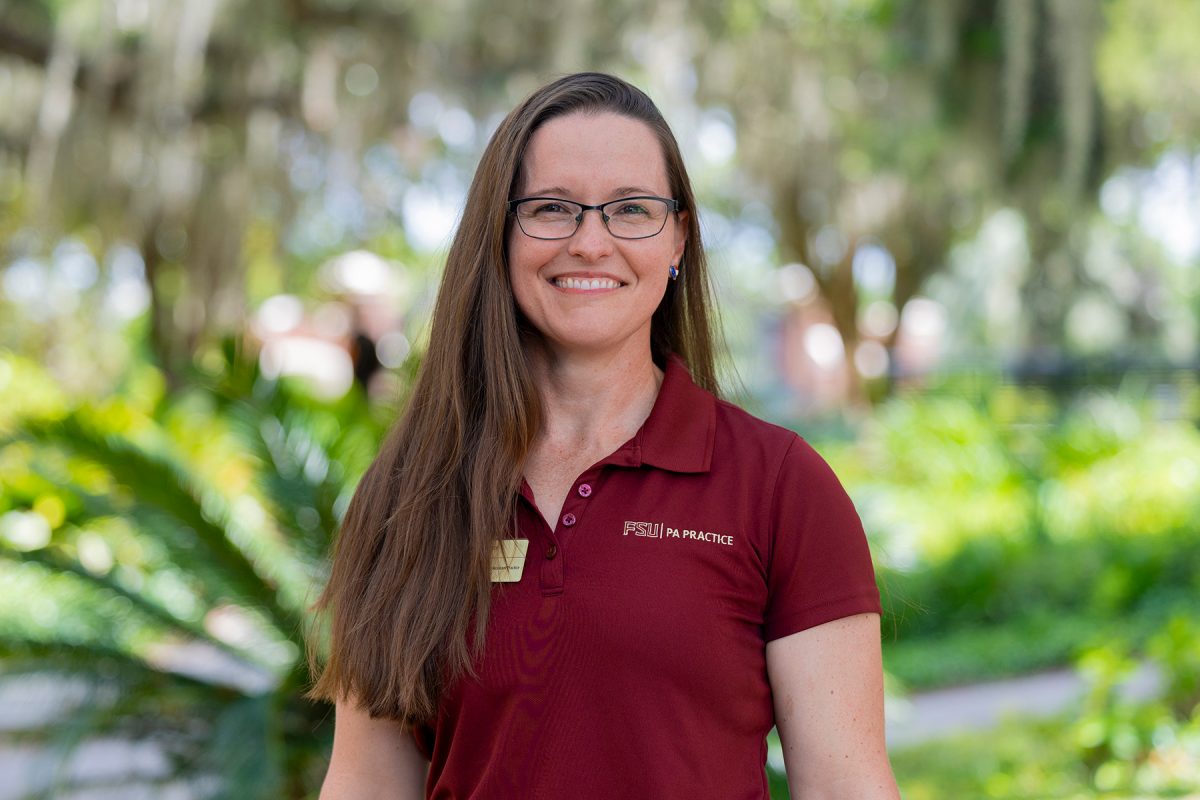
“Coming to FSU truly felt like coming home, because the grit and accountability I forged as a military flight medic and professional student gave me the exact foundation I needed to shape the next generation of medical professionals.”
Fast Facts
- Twin sister: Deployed to Iraq as a flight medic while her twin deployed to Afghanistan
- Newlywed: Recently married her husband Joe at Zion National Park
- Musician: Played the sousaphone and oboe in high school
- Future doctor: Kept her maiden name so her official title will be Doctor Justice
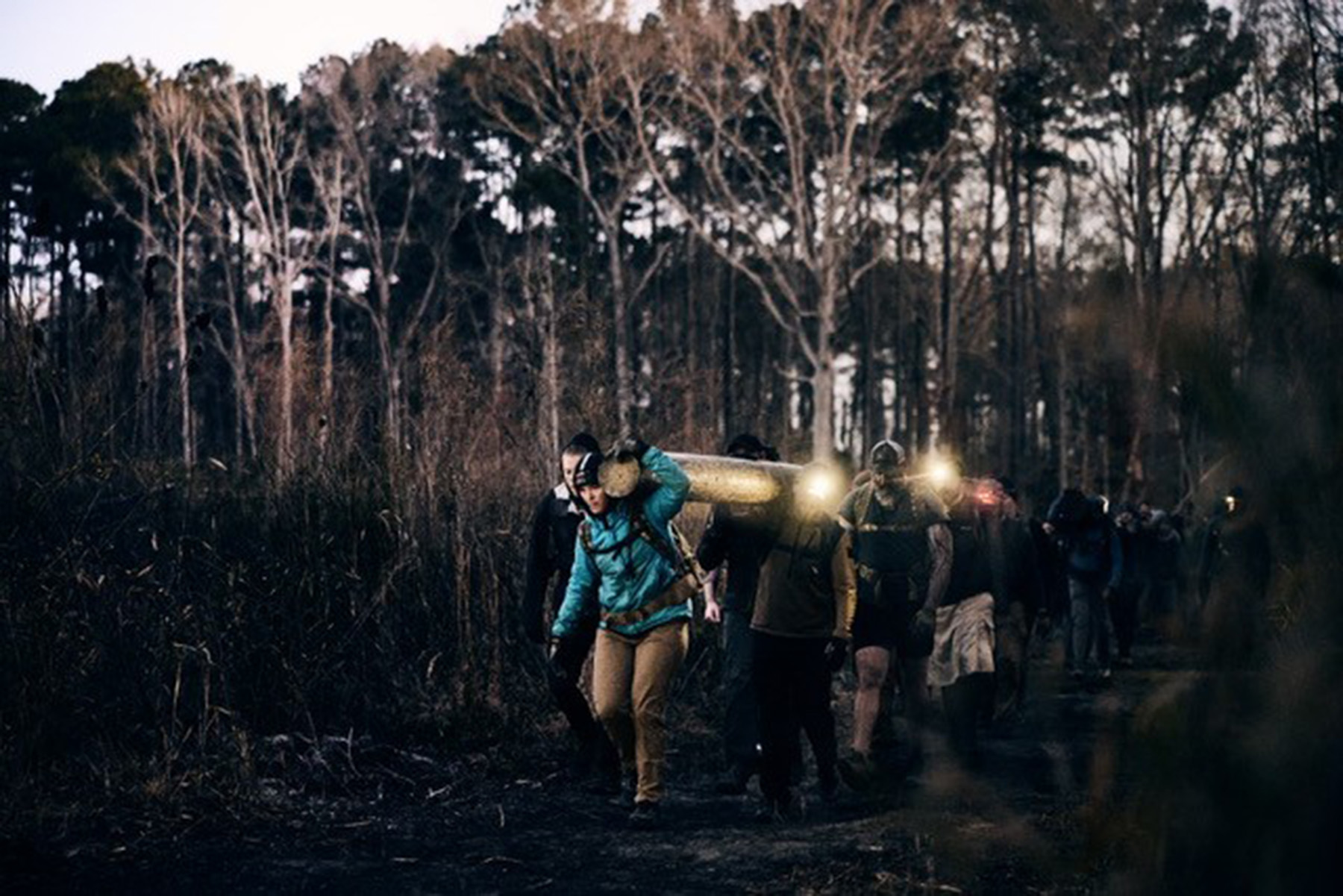
- Endurance competitor: Won the female division of a 48-hour GORUCK Team Assessment Competition this past April 2026
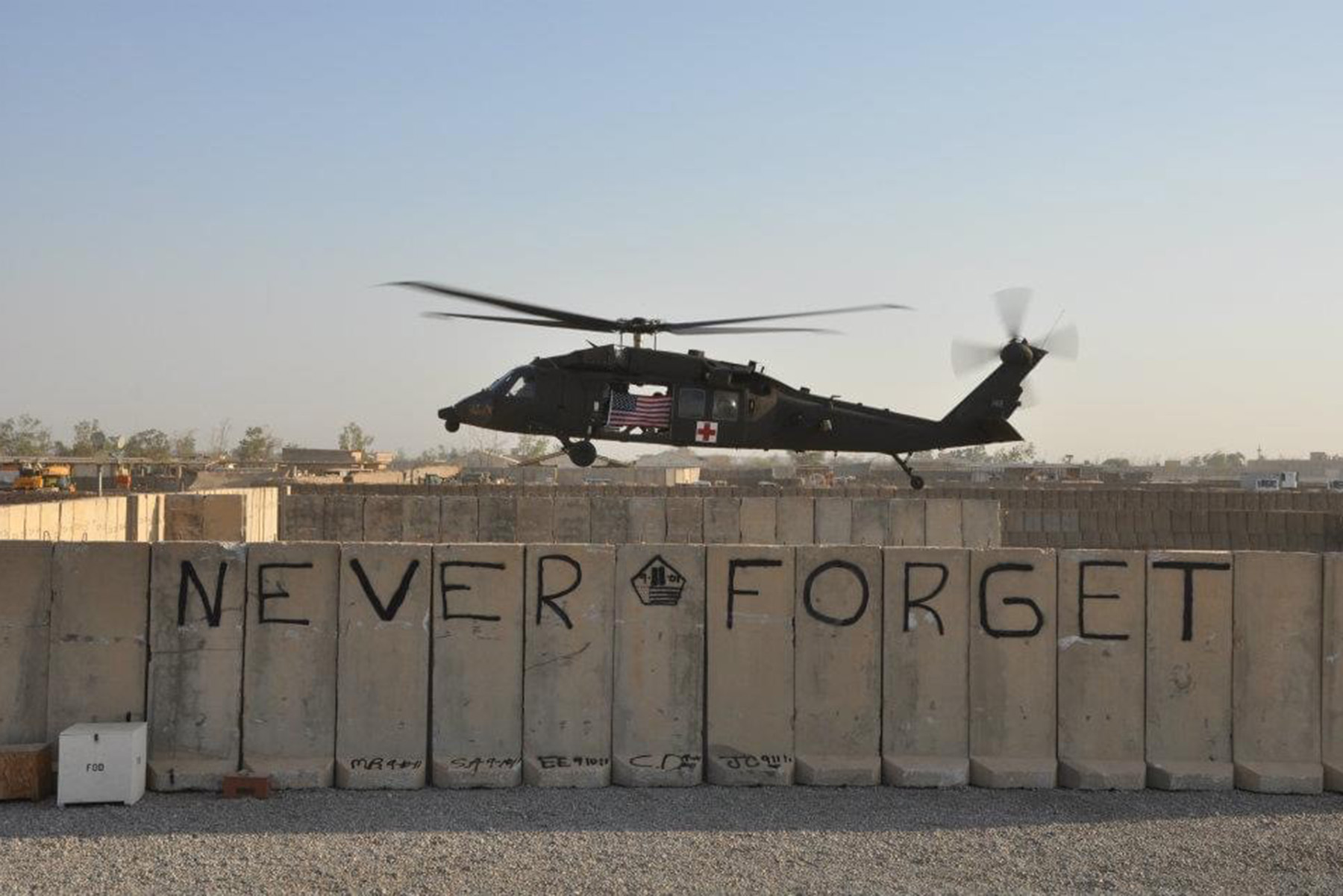
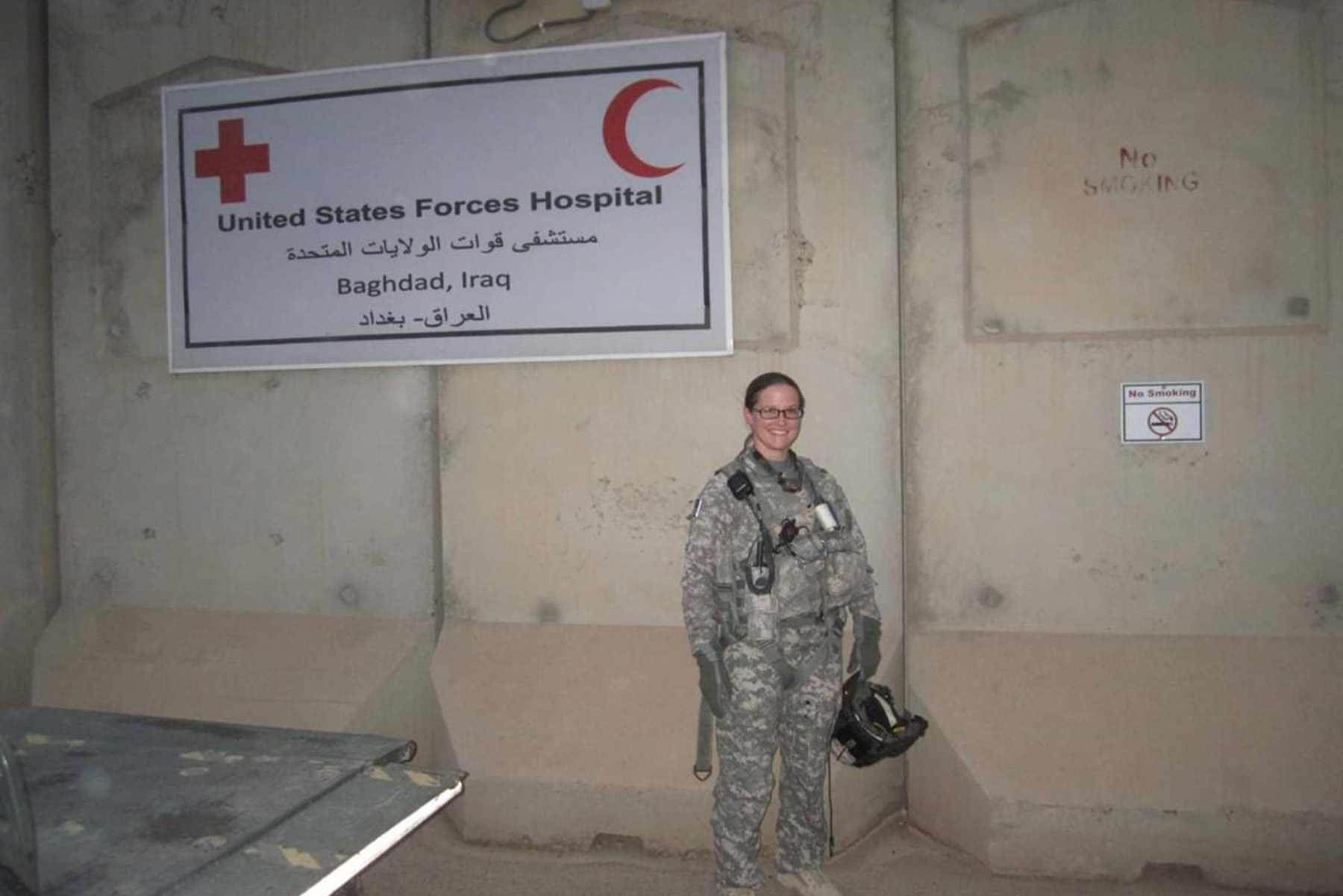
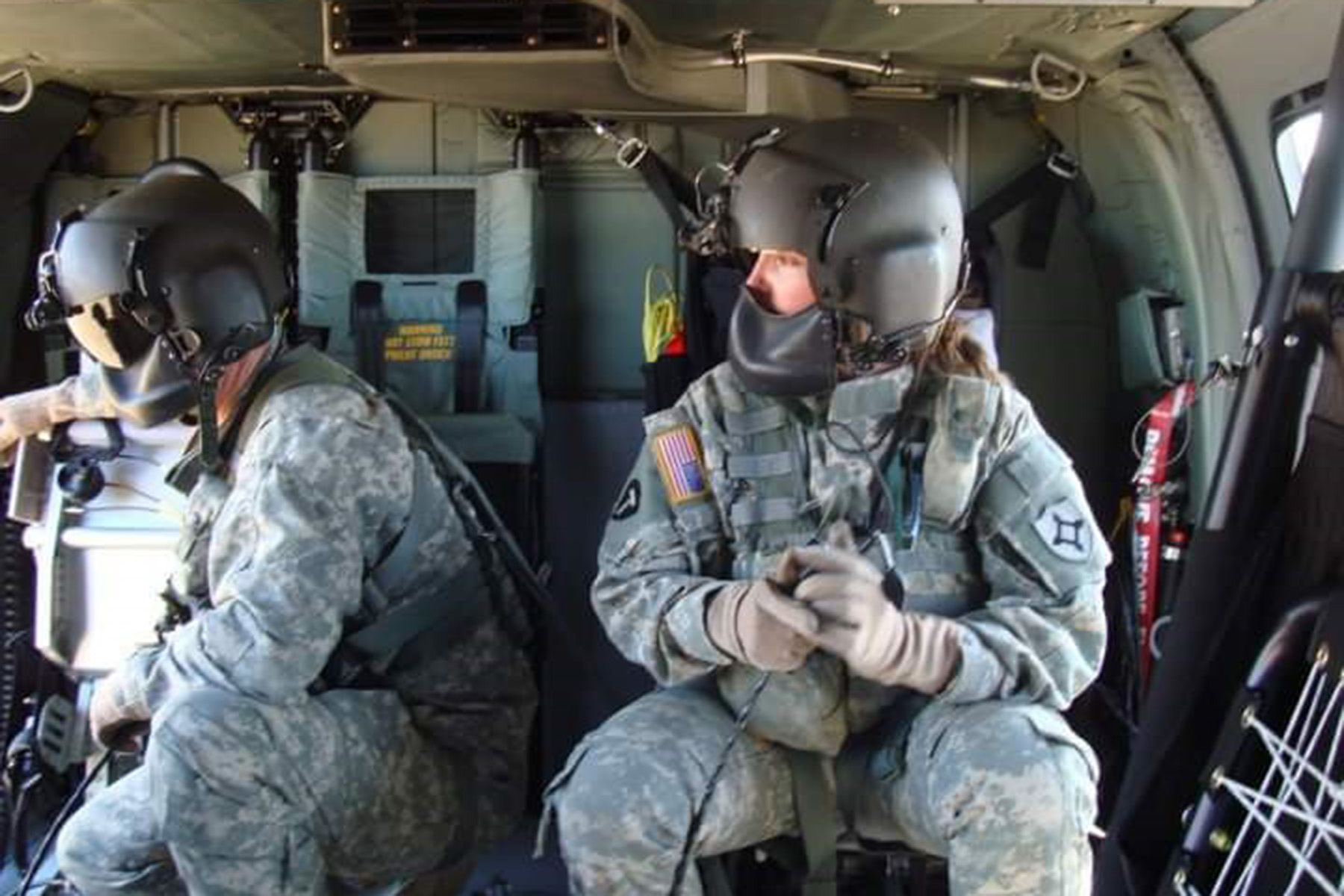
Allison Justice is a doctoral student in the Florida State University Anne Spencer Daves College of Education, Health, and Human Sciences and an assistant professor in the FSU School of Physician Assistant Practice whose career is built on a foundation of service to others. Long before guiding future clinicians or pursuing her doctorate at FSU, Justice served her country as a flight medic with the Florida Army National Guard, completing two deployments to Iraq in OIF 06-08 and OND 2011. Her military background forged a deep resilience and a mission-first mindset she carries into both her doctoral studies and her civilian career.
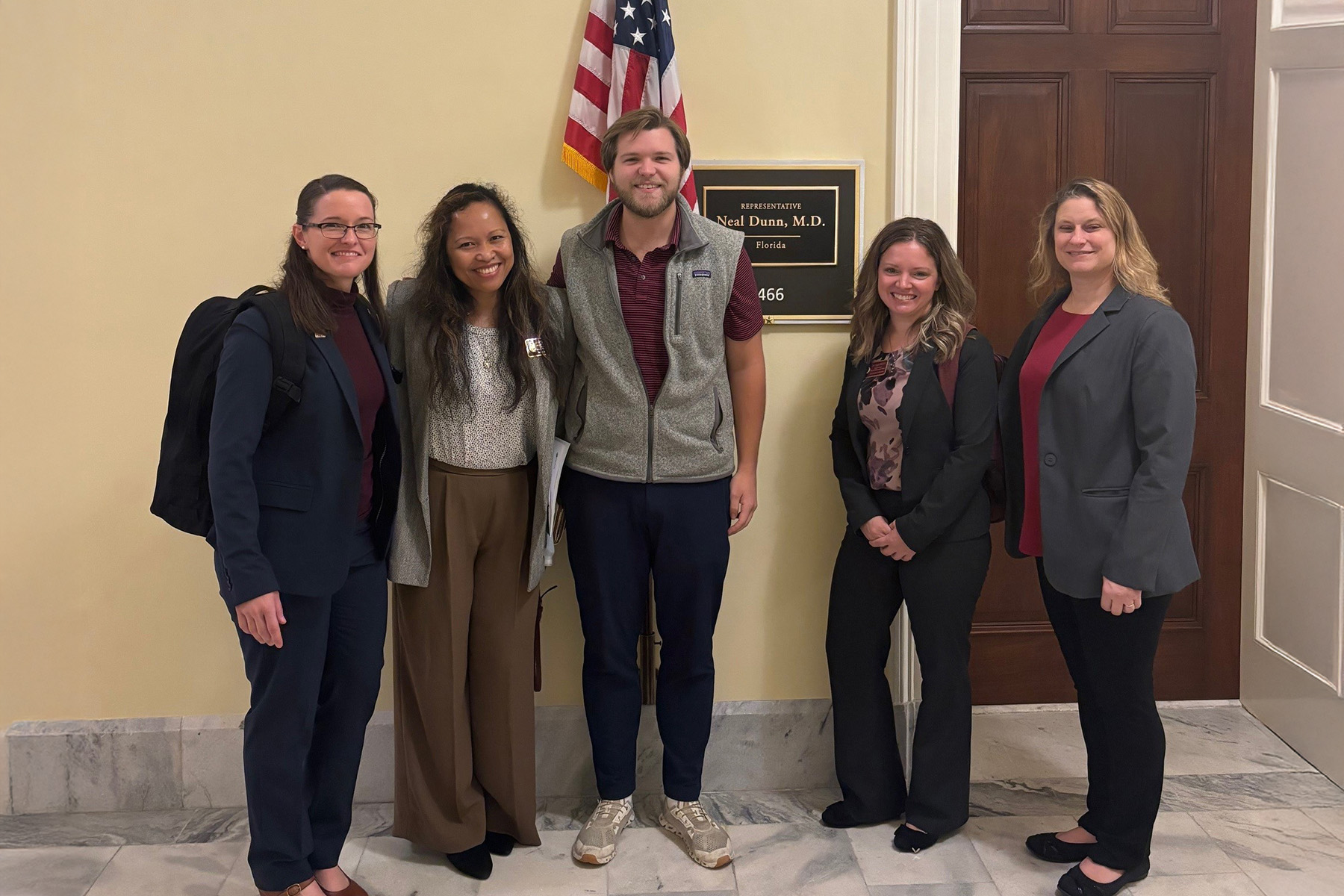
This veteran spirit anchors her roles in education, clinical practice and advocacy. In the classroom, she shapes the next generation of medical professionals as an assistant professor, a responsibility that pairs with her leadership as president-elect of the Florida Academy of PAs. She also serves as the founding faculty adviser for the HOME (Homeless Outreach Medicine and Education) Street Medicine Program, managing the logistics and performing outreach that allow FSU students to support essential healthcare in Tallahassee’s encampments. Across all these responsibilities, she connects tactical military medicine, advanced instructional design and hands-on community advocacy.
What was your journey like from enlisting in the military to joining FSU?
Ever since my days in high school marching band playing the sousaphone, my dream was to attend Florida State University and march as a member of the world-renowned Marching Chiefs. However, life took me on a slightly different path. Following the tragic events of Sept. 11, 2001, a profound shift occurred in how I viewed my future. I felt a deep sense of obligation to serve our country, and I saw the military as a definitive pathway to succeed and build a meaningful trade for the civilian world. Propelled by that desire to give back, I enlisted in the Florida Army National Guard at 18, serving as a combat medic and later transitioning into a high-stakes role as a flight medic.
After completing two deployments to Iraq, earning my bachelor’s degree and practicing as a Physician Assistant (PA) in emergency medicine, I began crossing paths with several FSU PA and medical students. Their interprofessional attitudes, clinical skills and dedication truly stood out to me. I knew then that I wanted to be part of the culture that shaped them. I accepted an interview with the College of Medicine, joined the faculty as an assistant professor in the School of Physician Assistant Practice in January 2022, and subsequently enrolled as a doctoral candidate to pursue my Ed.D. Coming to FSU truly felt like coming home, because the grit and accountability I forged as a military flight medic gave me the exact foundation I needed to shape the next generation of medical professionals.
How did your military experience prepare you for your dual roles at FSU?
Operating as a flight medic on a medevac unit flying directly into a point of injury teaches you a lot about focus. When you are taking active fire, you cannot afford to look at the compounding risks around you because you simply have to execute the mission. Throughout my military career, I experienced my fair share of failures and closed doors, but those high-stakes moments ultimately taught me how to navigate setbacks, pivot and work tirelessly to reach the next level. That foundational mindset gave me the confidence required to pursue a doctorate at my dream institution and successfully balance the intense workload that comes with being a full-time faculty member and a doctoral student.
I quickly realized that I am constantly learning from my students whenever I stand at the front of the classroom. In professional medical education, you cannot simply “fake it until you make it.” Preparing rigorous course material forces me to look inward, evaluate my own clinical understanding and continually refine my teaching methods. On the flip side, when I began my Doctor of Education program in instructional systems and learning technologies, it had been eight years since I last sat on the student side of a desk. Immersing myself back into demanding coursework instantly made me more sympathetic to the immense cognitive load our PA students experience daily. Studying educational psychology has lit up entirely new areas of my brain, enhanced my communication skills, and significantly improved both my classroom instruction and my active clinical practice.
How has the FSU Student Veterans Center impacted your experience at FSU?
When I first came to FSU as an older student, I worried I wouldn’t relate to anyone, but attending the Veterans Alliance monthly events completely changed my mind. Even if I were a traditional student, the Student Veterans Center would be my number-one stop because it provides a welcoming space to study, decompress and build community. Now, as a recruitment chair for the PA Program, I brag about the Veterans Alliance all the time, and whenever I meet anyone thinking about the military, I tell them to not think, just do. The benefits are limitless, and knowing FSU provides a true home to rely on is unparalleled.
How do you serve the community and help fellow veterans?
In March 2022, a student approached me about launching a local medical outreach initiative for the unsheltered population, and I eagerly stepped up to serve as the faculty adviser for what is now known as HOME. The program has recently experienced remarkable growth, securing a $2.5 million grant to partner with the family medicine residency program at Tallahassee Memorial HealthCare and allowing medical and PA students to provide critical, trauma-informed care directly in the field. Through this outreach, we frequently serve local homeless veterans, and our shared military history allows us to form an immediate, trusted bond. I firmly believe that concluding a formal military contract does not mean the obligation to serve the community has ended, so we leverage that veteran camaraderie to build trust, deliver medical care and empower individuals to take active ownership of their health and their futures.
What are your plans after you complete your doctoral degree?
Earning this doctorate is about expanding my leadership capabilities and advancing the physician assistant profession as a whole. While a doctoral degree isn’t required to practice medicine as a PA, it carries immense weight in the academic setting and opens doors to build higher-level programs.
My specific degree focuses heavily on learning systems, performance improvement and program evaluation. For years, I have wanted to build postgraduate residency programs for PAs, especially now that clinical environments are evolving so rapidly. I would love to develop these specialized programs to help our graduates transition smoothly into complex medical fields. Beyond that, I am currently the president-elect of the Florida Academy of PAs, and I plan to use the skills from my doctorate to strengthen our state organization, refine my own teaching craft and dive deeper into impactful academic research. I am definitely not done growing, and I look forward to using this degree to mentor the next generation of medical professionals.
How do you maintain a healthy work-life-school balance?
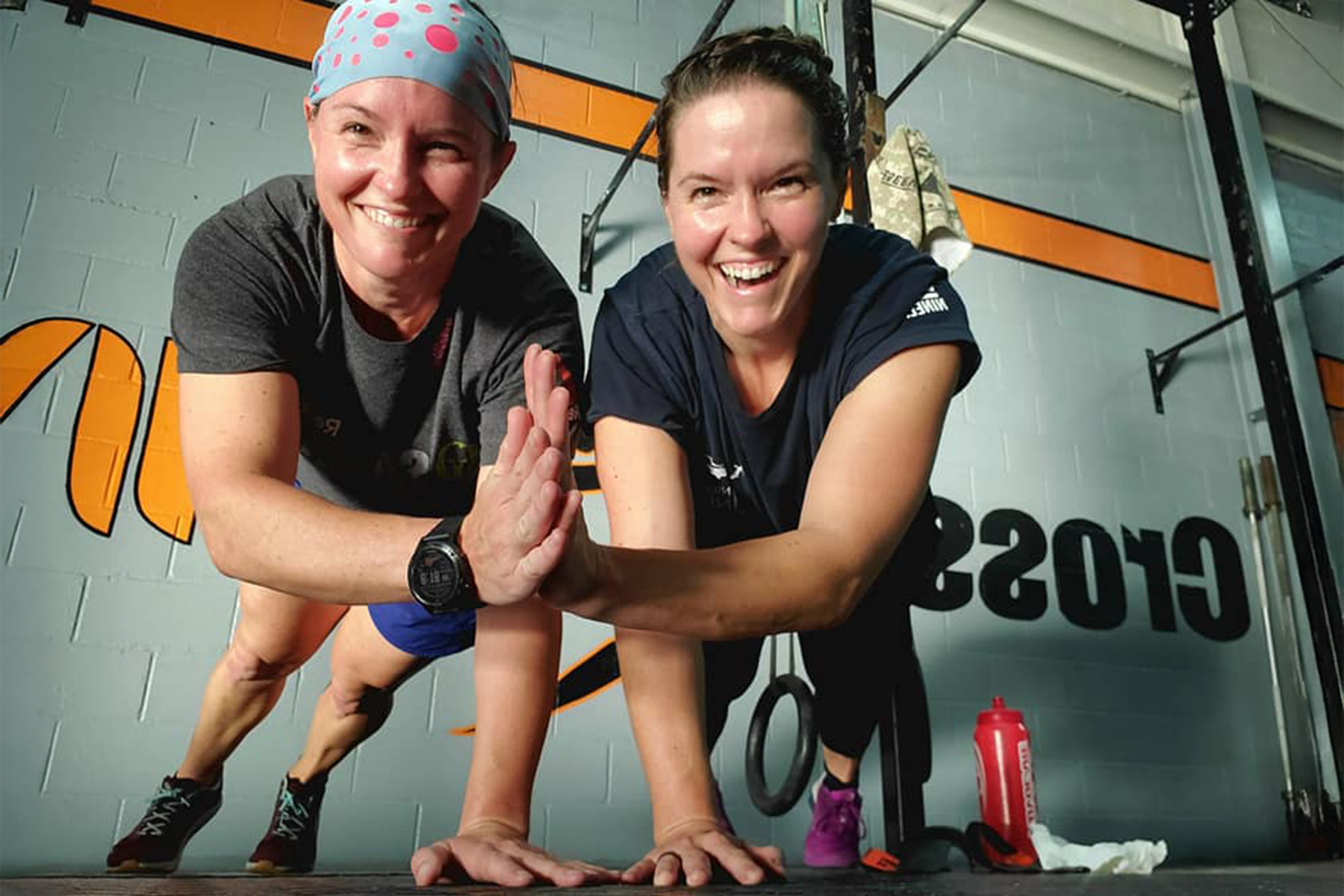
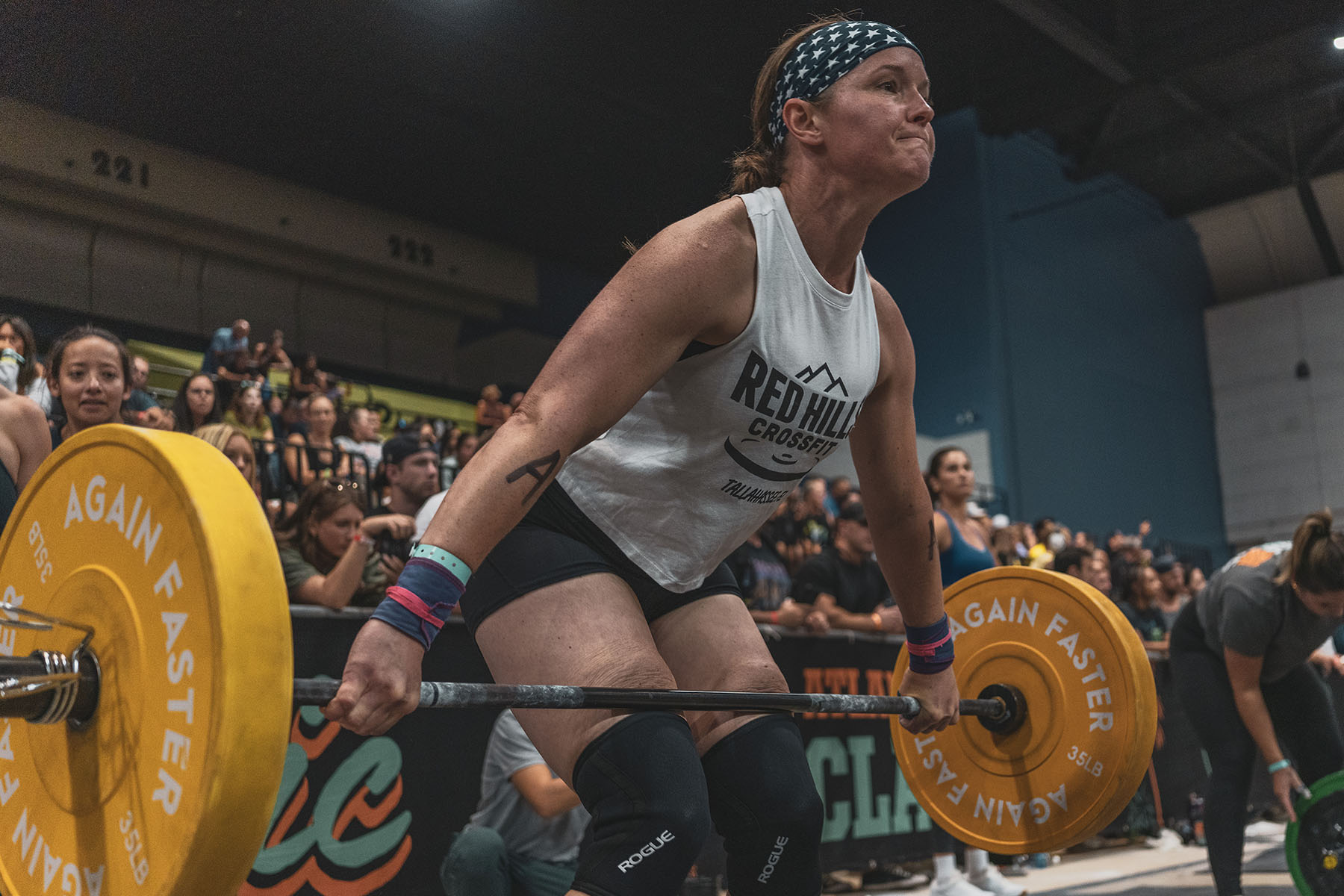
To balance the mental demands of academia, I dedicate my free time to high-endurance physical challenges, specifically CrossFit and rucking—the military-derived fitness discipline of walking with a weighted backpack. My ideal Saturday involves waking up early, rucking six miles to the gym, completing a 60-90-minute CrossFit workout and rucking six miles back.
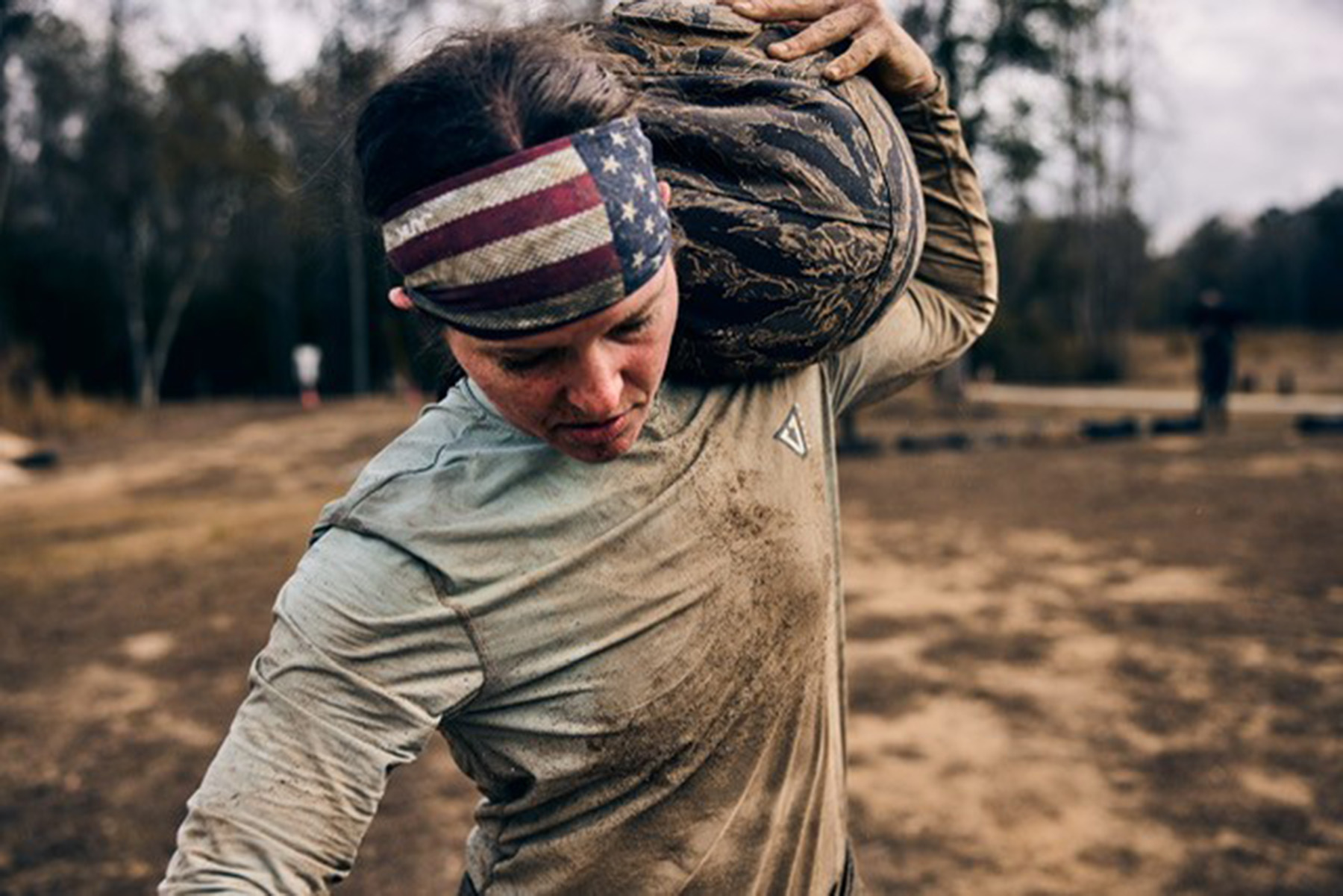
Pushing physical boundaries is a major part of my lifestyle. I recently put that endurance to the test by competing in the GORUCK Team Assessment, a 48-hour endurance competition. My teammate and I pushed through incredible physical limits to secure first place in the female division. Engaging in these endurance events provides the perfect counterweight to my academic responsibilities and keeps me energized.