



The model combines real-time and historical data to predict outbreaks and protect public health
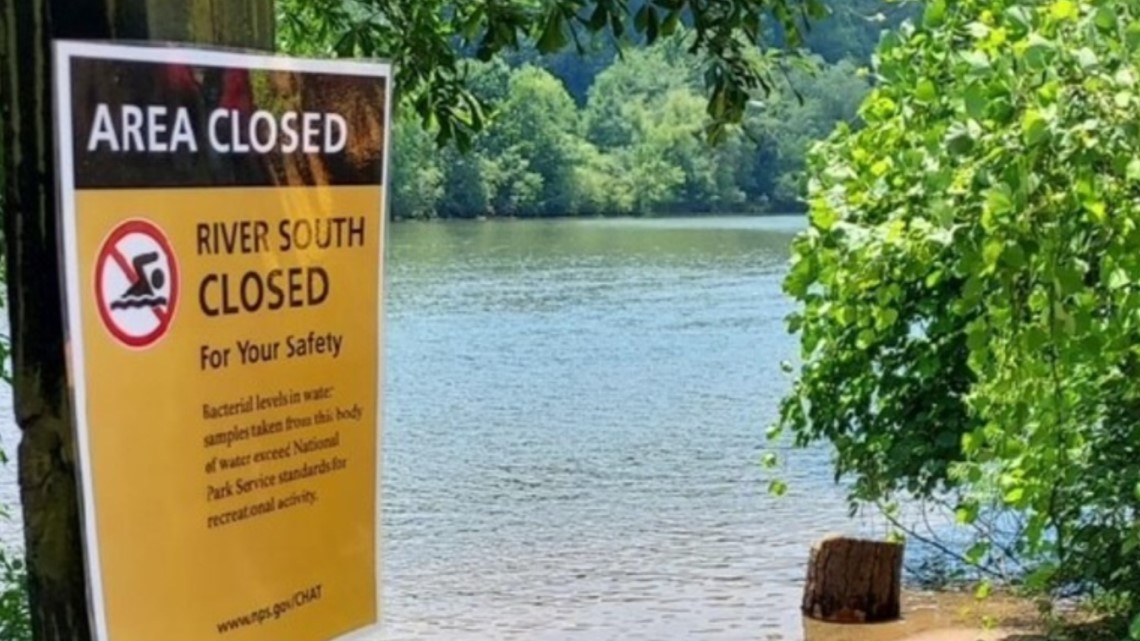
Every summer, beach closures disrupt families, harm local businesses and raise public health alarms. Most of the time, the warning comes after it is already too late.
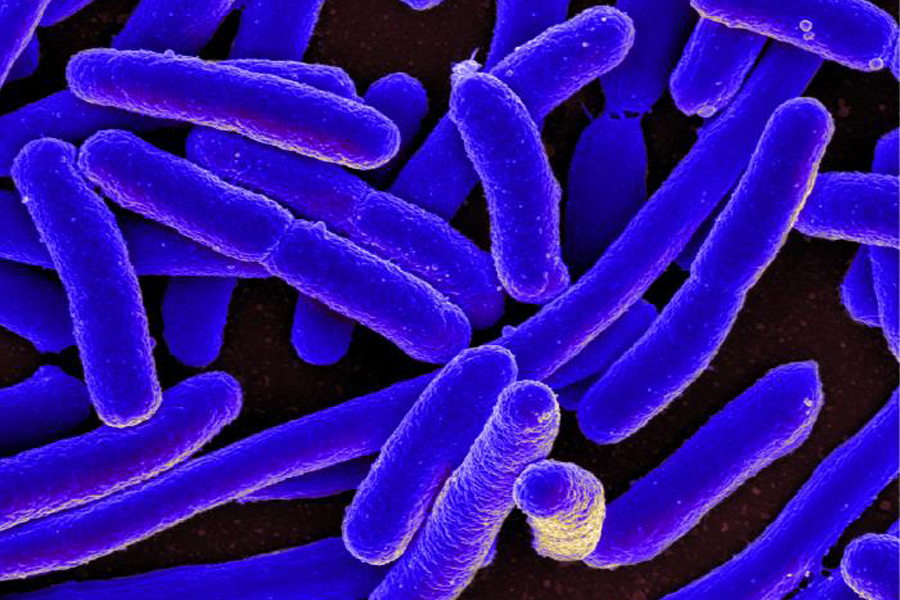
A new artificial intelligence framework developed at the FAMU-FSU College of Engineering aims to change that by alerting water managers to E. coli contamination risk before anyone falls sick.
Researchers led by Assistant Professor Nasrin Alamdari developed an AI-powered predictive modeling framework that uses environmental and hydrometeorological data to provide early warnings of Escherichia coli (E. coli) contamination in recreational waterways, giving communities a window to act before health risks emerge.
Their model, which was published in Water Research, identified unsafe conditions with approximately 85% accuracy, demonstrating its potential to offer earlier warnings before levels reach unsafe thresholds.
“Beach closures often occur because we detect contamination after water conditions have already become unsafe,” said Alamdari, a researcher in the Department of Civil and Environmental Engineering and the Resilient Infrastructure and Disaster Response (RIDER) Center. “Our goal is to move from a reactive approach to a predictive one, leveraging continuous environmental data, including rainfall, river flow, turbidity, temperature and upstream conditions, to estimate E. coli levels in near real time and up to a day in advance.”
How it works
Traditional water quality monitoring relies on manual sampling followed by laboratory analysis, a process that takes 18 to 24 hours to yield results. By the time a beach or river is closed, swimmers may have already been exposed to dangerous levels of contamination.
The framework developed by researchers uses current and historical environmental data to estimate contamination risk without waiting for lab results. Inputs include upstream hydrologic conditions, streamflow rates, rainfall totals, turbidity readings and water temperature. By combining these variables, the model can flag elevated E. coli risk with 24 hours advance warning.
A 2023 sewage spill that occurred after a malfunction at the Big Creek Water Reclamation Facility illustrates exactly the kind of scenario the model is built to address.
“The 2023 Big Creek sewage spill is an example of how a sudden treatment failure can rapidly contaminate downstream recreational waters,” said Ali Salou Moumouni, a graduate researcher on the project. “Our predictive models use current and past environmental and hydrometeorological data to estimate contamination risk before lab results arrive. By factoring in upstream hydrologic conditions, our model provides earlier warnings and more targeted monitoring, improving preparedness during sudden contamination events.”
Why it matters: Human health impacts and economic costs
E. coli contamination in recreational waterways can infect people swimming there, causing gastrointestinal distress, nausea or fatigue. Vulnerable populations, such as the very young or old, are at greater risk.
The consequences of delayed contamination alerts extend beyond public health. When closures happen unexpectedly, hotels, outfitters and water recreation businesses lose revenue with little warning. Municipalities absorb higher costs from emergency public notifications and increased health incident response.
“Delays expose the public to greater health risks and increase medical expenses from waterborne illness,” Alamdari said. “Local economies that depend on recreation and tourism suffer revenue losses when visitors cancel trips or avoid affected areas, while municipalities incur higher operational costs for water testing and emergency response. Repeated advisories can also erode public trust, leading to longer-term declines in visitation and further economic loss.”
Proactive alerts, by contrast, give businesses and government agencies advance notice, reduce unnecessary closures and help communities protect both public health and economic stability. By shifting from reactive to predictive monitoring, communities can better protect public health while reducing unnecessary closures and improving economic resilience.
Risk factors
The study also documents how land use changes intensify contamination. Between 2007 and 2023, urbanization in the study area increased impervious cover from 24% to 28%, altering runoff pathways, leading to more polluted runoff and higher and more variable E. coli levels in streams.
As precipitation patterns grow less predictable, even moderate rainfall events carry elevated contamination risk in urbanized watersheds. The model accounts for rainfall history, streamflow and watershed wetness indicators to improve prediction during those in-between conditions that traditional models often miss.
“Our findings show that every development decision influences water quality and public health, highlighting the need for green infrastructure,” said Imtiaz Syed Usama, a graduate researcher on the team.
Storms compound the problem. E. coli levels can spike within hours of heavy rainfall, but traditional lab testing is too slow to catch those surges before people enter the water.
“Our model flips the script: by combining rainfall, streamflow, turbidity and other hydrometeorological data, it helps predict E. coli risk in near real time and up to a day ahead, including during extreme weather,” said Nasr Azadani Mitra, a graduate researcher at RIDER. “Communities without routine lab testing can still issue early warnings and protect public health.”
This research was supported by grants from Florida State University.