



Florida State University chemists have synthesized new molecules derived from bacteria found in a Pacific Ocean sea sponge, a breakthrough for the future of drug development, particularly for rare forms of cancer.
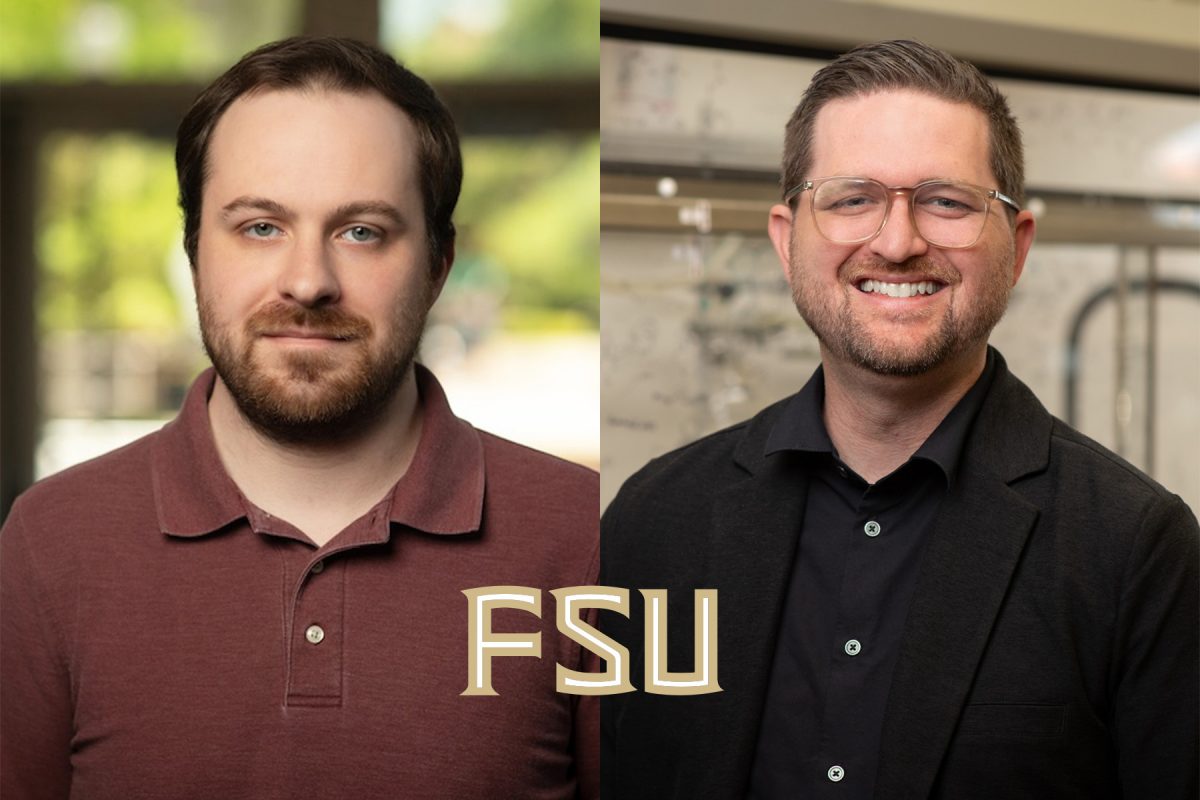
“Around 50 percent of approved drugs are either natural products or derivatives of natural products,” said Zackary Firestone, a fourth-year doctoral student in FSU’s Department of Chemistry and Biochemistry, and the study’s lead author. “Synthetic access to these molecules is important because it allows for easier procurement for biological testing as well as the making of new derivatives.”
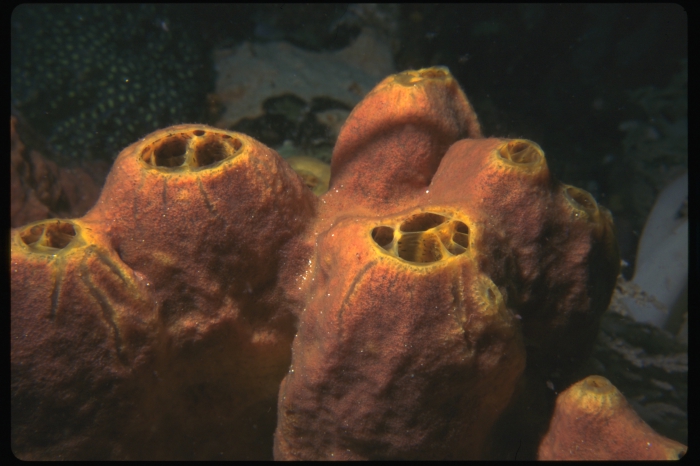
The research team is the first to successfully synthesize two new marine natural products: tetradehydrohalicyclamine B and epi-tetradehydrohalicyclamine B. Both were isolated from bacteria that lives in symbiosis with Acanthostrongylophora ingens, a Pacific-dwelling sea sponge.
Sea sponges and their cohabitant bacteria are an important source of biologically active molecules. The chemists who realize these natural marine products’ potential through chemical synthesis play a foundational role in evaluating their merit as new medicinal leads for various diseases. The findings were published earlier this year in the Journal of the American Chemical Society, ACS’ flagship scholarly journal.
How it works
Discovered in 2018, tetradehydrohalicyclamine B can inhibit proteasomes, large, barrel-shaped protein complexes that perform waste-management activities within cells by disposing of damaged proteins.
Some rare cancers, like multiple myeloma and mantle cell lymphoma, produce an abundance of toxic proteins, meaning the cancer’s survival and spread rates are heavily dependent on the cancer cell’s ability to dispose of this additional waste. Proteasome inhibitors are an important form of cancer therapy: They enable a buildup of toxic proteins, which places cancer cells under so much stress that they die off, slowing or stopping the spread in its tracks.
Epi-tetradehydrohalicyclamine B, discovered in 2019, hasn’t yet been the subject of published biological study. However, due to its unique structure, the molecule has attracted considerable attention among organic synthetic chemists for its pharmaceutical potential.
Both molecules are derived from bacteria growing in Acanthostrongylophora ingens, a sea sponge primarily found off the coast of Indonesia. As the source for a variety of bioactive molecules, the sponge is in high global demand by researchers. These samples are individually collected by trained scuba divers and often frozen immediately to prevent chemical degradation before shipment. Laboratory synthesis of key molecules within the sponge will expand research activity without limits instilled by natural sea sponge populations.
“These complex molecules have shown promise in medicinal applications, but gathering large quantities of them is difficult and expensive,” Firestone said. “We make these molecules from materials you can buy from suppliers, giving researchers easier access to the molecules as well as the ability to modify them to improve their properties.”
Why it matters
Whether as a drug molecule or a natural product, the precise molecular geometry is critical for interacting with the target protein. The first syntheses of tetradehydrohalicyclamine B and epi-tetradehydrohalicyclamine B resulted in two mirror image geometries, only one of which was biologically active. Firestone is now the first to synthesize these molecules with only the desired geometry, which will allow researchers to better evaluate how these substances’ structures interact with endogenous human targets like the proteasome.
“I really enjoy the problem-solving aspect of making molecules,” Firestone said. “In some ways, it feels like a puzzle where you’re trying to use a plethora of available reactions to build a complex molecule in the most efficient way possible.”
A legacy of molecular synthesis
Firestone’s work is part of a broader research program in the Smith Laboratory, an organic synthesis research lab led by Associate Professor of Chemistry and Biochemistry Joel M. Smith.
The lab explores new ways of synthesizing complex molecules, laying the scientific foundation for the creation of novel small-molecule drugs. While the Smith Laboratory centers its efforts on neurological disorders such as migraines, severe depression, and Parkinson’s disease, Firestone’s research is poised to have eventual applications in cancer treatment.
“Zack is a tenacious synthetic chemist,” Smith said. “In addition to intellect, he’s extraordinarily resilient and disciplined when it comes to doing great science. This makes him exceedingly adept at tackling difficult synthetic problems with a thoughtful and diligent approach, setting him up for a very successful future, both at FSU and beyond.”
FSU’s Department of Chemistry and Biochemistry has a legacy of molecular synthesis and drug development. The late chemist and FSU Professor Robert Holton synthesized the groundbreaking cancer drug Taxol, bypassing the limitations involved in extracting the cancer-inhibiting agent paclitaxel from the bark of the Pacific Yew tree, and allowing for more than a million patients to benefit from the medication.
For more information about Firestone’s work and research in the Department of Chemistry and Biochemistry, visit chem.fsu.edu.
FSU researchers Thiago A. Grigolo and Filipe G. Pernichelle were coauthors of this study. This research was supported by the National Institutes of Health and by the National Science Foundation.