



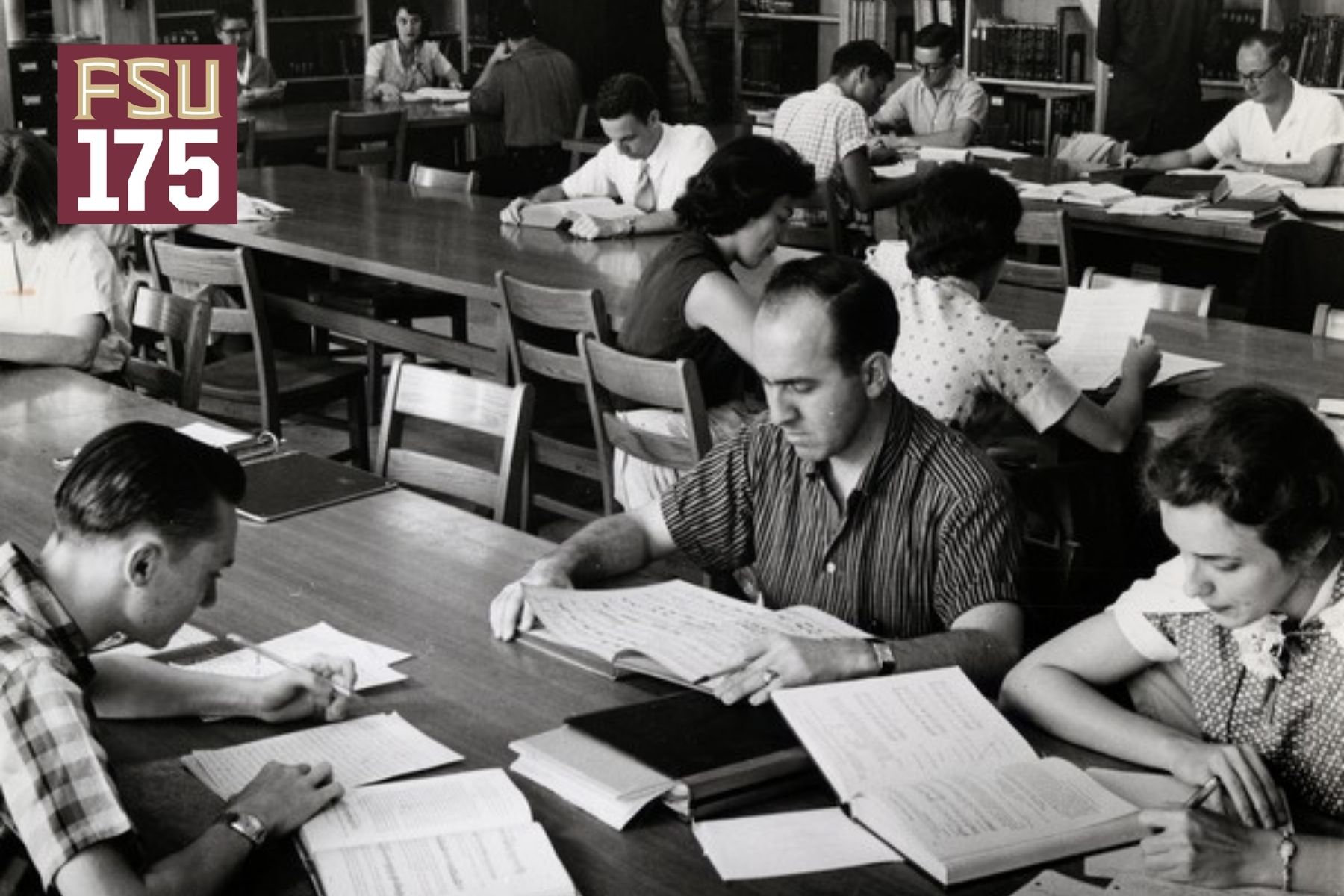
For 175 years, generations of students have come to Florida State University and its predecessor institutions for an education and the opportunities that come with it.
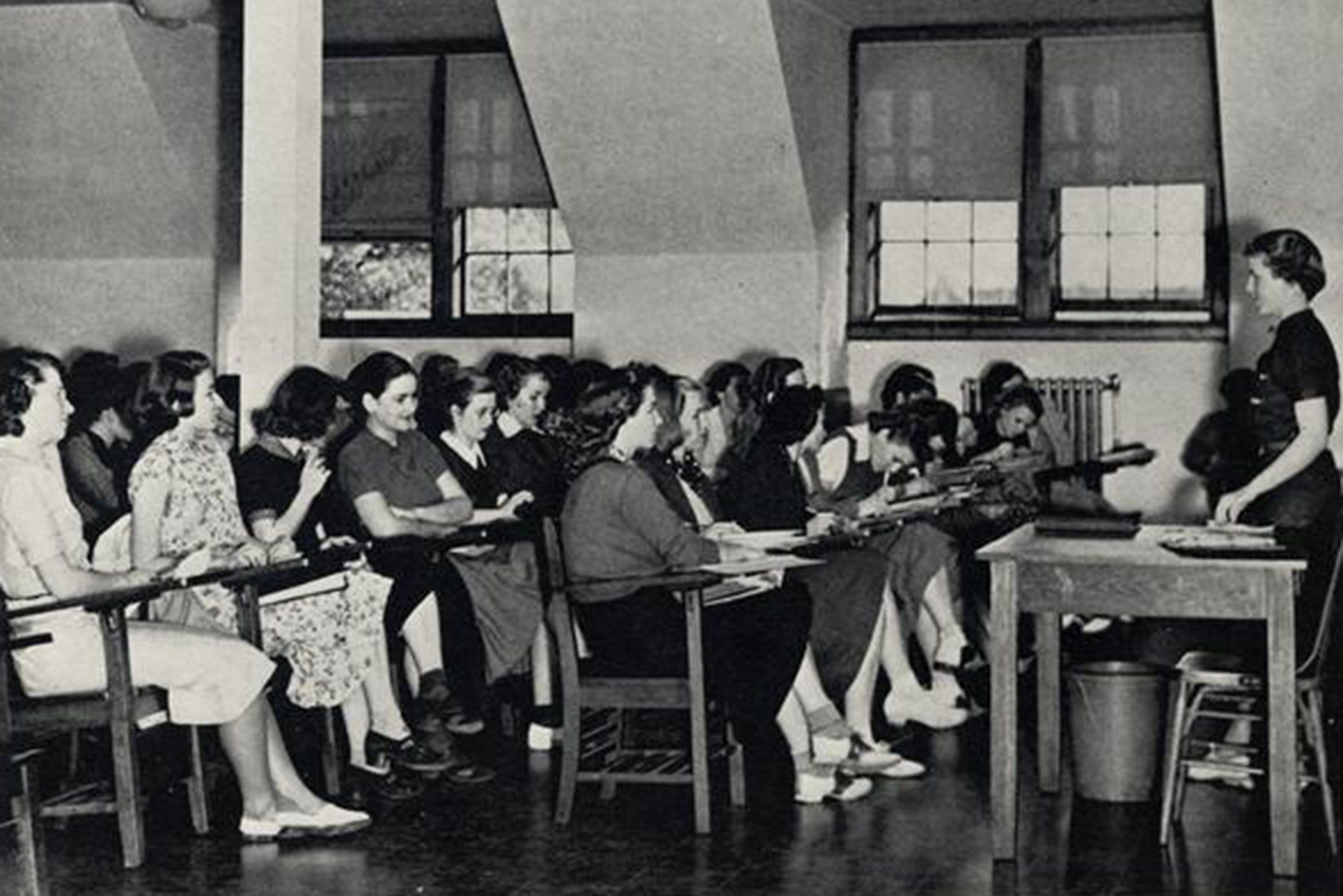
Those generations include the first students to pursue public higher education in Florida, young women attending Florida State College for Women when access to higher education was limited, veterans returning from World War II and first-generation students charting a new path for themselves and their families.
Today, FSU is one of the nation’s top public universities, drawing record numbers of highly accomplished students while continuing a long tradition of expanding opportunity.
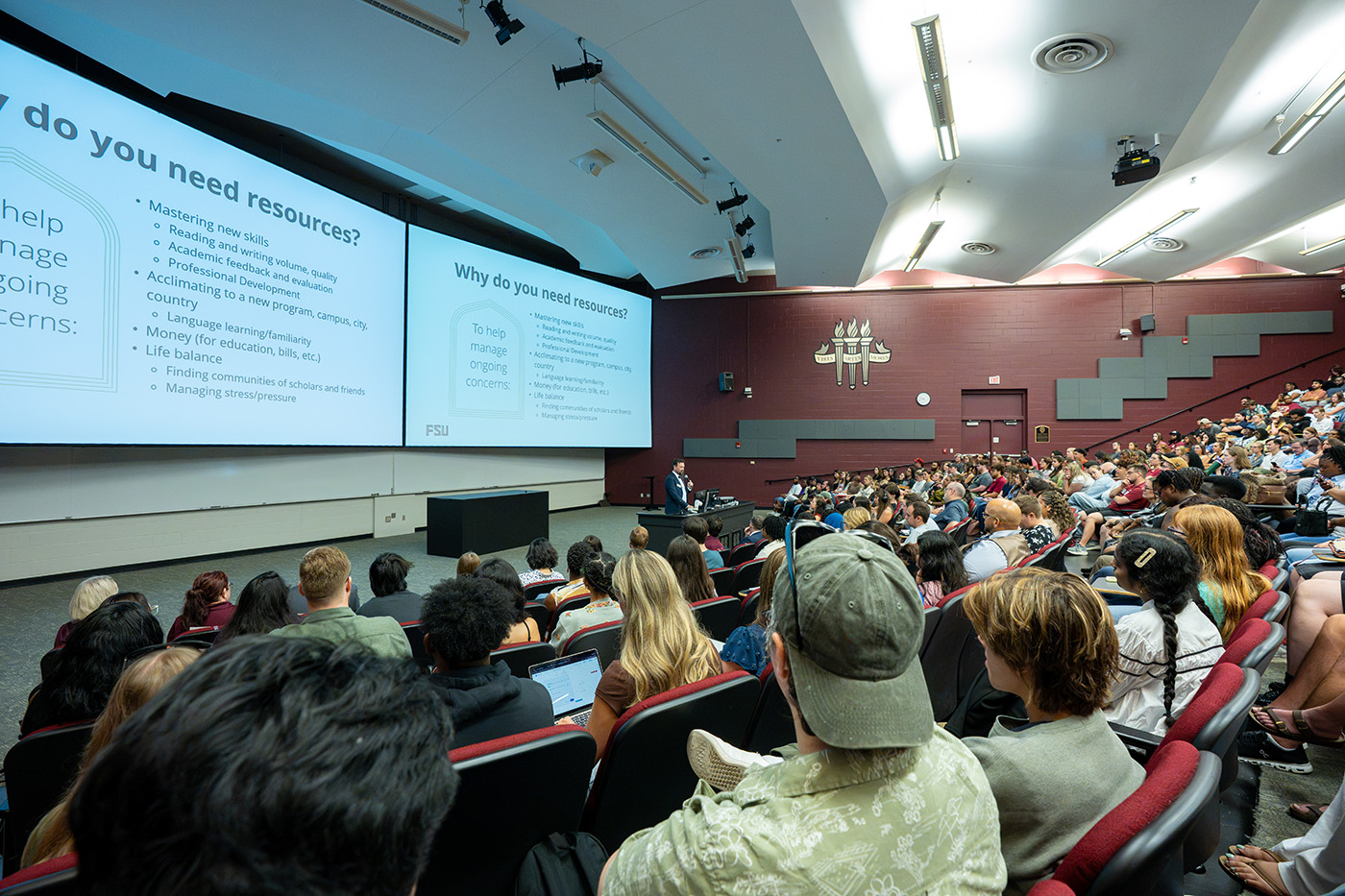
This fall, FSU welcomes a first-year class of nearly 6,000 students. The university received more than 96,000 applications, up 12% from the previous year. Admitted students come from all 50 states, all 67 Florida counties, 55 countries and more than 2,700 U.S. high schools.
They bring strong academic records, including an average 4.5 core GPA, a 1430 SAT score and a 32 ACT score. Ninety-two percent ranked in the top 10% of their high school class.
“For 175 years, Florida State has expanded who has access to higher education while continually raising expectations for what students can achieve,” said Provost and Executive Vice President for Academic Affairs Jim Clark. “Our success today is the result of generations of faculty and staff who believed talented students deserve every opportunity to excel.”
Opening doors for generations
That commitment began long before there was a university called Florida State.
In 1851, the Florida Legislature created the West Florida Seminary, and in 1857, classes began on the hill near where the Westcott Building now stands, the oldest continuous site of higher education in Florida.
As the state grew, the institution evolved. In 1905, it became Florida Female College and four years later was renamed Florida State College for Women, or FSCW. At a time when opportunities for women in higher education were limited, FSCW built a national reputation for strong academics.
Another generation arrived after World War II. Veterans who had served around the world came home and pursued higher education through the GI Bill, preparing for new careers and lives after military service. Their arrival helped drive Florida State’s return to coeducation and its designation as Florida State University in 1947.
In the decades that followed, other students helped open FSU to new generations. Maxwell Courtney became the university’s first Black student to earn a bachelor’s degree in 1965. Today, the Integration Statue near the Student Union honors Courtney and other students who helped open the university’s doors to Black students.
The university’s connection to military students continues today through the FSU Student Veterans Center. The Center for Academic Retention and Enhancement, or CARE, traces its history to the launch of Horizons Unlimited in 1968 and continues a decades-long commitment to first-generation and limited-income students.
Different paths to FSU
First-generation students remain central to the FSU story. Today, nearly one in four Florida State undergraduates is the first in their family to attend college.
FSU supports today’s first-generation students through programs including CARE, which provides advising, mentoring and academic support. Its Summer Bridge Program gives students an early start on their college experience. President Richard McCullough’s and First Lady Jai Vartikar’s Horizons Unlimited Conference brings students, alumni and university leaders together to share their experiences and advice.
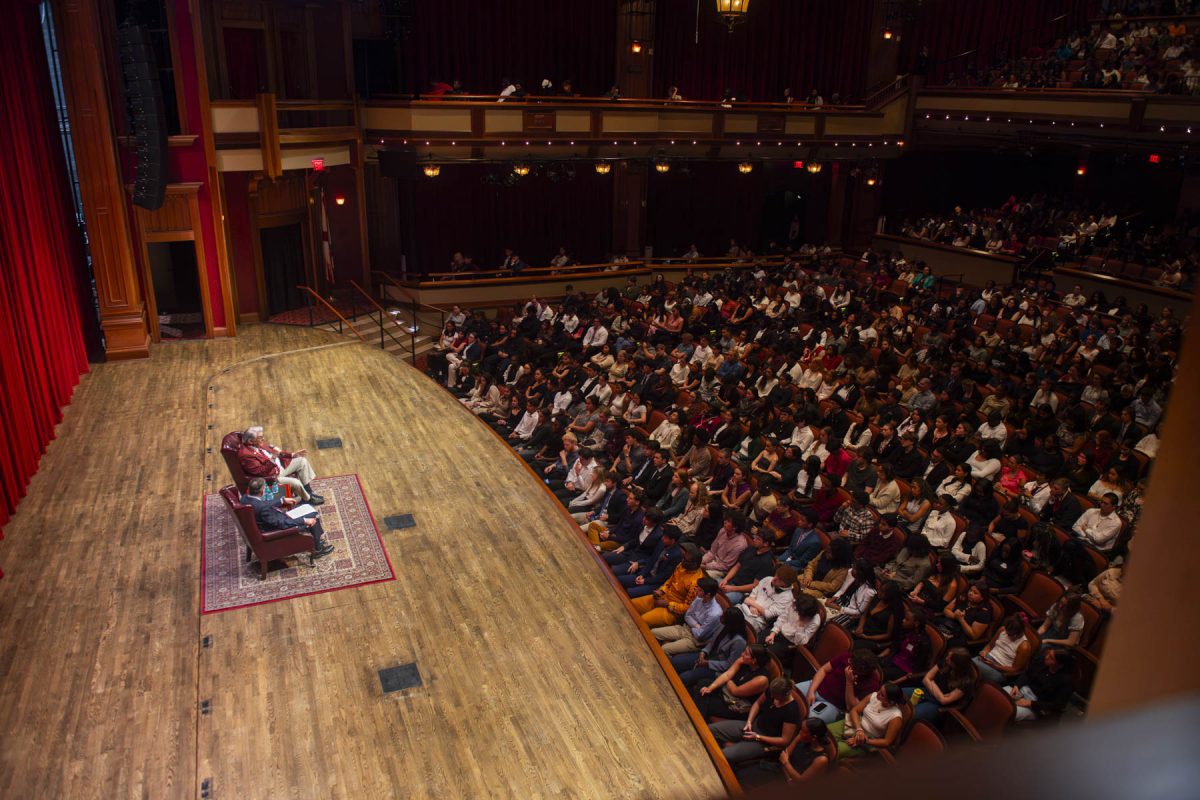
At the 2026 conference, McCullough, Board of Trustees Chairman Peter Collins and Head Football Coach Mike Norvell, all first-generation college graduates, shared their own journeys and the role higher education played in their lives.
Vartikar encouraged students to believe they belonged at FSU and wherever their ambitions might take them.
“I believe in you. Florida State University believes in you,” she said. “But most importantly, you have to believe in yourself.”
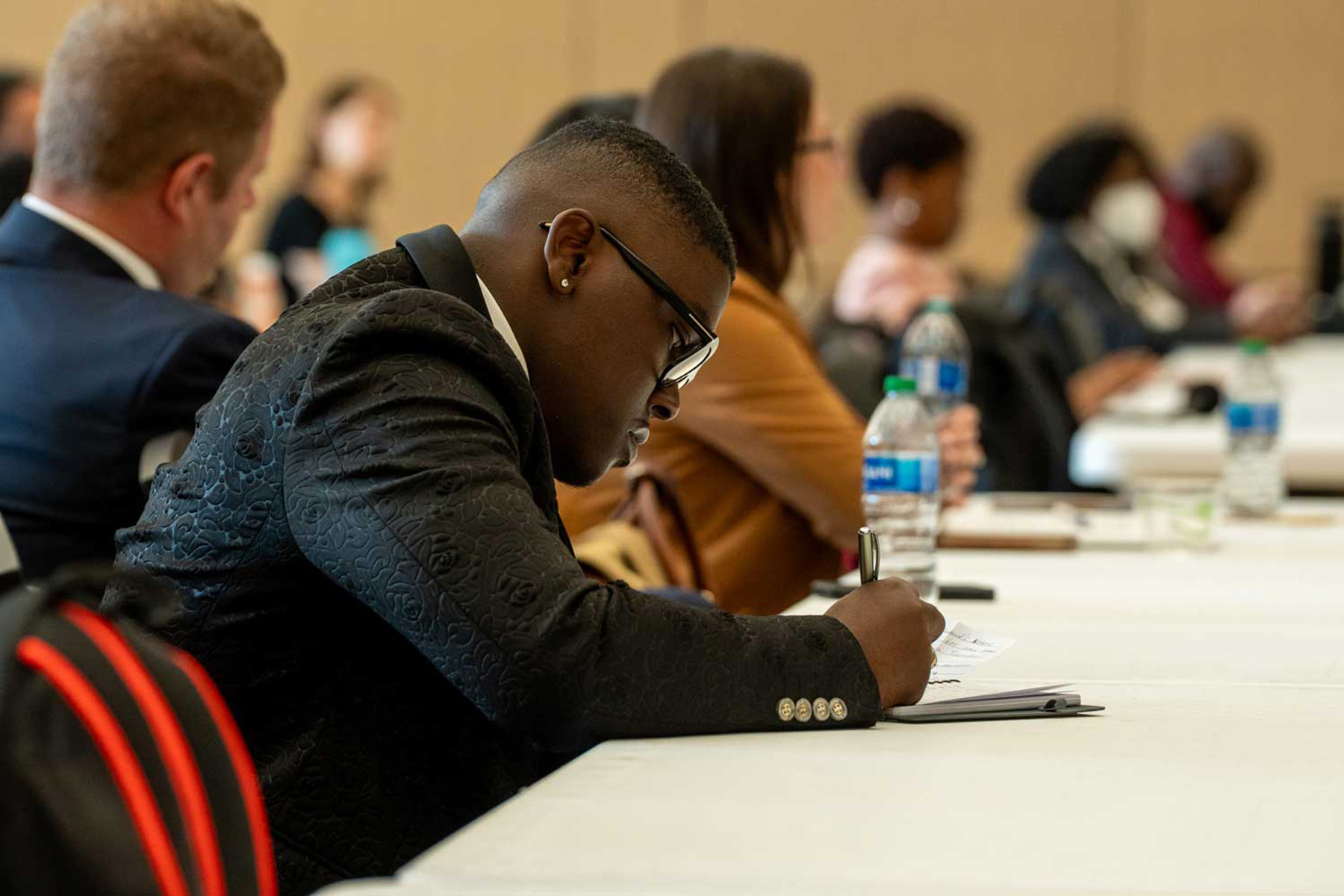
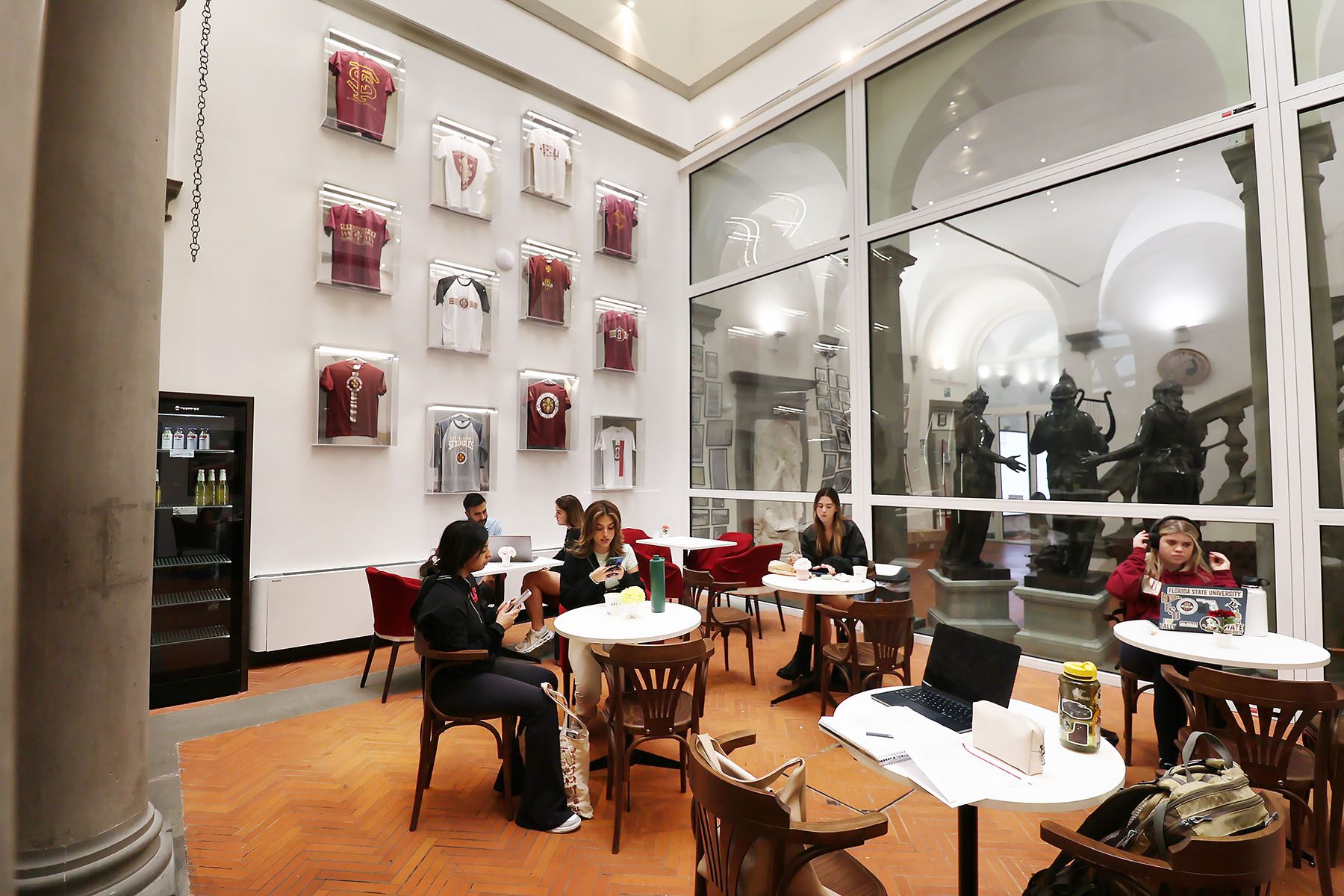
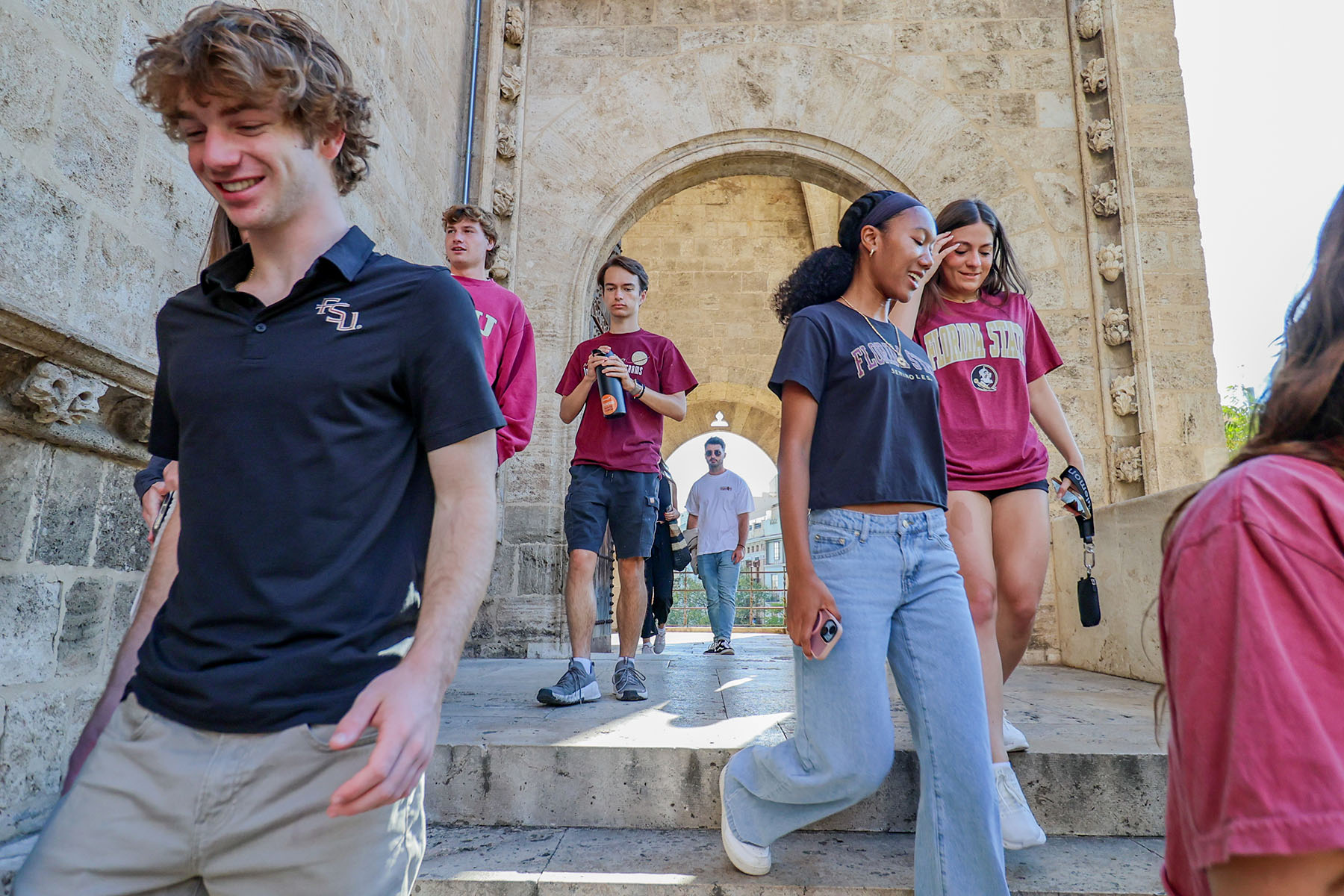
FSU also offers different ways for students to begin their college careers. More than 600 students entering this fall will start at Tallahassee State College through FSU Next, while about 300 will begin at one of FSU’s four international study centers through First Semester Abroad or First Year Abroad.
Transfer students account for about 25% of new undergraduate enrollment, with FSU typically enrolling 2,500 to 3,000 each year. Through Transfer Student Success, the university provides specialized advising, orientation and academic resources, helping produce the highest transfer student graduation rate in the history of Florida’s State University System.
Together, these efforts are part of an approach that has made FSU a national model for student success. Changes in advising, course scheduling and learning analytics helped drive dramatic gains in graduation and retention. In 2021, the Association of Public and Land-Grant Universities awarded FSU its Degree Completion Award, the organization’s top honor for student-success initiatives.
McCullough built on that work in 2025 by creating the position of vice president for Student Academic Success and appointing Joe O’Shea to lead FSU’s universitywide student success efforts.
“Student success happens when an entire university is committed to helping every student reach their highest potential,” O’Shea said. “That commitment has defined Florida State for generations, and it continues to shape how we recruit, teach, advise and support our students every day.”
Making the most of an FSU education
FSU’s commitment to student success also means giving students opportunities to challenge themselves and make the most of their years at the university.
Under McCullough, FSU has significantly expanded both its Honors and Presidential Scholars programs. The Honors Program, founded in 1932, has grown from about 400 students per class before 2023 to more than 800, giving more high-achieving students access to small classes, faculty mentorship and research opportunities.
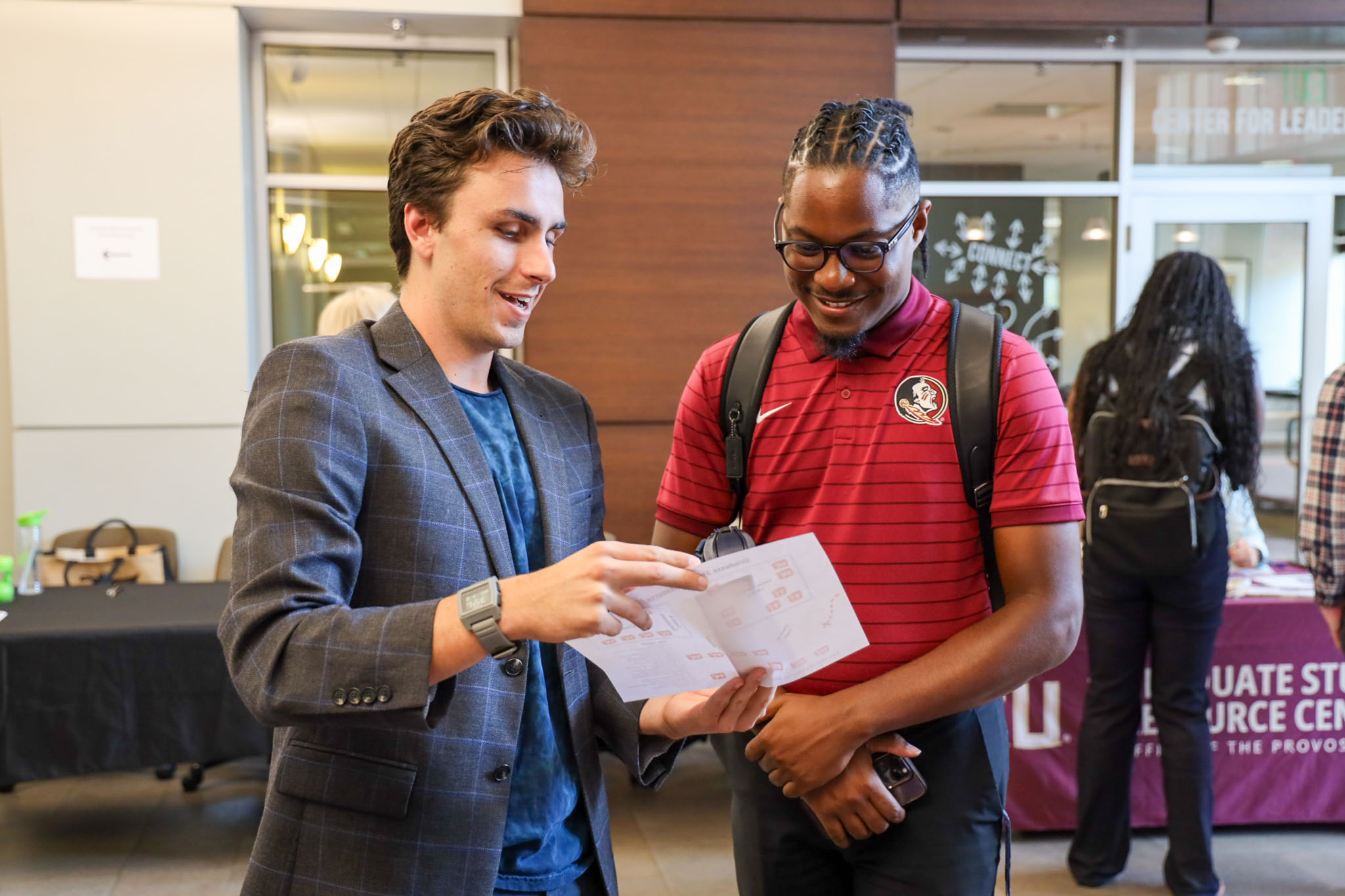
FSU also doubled the size of the Presidential Scholars Program, its premier undergraduate merit scholarship, to 60 students per class. Scholars receive four years of academic and leadership programming along with support for experiences such as international study, internships, research and creative projects.
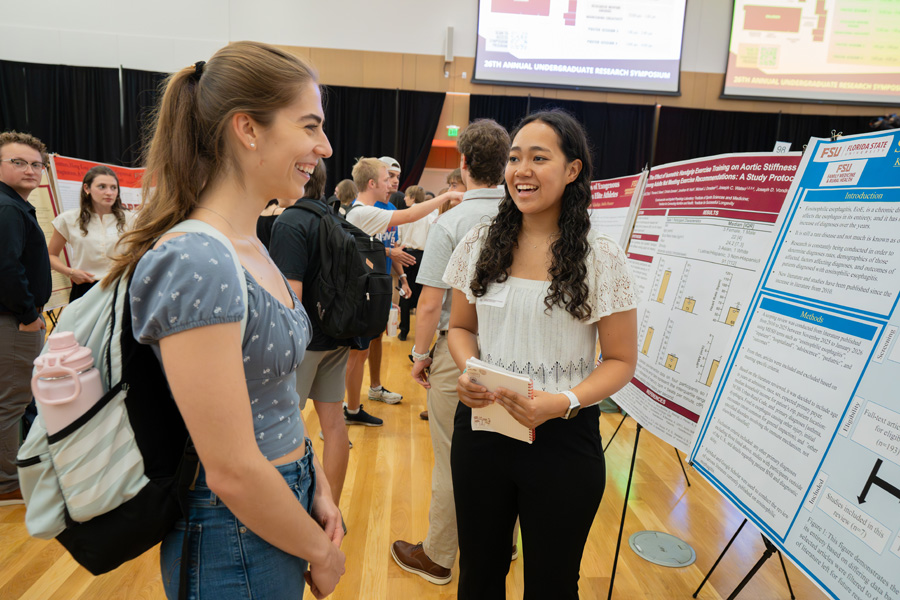
Undergraduate research opportunities extend across the university. Undergraduate students work alongside faculty mentors in disciplines ranging from science and engineering to the humanities and arts, and more than 800 present their work at the annual Undergraduate Research Symposium.
The Office of National Fellowships helps students compete for Rhodes, Truman, Goldwater and Fulbright scholarships and other prestigious awards. Five Florida State students have been named Rhodes Scholars: Frederick William Buchholtz in 1905, Caroline Alexander in 1976, Garrett Johnson in 2006, O’Shea in 2008 and Myron Rolle in 2009.
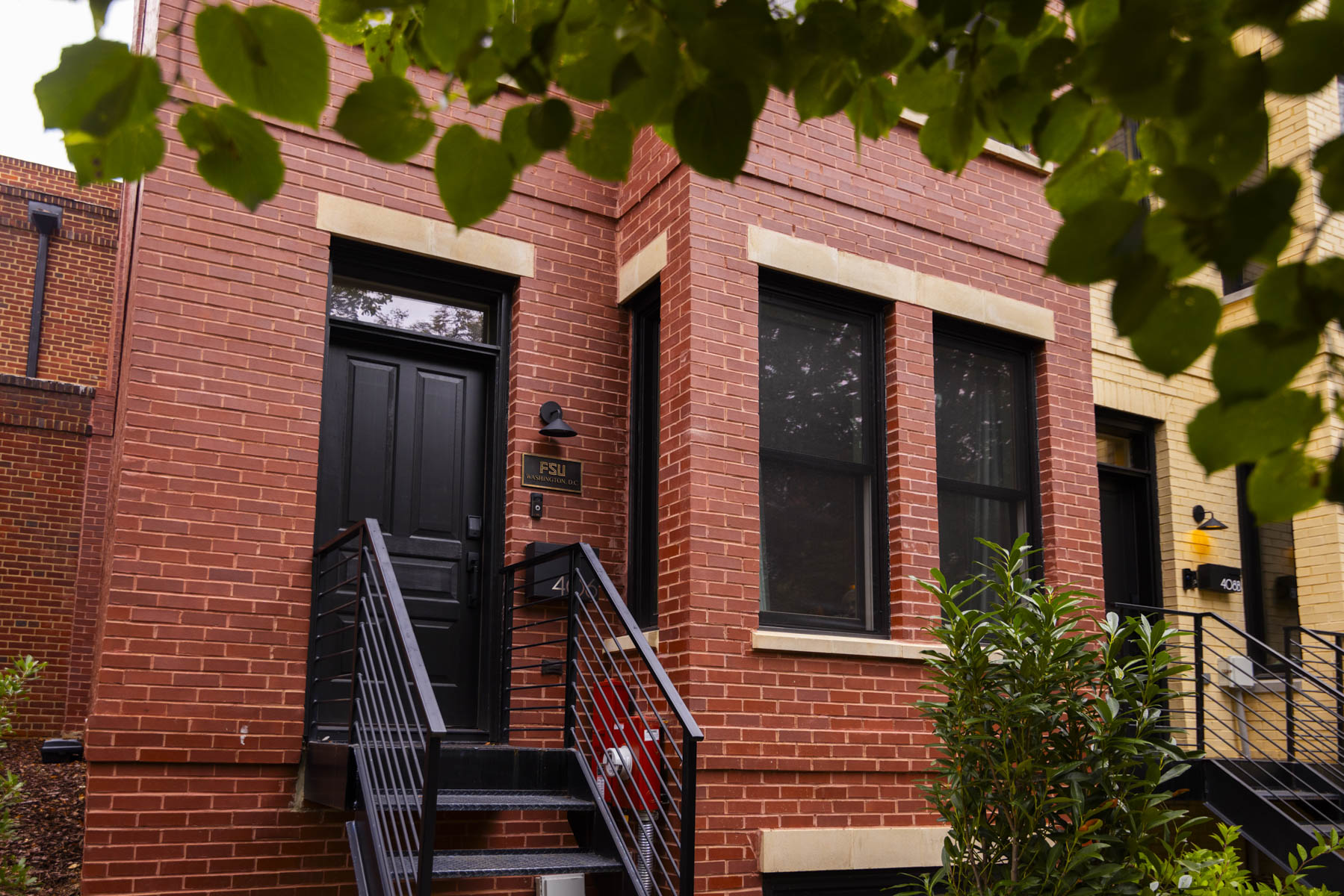
An FSU education also can extend far beyond Tallahassee. Beyond the international programs, students can live, study and intern in the nation’s capital through the FSU D.C. Study Away Program.
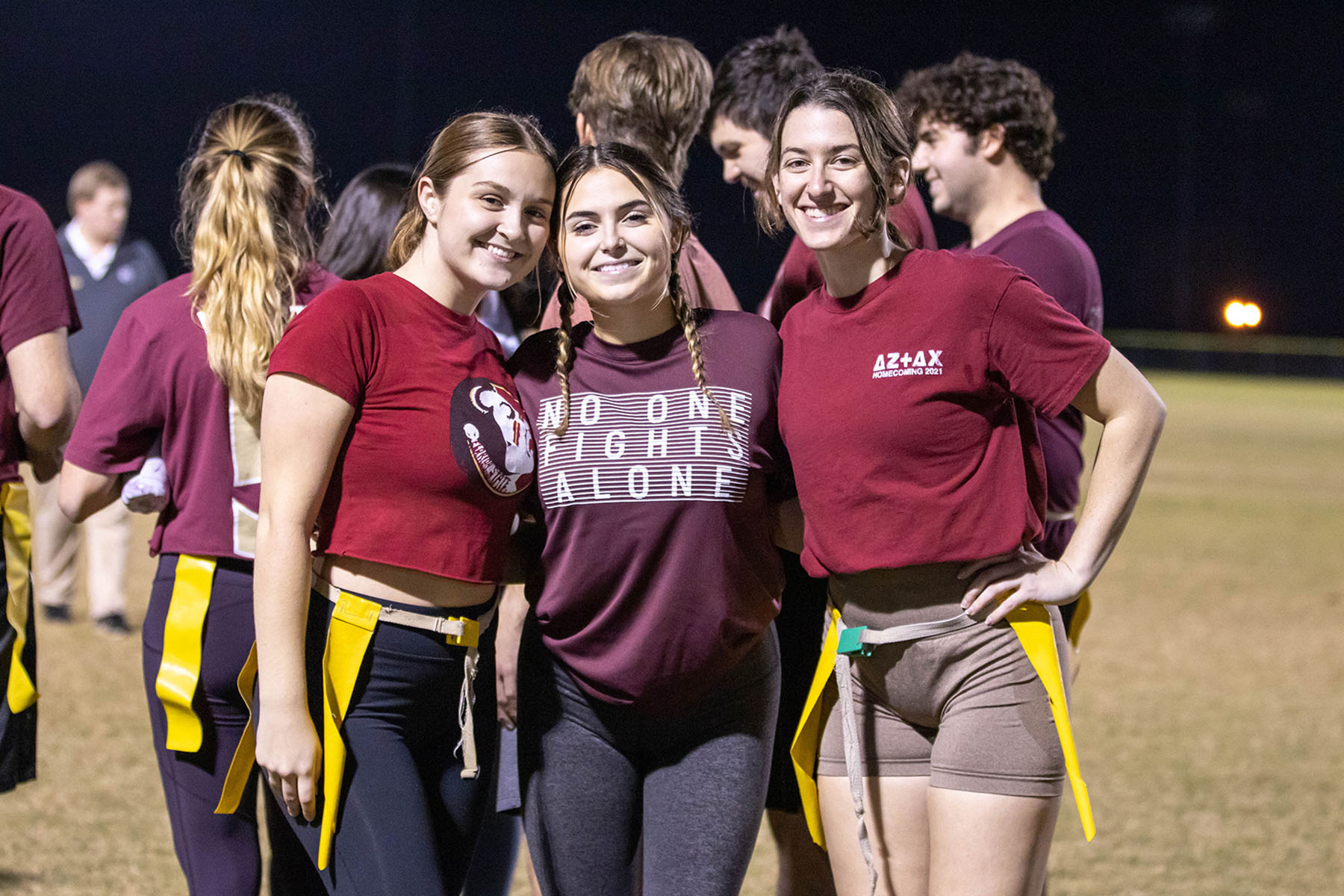
On campus, the Academic Center for Excellence provides free tutoring and academic support, while the FSU Career Center connects students with internships and career preparation. Campus Recreation, hundreds of student organizations and other programs offer opportunities to stay healthy, get involved and develop leadership skills.
Changing what students can study
FSU has also continued to change what students can study as the needs of students and the workforce evolve.
The institution that began as a small seminary now enrolls more than 46,000 students across 17 colleges and schools. On the Tallahassee campus, undergraduates can choose from nearly 100 bachelor’s degree programs and more than 250 majors and tracks.
Business, engineering, biology, exploratory studies and political science are the five most popular areas of study among this year’s admitted students. But those choices continue to expand.
Recent additions include the College of Nursing’s online master’s concentration in AI Applications in Healthcare, a bachelor’s degree in Interdisciplinary Design through the new School of Design and a Bachelor of Arts in Music Business. FSU also offers an Integrated Studies degree that allows students to build an interdisciplinary course of study around their academic and career goals.
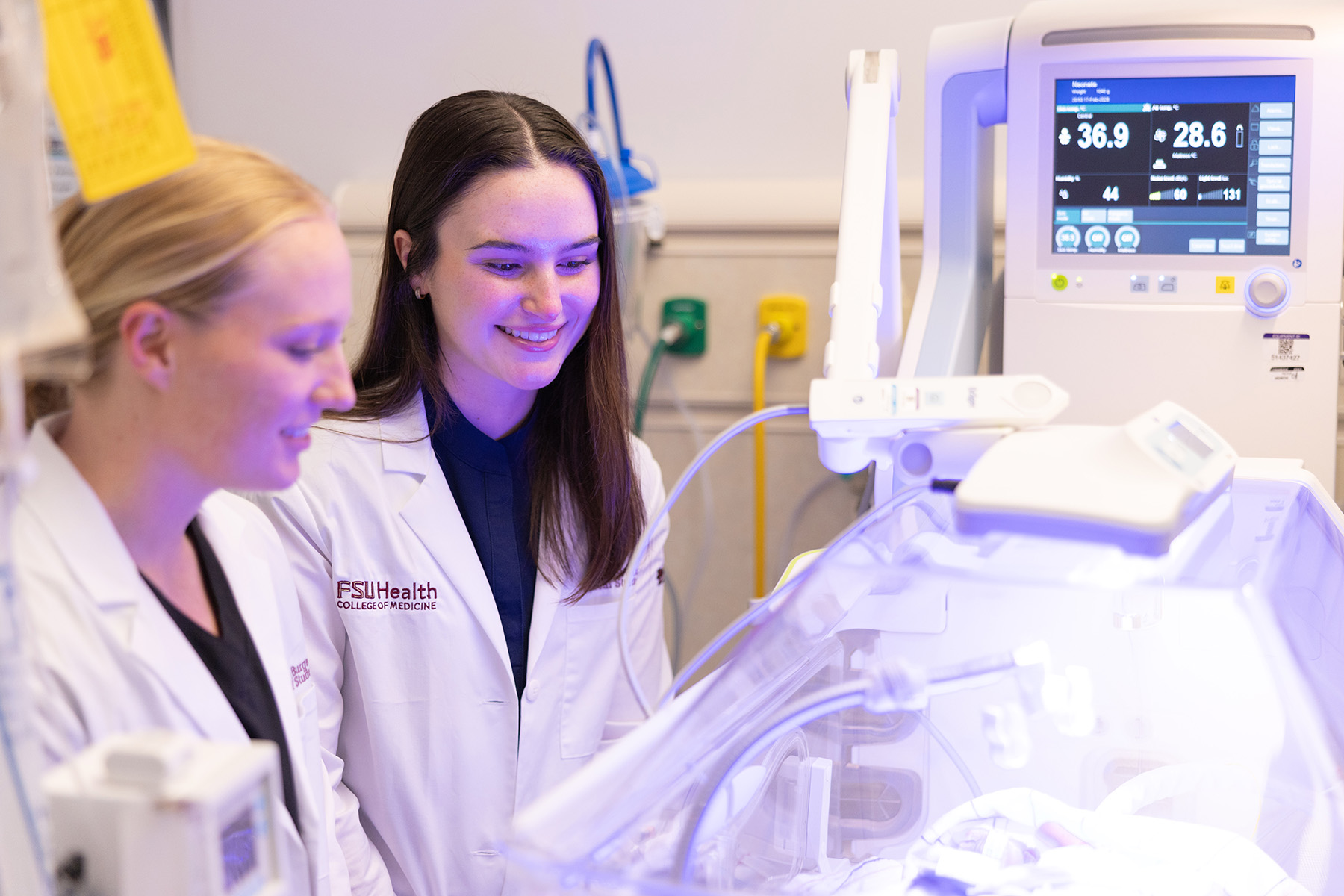
Students learn at a university where research is expanding, too. From the National High Magnetic Field Laboratory and Florida Center for Reading Research to growing investments in quantum science and FSU Health, students have opportunities to learn from faculty tackling major challenges in science, education, technology and healthcare.
The results
The results can be seen in some of the strongest student outcomes in the country.
FSU has a 97% first-year retention rate, placing it among the top four universities in the nation; a 78% four-year graduation rate; and an 86% six-year graduation rate.
Those outcomes have helped propel FSU to its highest national ranking ever. U.S. News & World Report ranks Florida State No. 21 among public universities and No. 51 overall, while Niche ranks FSU No. 11 among public universities in the United States.
But numbers and rankings tell only part of the story. Every year, FSU graduates leave campus for careers, graduate and professional schools, military service and communities across Florida and the country.
The institution that began on a Tallahassee hilltop in the 1850s looks very different today. But across 175 years, Florida State has continued to adapt to the needs and ambitions of each new generation, creating opportunities for students and helping them make the most of them.
That may be its most enduring legacy.