



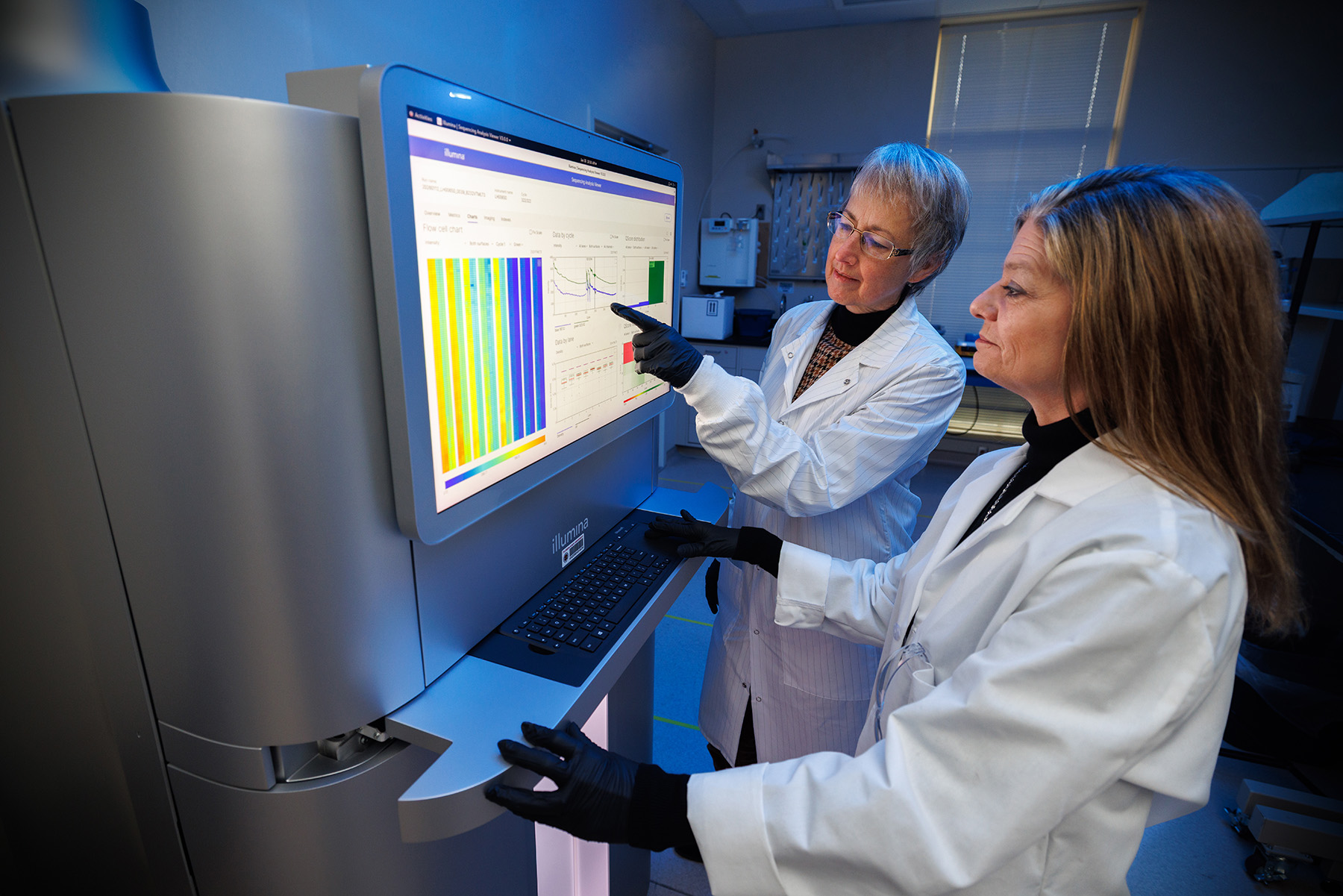
This summer, Florida families will have the opportunity to enroll their newborns in a new genetic screening initiative designed to identify hundreds of rare genetic diseases before symptoms appear.
At the center of the effort is the Florida Institute for Pediatric Rare Diseases (Florida IPRD) at Florida State University, which the Sunshine Genetics Act designated to lead and coordinate the statewide program.
The program, known as Sunshine Genetics, aims to shorten what rare disease experts call the “diagnostic odyssey” by identifying genetic conditions shortly after birth rather than years later, when symptoms may already have caused irreversible damage.
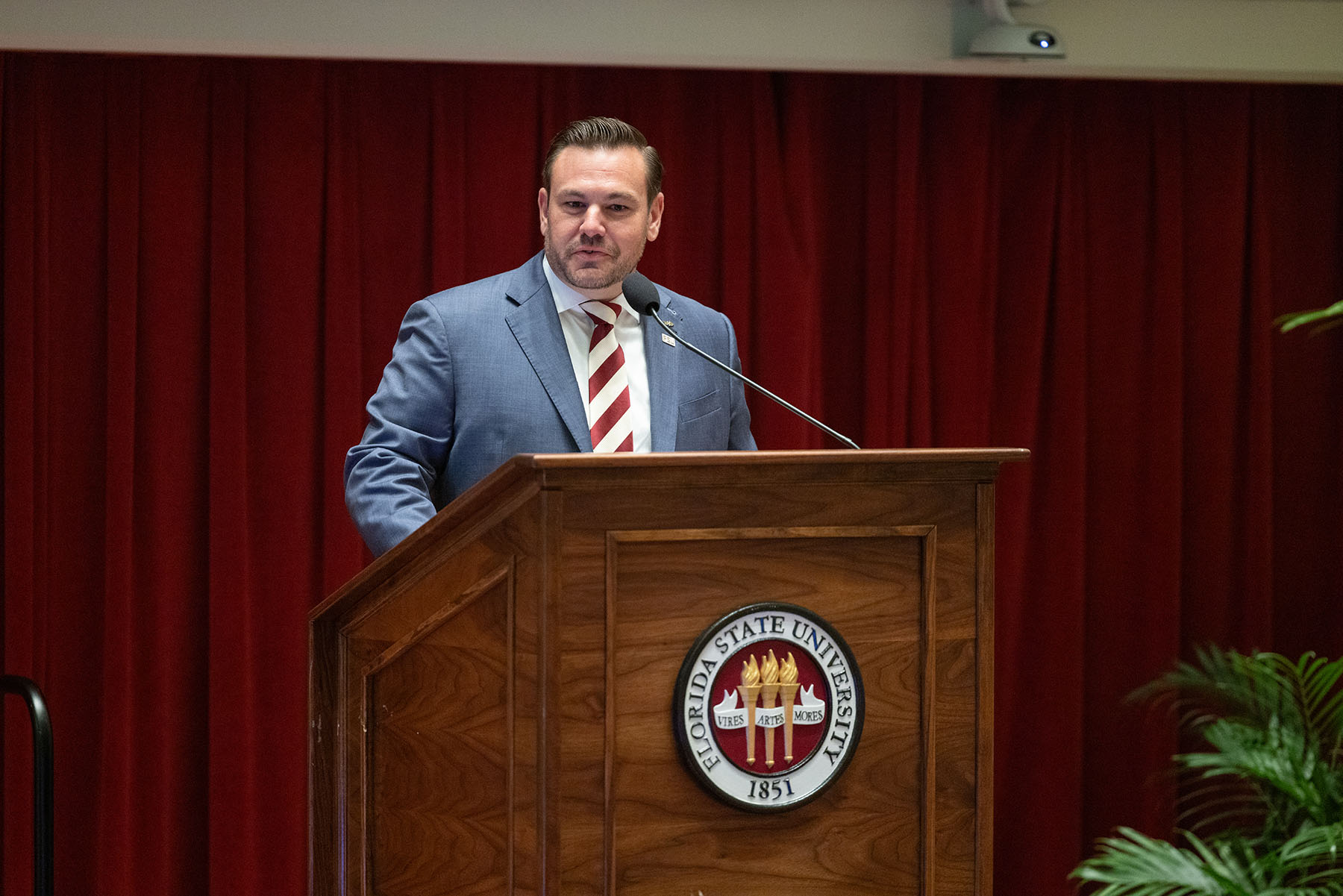
For Rep. Adam Anderson, an FSU alumnus and Republican from Palm Harbor who championed the legislation after losing his son Andrew to Tay-Sachs disease, the goal is simple.
“My hope is that families will get the answers that they need and that babies born today won’t have to live that same nightmare of that diagnostic odyssey that I did and that so many families around the country do every day,” Anderson said.
“FSU had the pioneers. We just had to put them to work.”
— Rep. Adam Anderson, FSU alumnus and sponsor of the Sunshine Genetics Act
The Sunshine Genetics Program was established through legislation signed into law in 2025 that created a statewide framework for genomic newborn screening and designated Florida IPRD in FSU’s College of Medicine as the lead institution responsible for administering the pilot program.
“Florida State University is bringing together world-class researchers, clinicians and partners from across the state to help give children with rare genetic diseases the best possible start in life,” FSU President Richard McCullough said. “By leading the Sunshine Genetics Pilot Program, FSU is helping transform groundbreaking research into earlier diagnoses, more timely care and greater hope for families across Florida.”
Anderson said FSU’s expertise made it the natural home for the institute.
“We want Florida State and the Florida Institute for Pediatric Rare Diseases to be the destination for this type of work and this type of medical care,” he said. “The sophistication was already there, the experts were there, the recruiting was going really well to bring in the right professionals that had the ability and the skill set to lead a program like this that had really never been done in the country before.
“FSU had the pioneers. We just had to put them to work.”
Building a statewide program
Florida IPRD serves as the operational and scientific hub for the initiative. The institute oversees program administration, coordinates participating clinical sites, chairs the Sunshine Genetics Consortium and works with healthcare systems, industry partners and researchers across the state.
Dr. Pradeep Bhide, the Jim and Betty Ann Rodgers Eminent Scholar Chair of Developmental Neuroscience, director of the Florida Institute for Pediatric Rare Diseases and director of the Center for Brain Repair, said the institute’s role extends far beyond genetic sequencing.
“The program’s goal is not merely to generate genomic data but to ensure that clinically meaningful information can be translated into informed medical decision making,” Bhide said.
Dr. David H. Ledbetter, senior associate director for precision medicine at Florida IPRD and chair of the Sunshine Genetics Steering Committee, said the pilot was designed with families at its center.
“This is a state-initiated project to determine if genomic newborn sequencing can identify children with treatable rare diseases earlier in life, which could greatly improve their long-term health and well-being,” Ledbetter said. “We have substantial input from parents of children with rare genetic diseases guiding our patient education, consent and clinical follow-up protocols.”
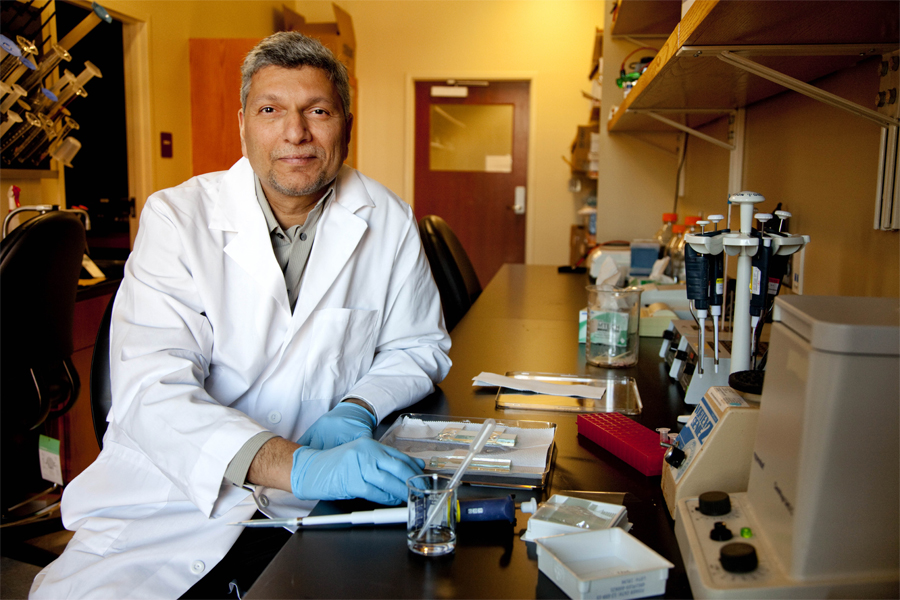
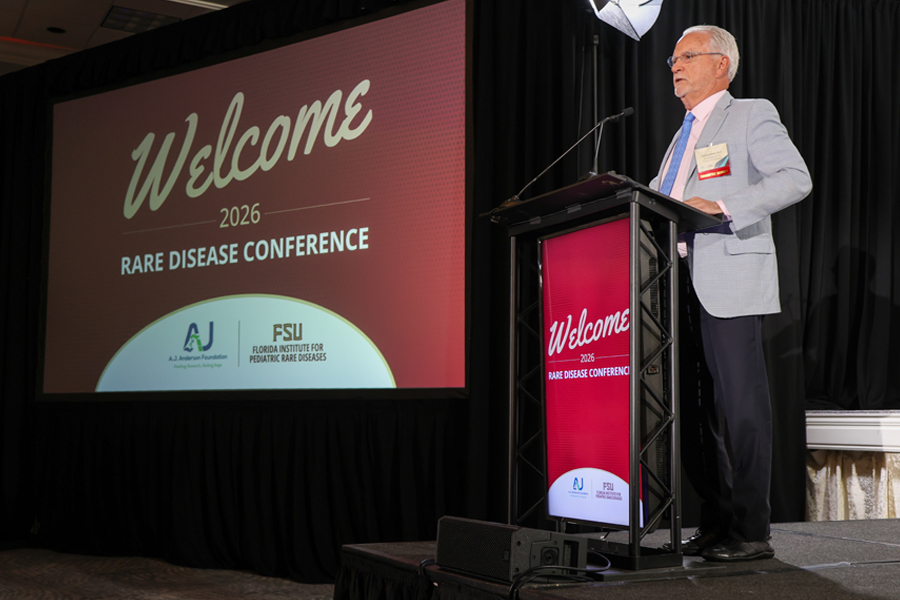
Sunshine Genetics is one of six major programs housed within Florida IPRD. The institute also operates a diagnostic laboratory, supports rare disease research, is developing a master’s program in genetic counseling, houses a viral vector and genome editing core and is expanding specialized pediatric care through the FSU Health Precision Pediatrics Clinic.
The institute’s broader mission reflects Florida IPRD’s role as a center for clinical care, research, workforce development and innovation in rare diseases.
The state’s continued investment in that work was reflected again this month when the Florida Legislature included funding for both Florida IPRD and the Sunshine Genetics Program in Florida State University’s 2026-27 operating budget.
For participating families, Sunshine Genetics uses the same blood spot sample already collected through Florida’s standard newborn screening program. No additional blood draw is required.
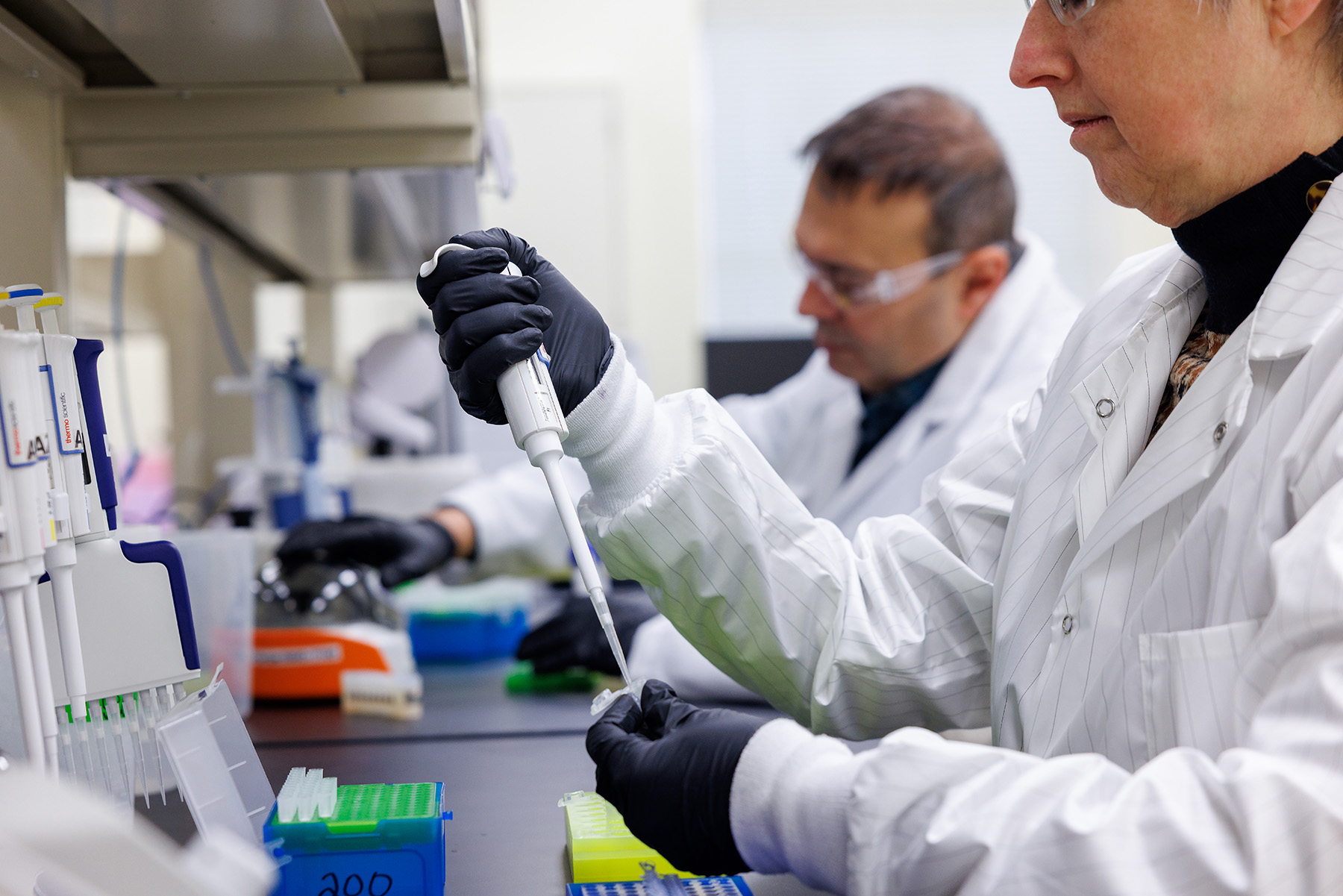
Once parents choose to enroll, that same blood sample is sent for genomic sequencing to identify disease-causing variants in about 900 genes associated with treatable childhood disorders. If a potential genetic condition is identified, Florida IPRD coordinates follow-up with families and pediatricians, including confirmatory testing, genetic counseling and connections to specialized care.
Ledbetter said Florida IPRD is also responsible for training participating hospitals and coordinating patient education, recruitment, results disclosure and clinical follow-up as the pilot expands across the state.
“Our goal is to help transform genomic information into meaningful support for children and families,” Bhide said.
Why earlier diagnosis matters
Florida’s traditional newborn screening program currently screens for 63 conditions.
“The Sunshine Genetics panel is approaching 900 conditions,” Anderson said. “There is nowhere else in the country that has something this robust that’s backed by a state. So wildly different. This truly is becoming the model for the nation.”
Earlier diagnosis can be life-changing for families, particularly for neurological and neuromuscular conditions.
“There’s a saying in those groups that time is brain,” Anderson said. “Every day that goes by, every hour, every minute actually, that goes by when you have a genetic condition that’s affecting your brain matter, you’re losing brain matter.”
One example is spinal muscular atrophy (SMA), a severe inherited neuromuscular disorder that can lead to muscle weakness, breathing problems and, in some cases, death in early childhood if left untreated.
“Identifying SMA shortly after birth through genomic newborn screening can allow treatment within weeks of life, often preserving motor function and dramatically improving long-term outcomes,” Bhide said. “Diagnosis months or years later may mean that significant neurological injury has already occurred, limiting the benefits of treatment.”
Anderson said some conditions can be treated with gene therapies, while others may respond to much simpler interventions if they are identified early enough.
He recalled speaking with advocates for Tango2 deficiency disorder, a rare genetic condition that can sometimes respond to vitamin B supplements.
“Kids that are trying this are using Flintstones vitamins,” Anderson said. “That’s how simple this is.
“The sooner you have that answer, the sooner you can get treatment,” he said. “If you’re able to administer one of these treatments before the symptoms present themselves, before that physical damage occurs, you can prevent them from ever happening.”
A model for the nation and beyond
Florida’s approach differs from most genomic screening efforts around the country.
While many programs begin within academic medical centers and later seek government support, Florida established the framework through legislation and then brought together universities, hospitals, industry partners and patient advocacy organizations to build the program.
“Florida is not simply testing genomes,” Bhide said. “It is building the clinical, digital and workforce infrastructure needed to translate genomic information into better health outcomes for children and families statewide.”
Ledbetter said the pilot is intended to answer an even bigger question: whether genomic newborn sequencing should become part of routine care for every child born in Florida.
“If the project produces the data we expect, Florida will be the first state in the U.S. to implement genomic newborn sequencing as a universal screen for all babies born in Florida,” he said. “I’m thrilled and honored to be part of this transformative health initiative.”
The initiative has attracted attention well beyond Florida.
“Everyone in England in the genomic space is paying attention to Florida and Florida State and what’s going on here in our state and at FSU,” Anderson said. “They’re amazed by it.”
The program brings together academic medical centers, health systems, laboratories, industry partners and patient advocacy organizations across Florida.
Looking beyond the pilot
The current initiative is designed to screen about 100,000 newborns during the pilot phase.
Five years from now, Anderson said success will be measured not only in lives saved but also in improved health outcomes and lower healthcare costs.
“We’ll know this program succeeded because there will be babies that have positive screening results and they’ll be able to get rapid treatment and early intervention,” he said.
He said earlier diagnosis could reduce years of unnecessary doctor visits, hospital stays and testing.
“One test that’s $1,000 or less and you get the answer right away,” Anderson said. “You save all of those years, all of those extra trips to doctors and hospitals.”
For Bhide, success extends beyond the pilot itself.
“Success would mean that children with rare genetic diseases across Florida are being diagnosed earlier, receiving more timely and effective care and experiencing better health outcomes because of access to advanced genomic technologies,” he said. “Most importantly, success would be measured by the children and families whose lives are improved through earlier answers, better treatment options and greater hope for the future.”
The long-term goal is to use the pilot program as a roadmap for expanding genomic newborn screening statewide.
“This is a pilot, a limited-scale pilot with 100,000 babies,” Anderson said. “The goal is to turn this into universal newborn screening.”