



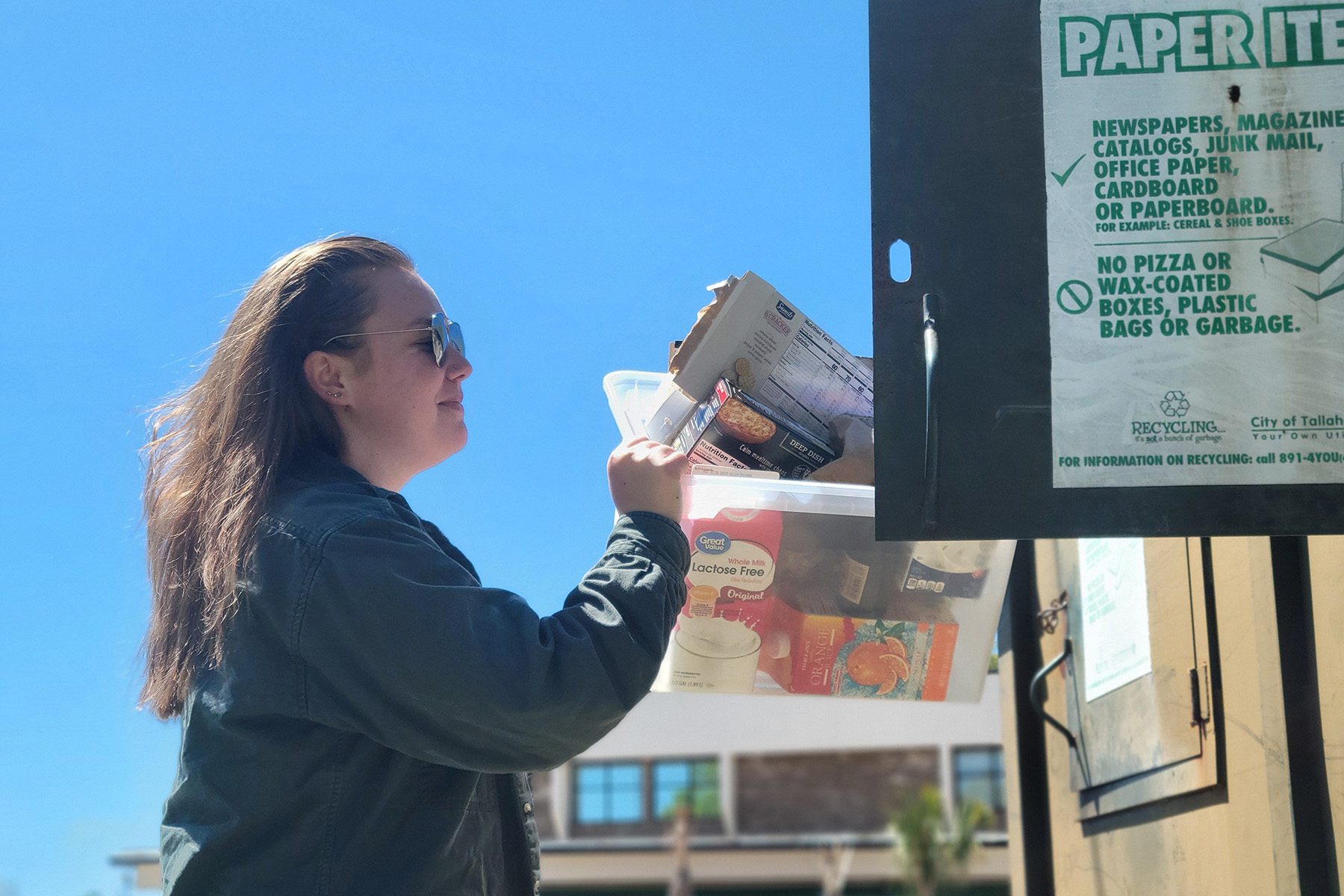
Florida State University’s College of Motion Picture Arts is emerging as a national leader in environmentally responsible filmmaking, setting a new benchmark for sustainability in film education through its partnership with the Environmental Media Association (EMA) and its membership in the Green Film School Alliance.
FSU students are not only meeting but consistently exceeding rigorous sustainability standards. In 2025, FSU student productions received more EMA Green Seals than New York University (NYU), Columbia University, Chapman University, the University of California, Los Angeles and the University of Southern California combined.
“Great storytelling and environmental responsibility go hand in hand,” said Jessica Schilling, professor of editing and a member of the Faculty Green Committee. “We’re proud to lead the charge in teaching the next generation of filmmakers how to create without compromise, both artistically and environmentally.”
FSU joined the Green Film School Alliance in 2024, aligning with institutions such as the American Film Institute, New York University, Columbia and Sundance to integrate industry-level sustainable production practices into film school programs. The alliance focuses on reducing the environmental impact of physical production, sharing best practices and advancing sustainable initiatives across member schools.
Student leadership has played a central role in the school’s rapid progress. The first cohort of Sustainability Representatives, many of whom also served as campus Sustainability Fellows, helped establish the systems now used across student productions.
Keith Cohen, a 2025 graduate with a BFA in film production, said the experience reshaped how he views the filmmaking process.
“Advocating for sustainable sets is so important to me, because the amount of waste produced by a single production within a single day is not only eye-opening, but disheartening,” Cohen said. “As emerging filmmakers, we must aspire to create positive change not only through the stories we tell but also within the process through which we tell them.”
He said the work felt meaningful on both an artistic and ethical level.
“I can’t help but feel that the product itself is enhanced because its production made an active effort to avoid destructive practices,” he said. “We have to consider the well-being of our planet and make an active effort to not only reduce waste but inspire sustainable behaviors. In doing this, we as a film school are resisting the pitfall of complacency and aspiring for a better, greener tomorrow.”
Will Hill, a 2025 MFA graduate in virtual production, said the initiative reflects a broader truth about the future of the industry.
“Environmental sustainability is no longer a choice in any industry; it’s a necessity,” Hill said. “This challenging reality requires bold leadership, and FSU Film has risen to the occasion. Every choice matters. Earning the Green Seal on a production is a tremendous honor that shows how the creatives behind the work understand this. For film and art to lead culture, it must also demonstrate respect for the planet.”
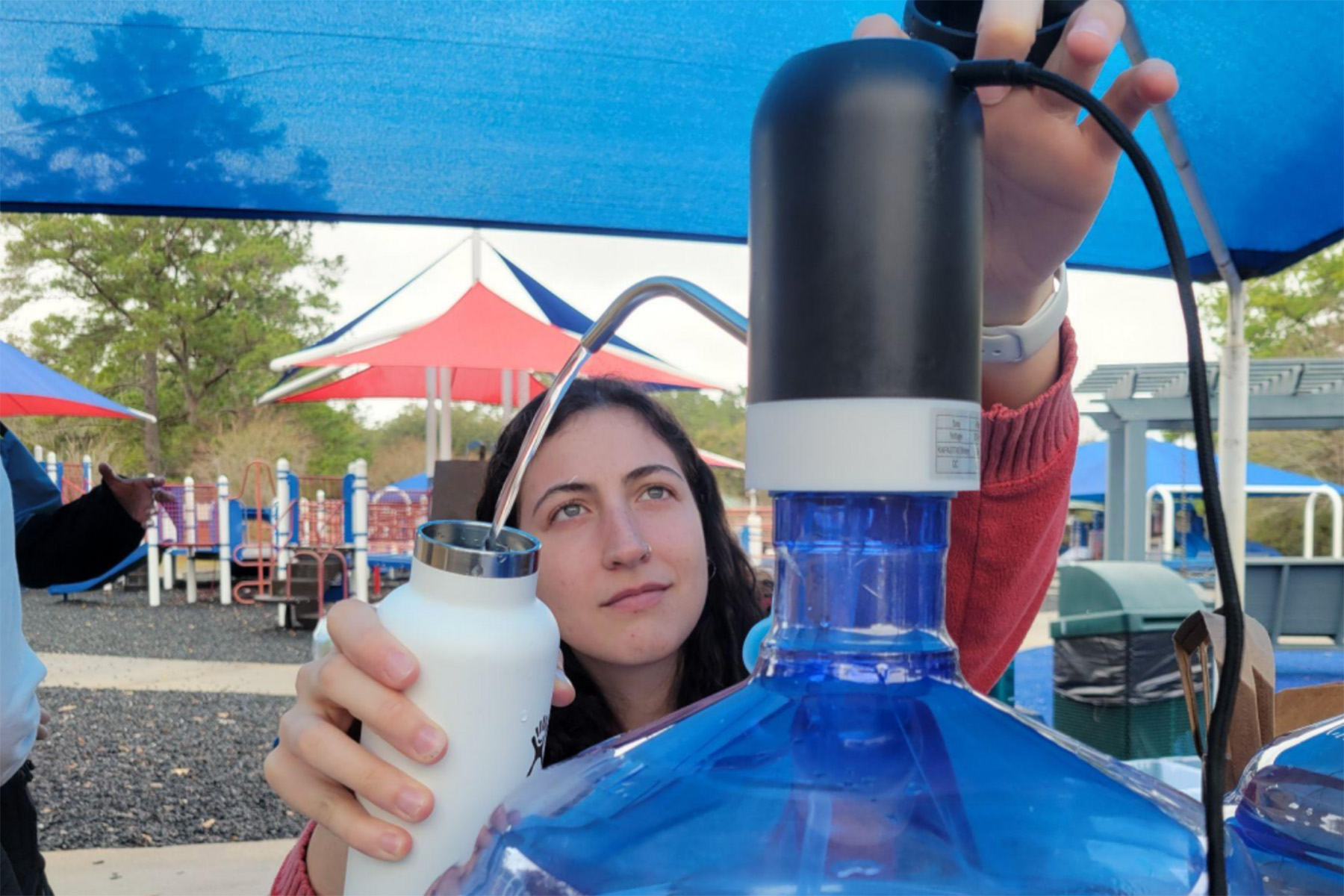
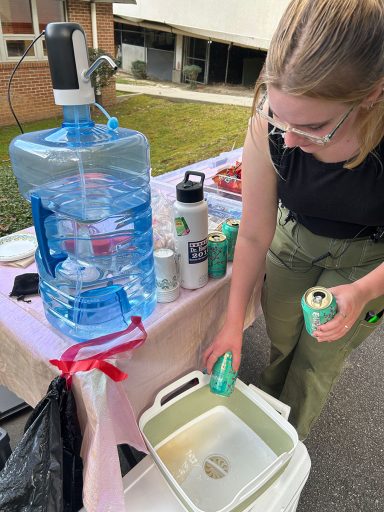
FSU productions have adopted a wide range of sustainable practices, including eliminating single-use plastic water bottles, using energy-efficient LED lighting instead of traditional tungsten bulbs, carpooling, sourcing wardrobe and props from local Goodwill stores and transitioning to digital call sheets and sign-in forms.
“We pride ourselves on being a public film school, and we want students to think critically about the many ways they can incorporate sustainable practices into their filmmaking,” Schilling said. “This initiative reflects our commitment to staying ahead of industry standards. We’re right at the forefront of this aspect of filmmaking.”
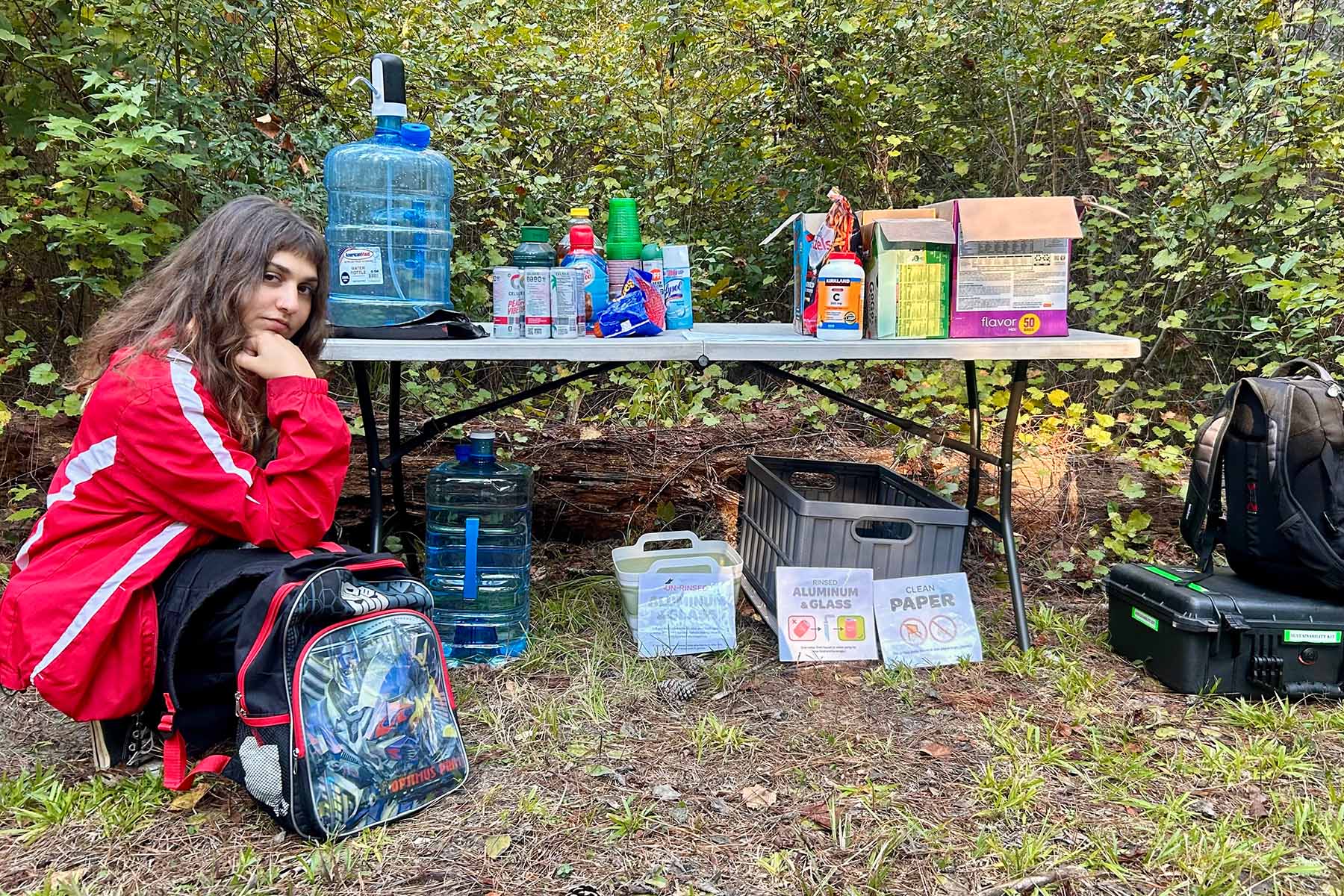
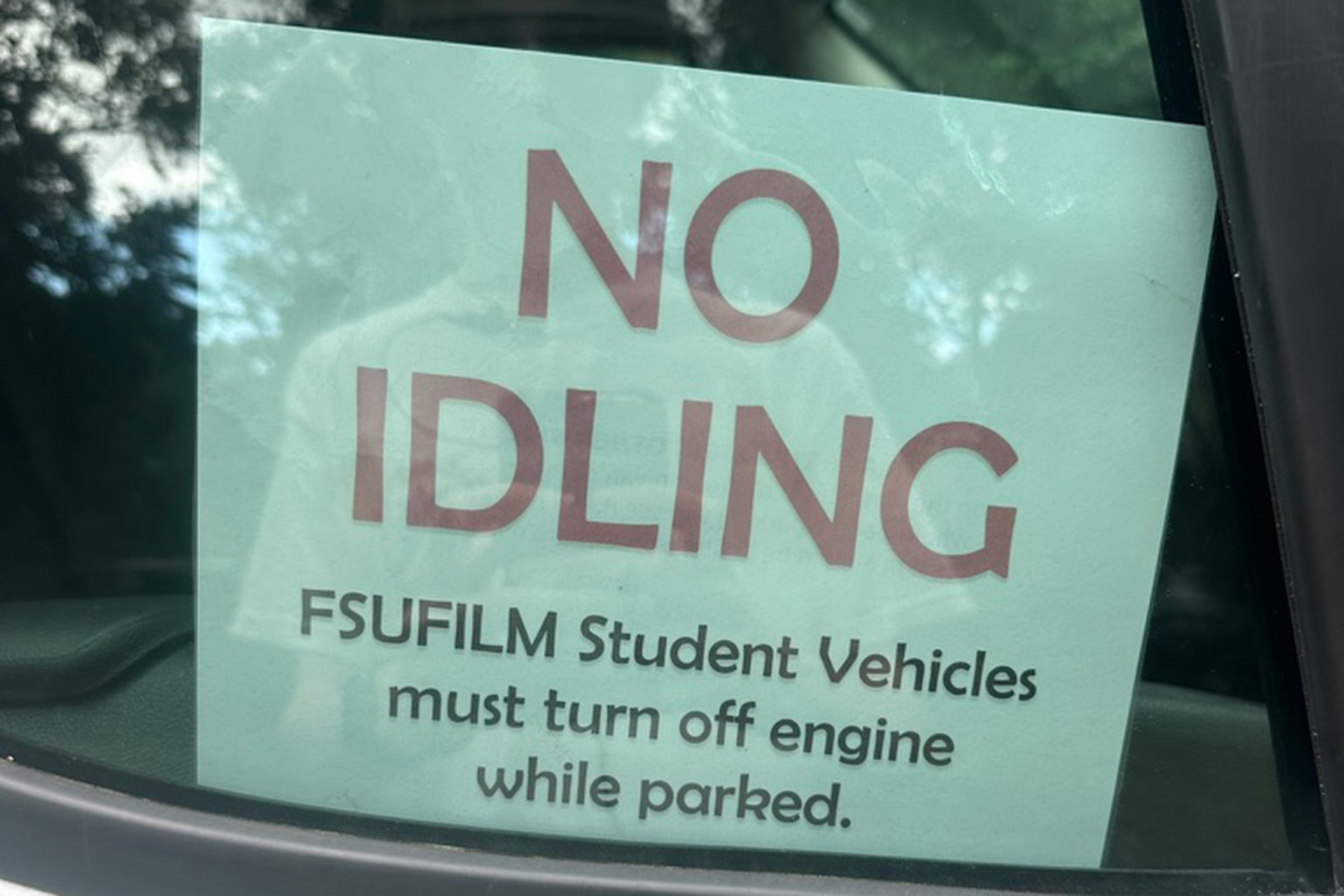
The College of Motion Picture Arts earned its first student EMA Green Seal in 2024. Just one year later, Florida State holds 16 Green Seals, a milestone Schilling credits to student enthusiasm and faculty support.
“Their enthusiasm inspired others to get involved, which made it easier for the effort to grow,” she said. “We were able to implement sustainable practices across productions and cycles, and in the process, establish systems that now apply to all of them.”
Paige Roberts, Head of Admissions, said joining the Green Film School Alliance further strengthens the school’s commitment.
“This alliance focuses on tangible steps to lessen the environmental impacts of physical production on the environment, a willingness to share best practices and a pledge to further sustainability initiatives across our schools,” Roberts said. “The undergraduate students, alongside faculty leaders, are leading the charge for FSU Film and we are excited for the future of sustainable filmmaking.”
For more information, visit film.fsu.edu.