



Key Points
- Military service is deeply rooted in FSU’s history, from 19th-century cadet training to veterans helping establish the modern coeducational university after World War II.
- FSU has built substantial support for military-connected students. Since 2011, the Student Veterans Center has served more than 20,000 students and helped raise veteran graduation rates from 69% to nearly 90%.
- FSU's commitment to student-veterans and military-connected students continues to expand through the Stamps Veteran Scholars Program and the planned Veterans Legacy Complex.
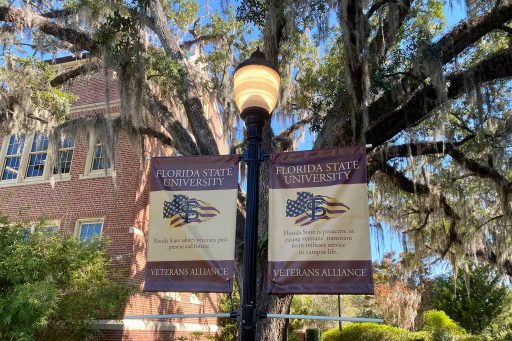
On football helmets, banners and across the Florida State University community, the Veterans Alliance arrowhead logo has become a visible sign of FSU’s commitment to veterans. But military service has been woven into the fabric of FSU for more than a century and a half.
From the introduction of military training at West Florida Seminary in the 1800s to returning World War II veterans who helped shape the institution, veterans and military-connected students have played an important role in FSU’s 175-year history.
“Among the things that make Florida State special is that the military service threads running throughout our history are recognized, respected and honored by the entire university community,” said William “Billy” Francis, director of FSU’s Student Veterans Center.
Early ties to military service
Florida State University’s history began in 1851, when the Florida Legislature established two seminaries of learning and selected Tallahassee as the site of the western institution. The West Florida Seminary opened in 1857 on the site of today’s Westcott Building, representing the oldest continuous site of higher education in Florida. During the 1860s, the institution operated as the Florida Military and Collegiate Institute, introducing military instruction and cadet training into campus life.
The university’s path changed significantly in 1905 when the Buckman Act reorganized Florida’s system of higher education, transforming the Tallahassee campus into Florida Female College. In 1909, the institution was renamed Florida State College for Women (FSCW) and grew into one of the nation’s leading women’s colleges.
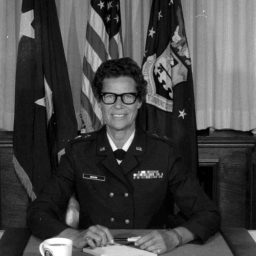
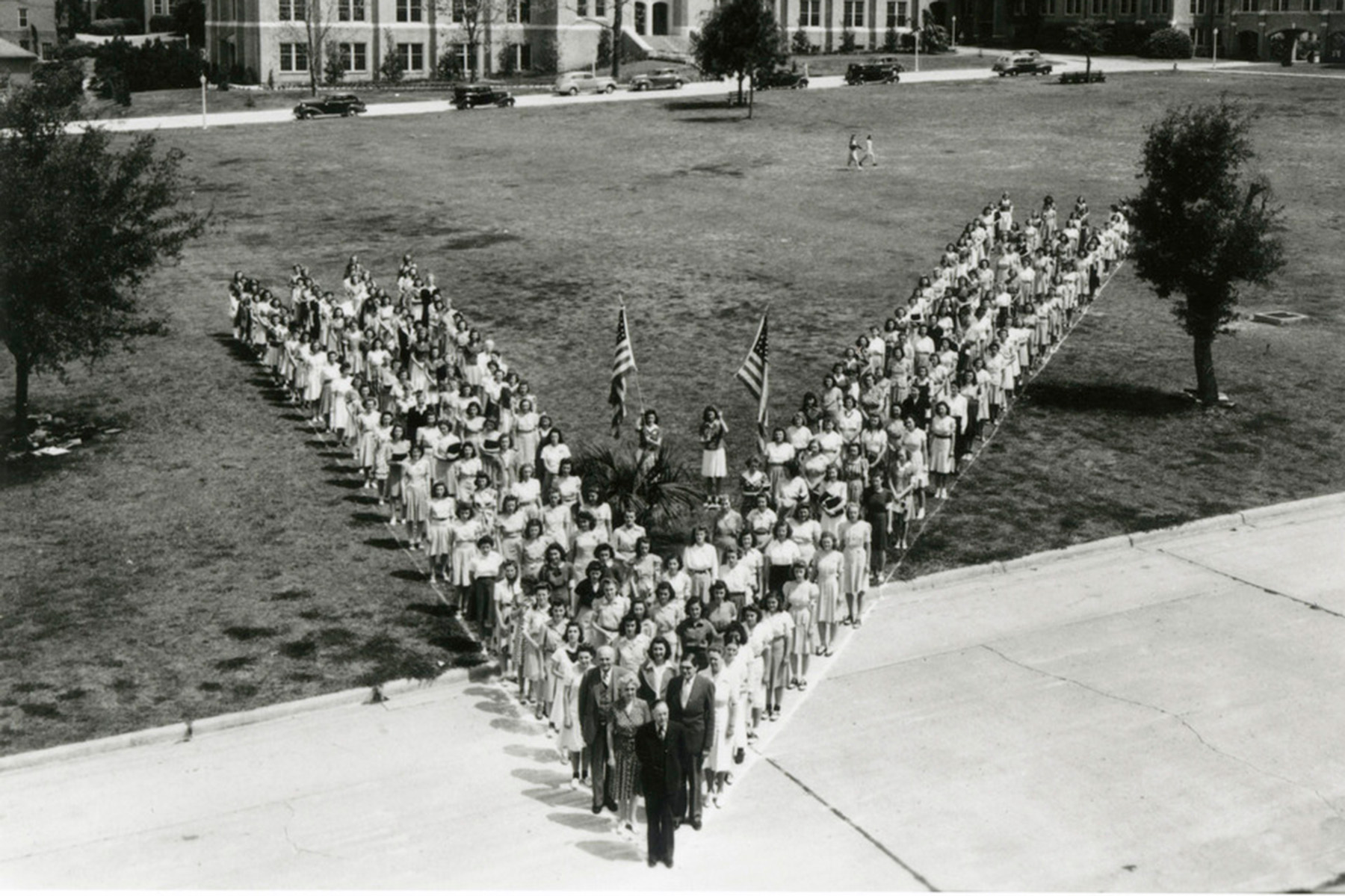
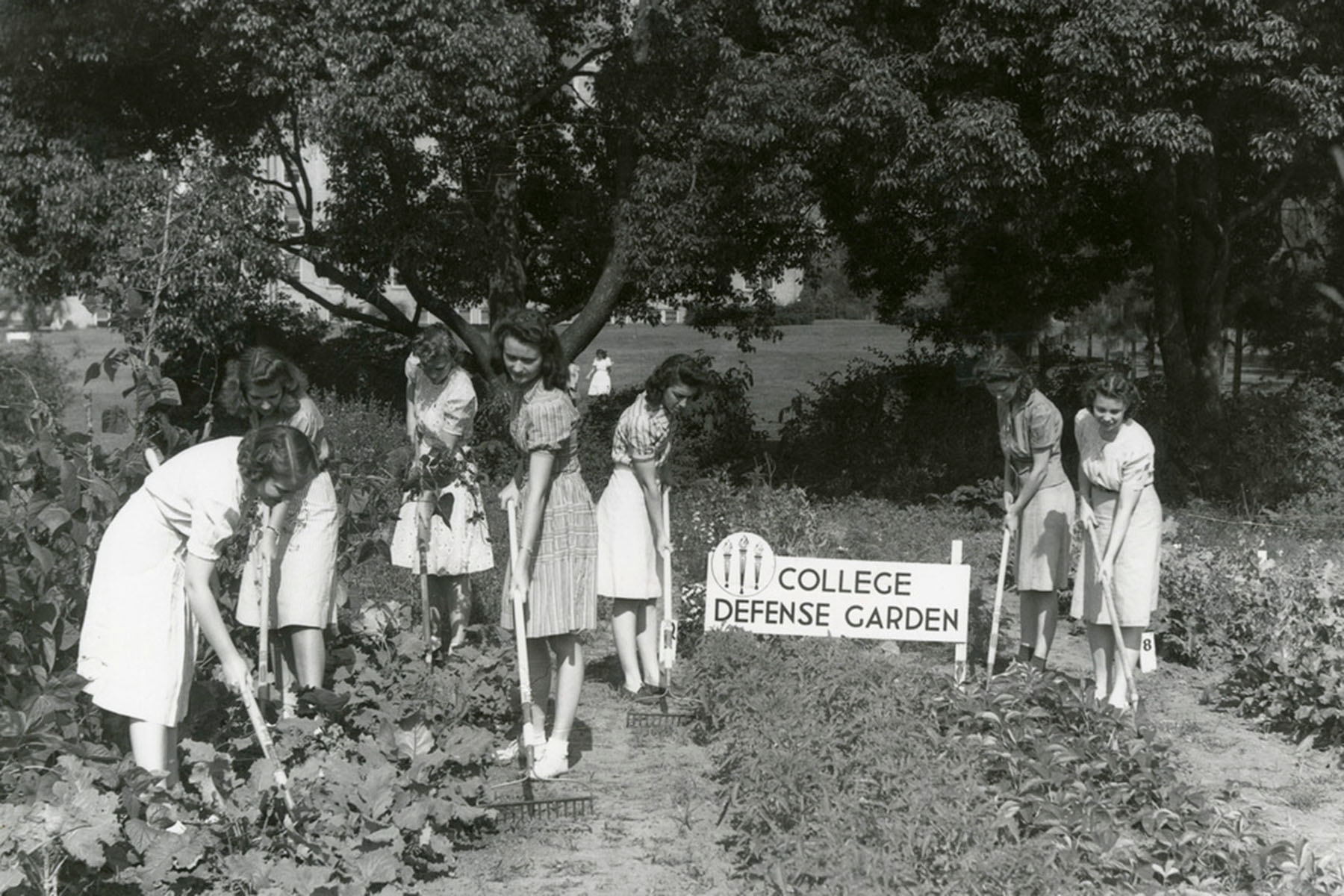
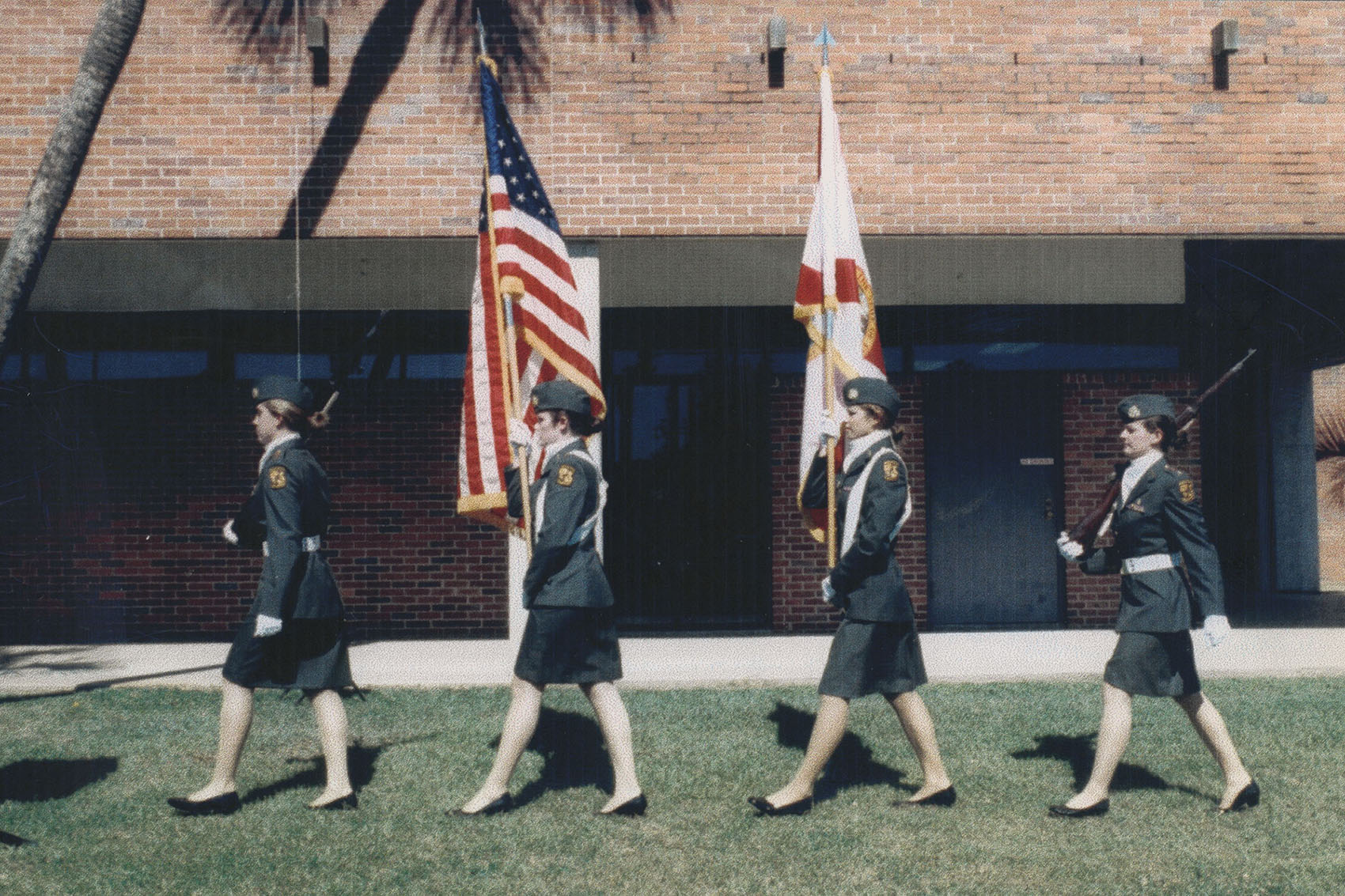
During the FSCW era, military service remained part of the college’s history. During World War II, FSCW students supported the war effort by tending to “victory” vegetable gardens, participating in recycling drives and organizing events for service members stationed at Dale Mabry Army Airfield in Tallahassee. FSCW alumna Norma Elaine Brown later became the first woman to command an Air Force wing.
Veterans usher in a new era
After World War II, the G.I. Bill expanded access to higher education for returning veterans and helped transform Florida State College for Women into coeducational Florida State University.
In 1946, the state established the Tallahassee Branch of the University of Florida to accommodate male students at FSCW. The short-lived program repurposed barracks at the Dale Mabry Airfield, which is now the site of Tallahassee State College, and became known as West Campus.
On May 15, 1947, the Florida Legislature returned FSCW to coeducation and veterans were among the first men admitted. FSU President Doak S. Campbell led the university through the transition.
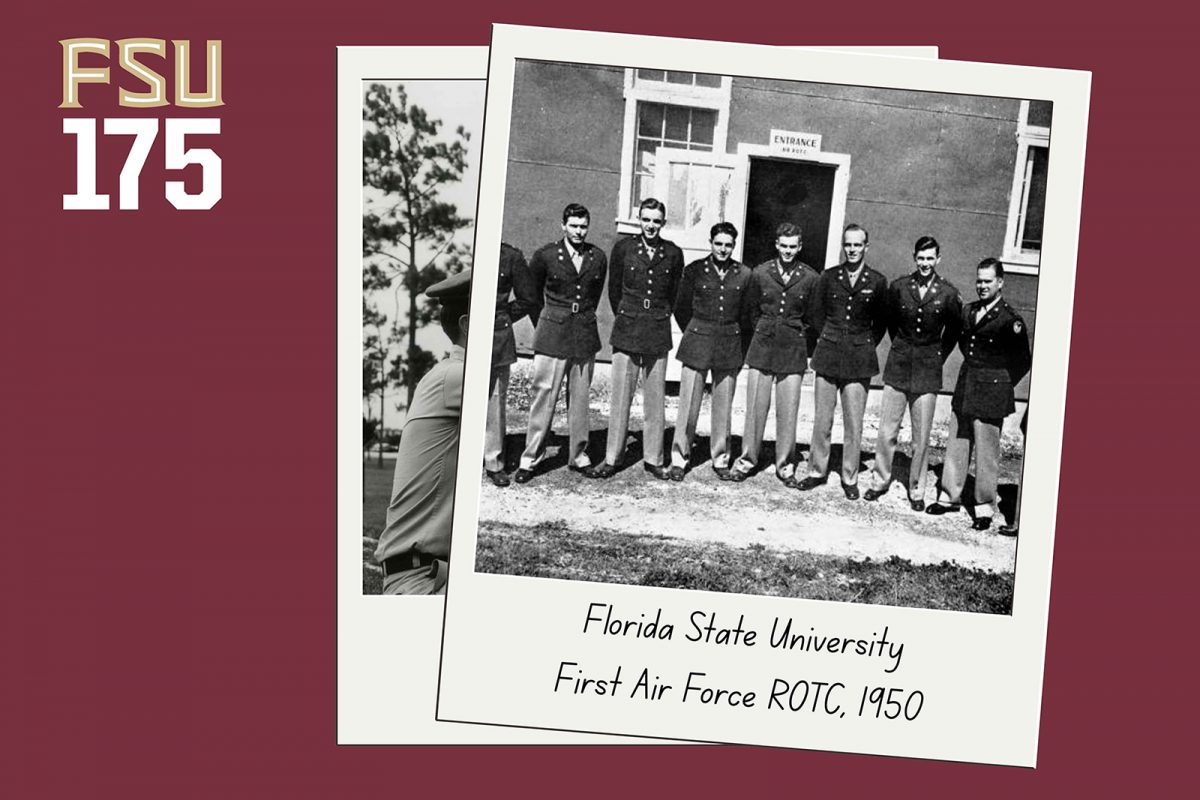
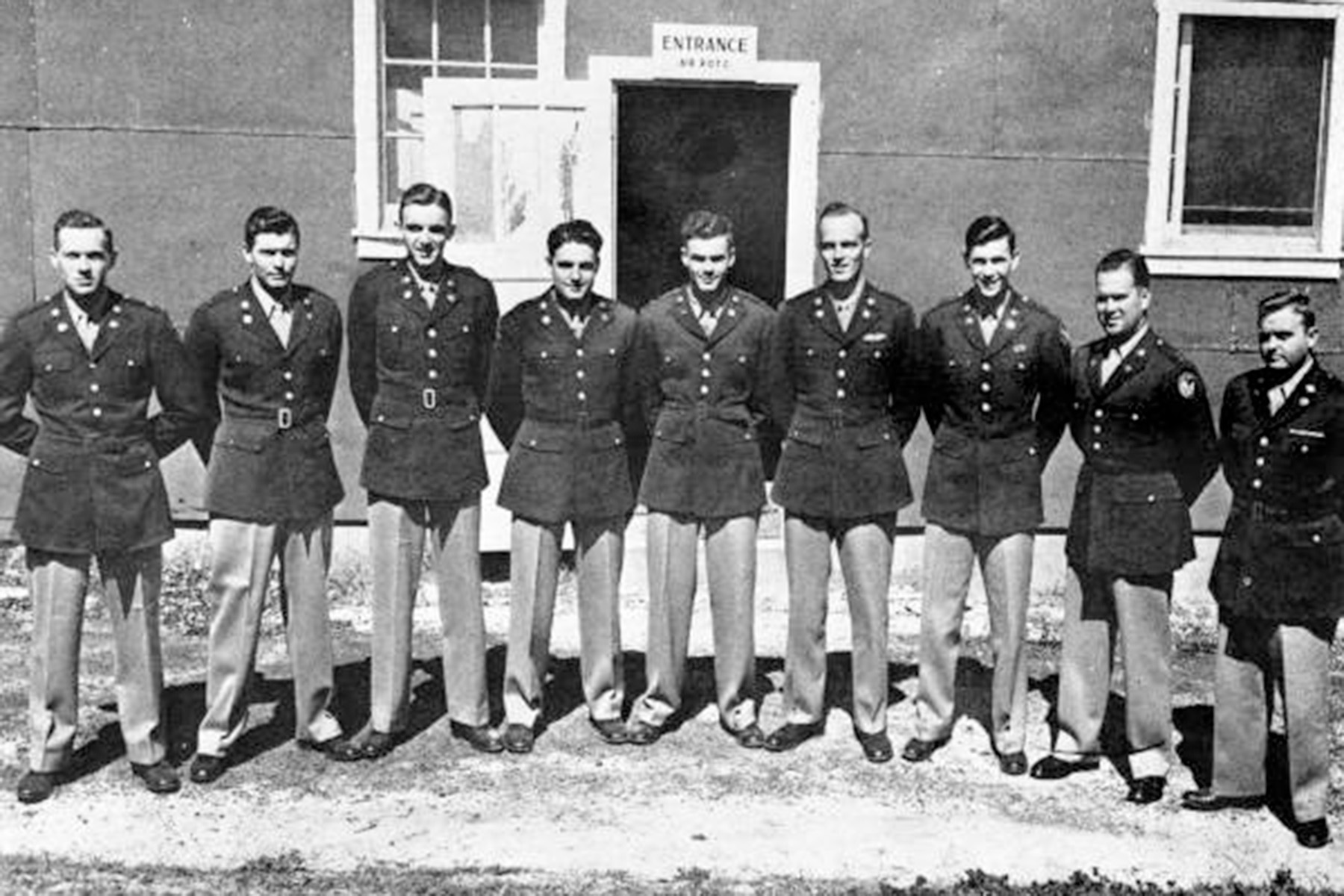
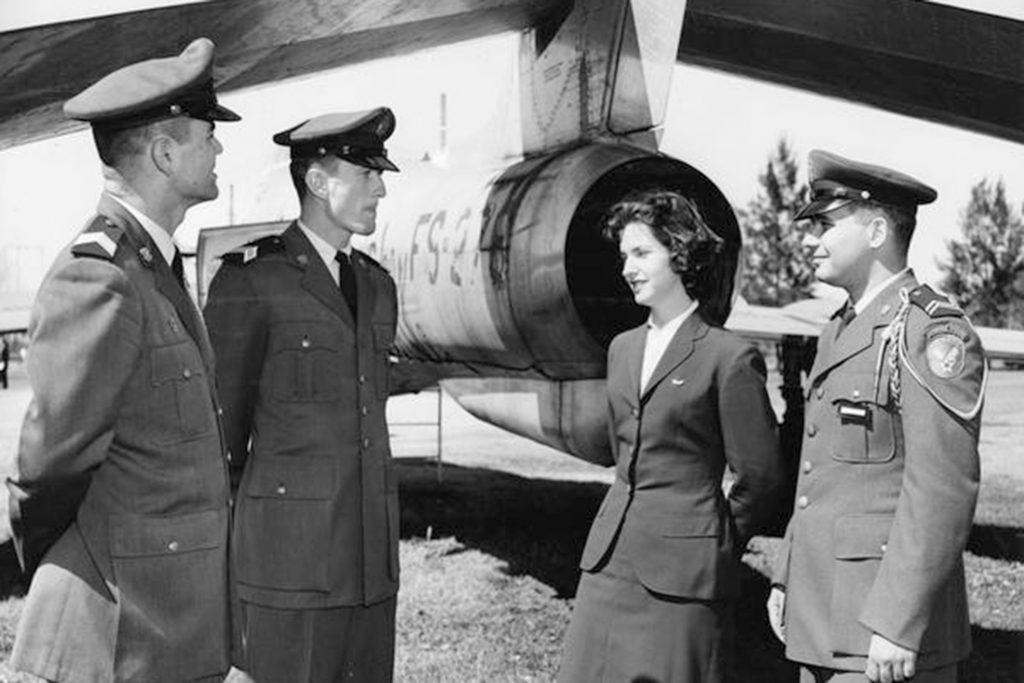
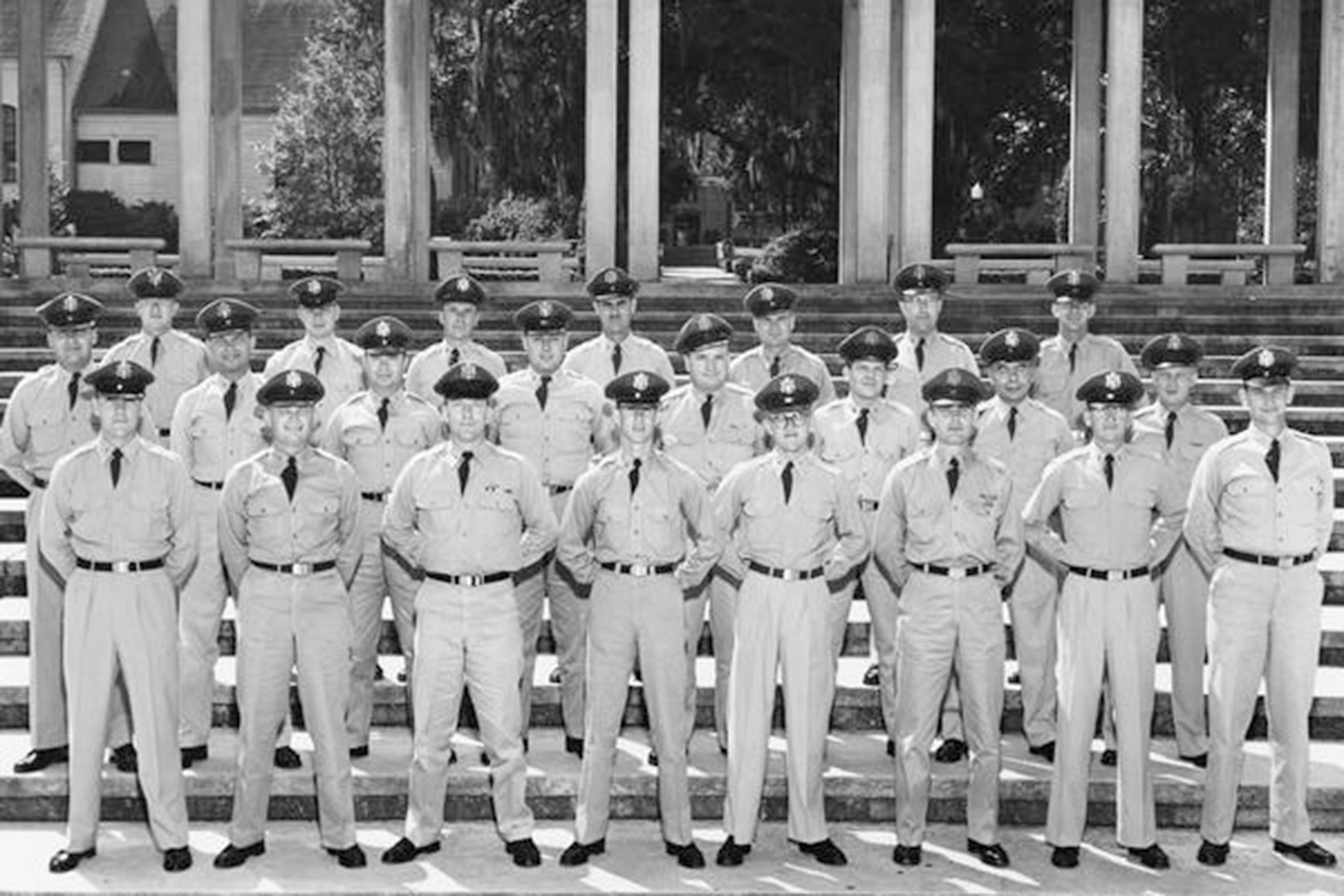
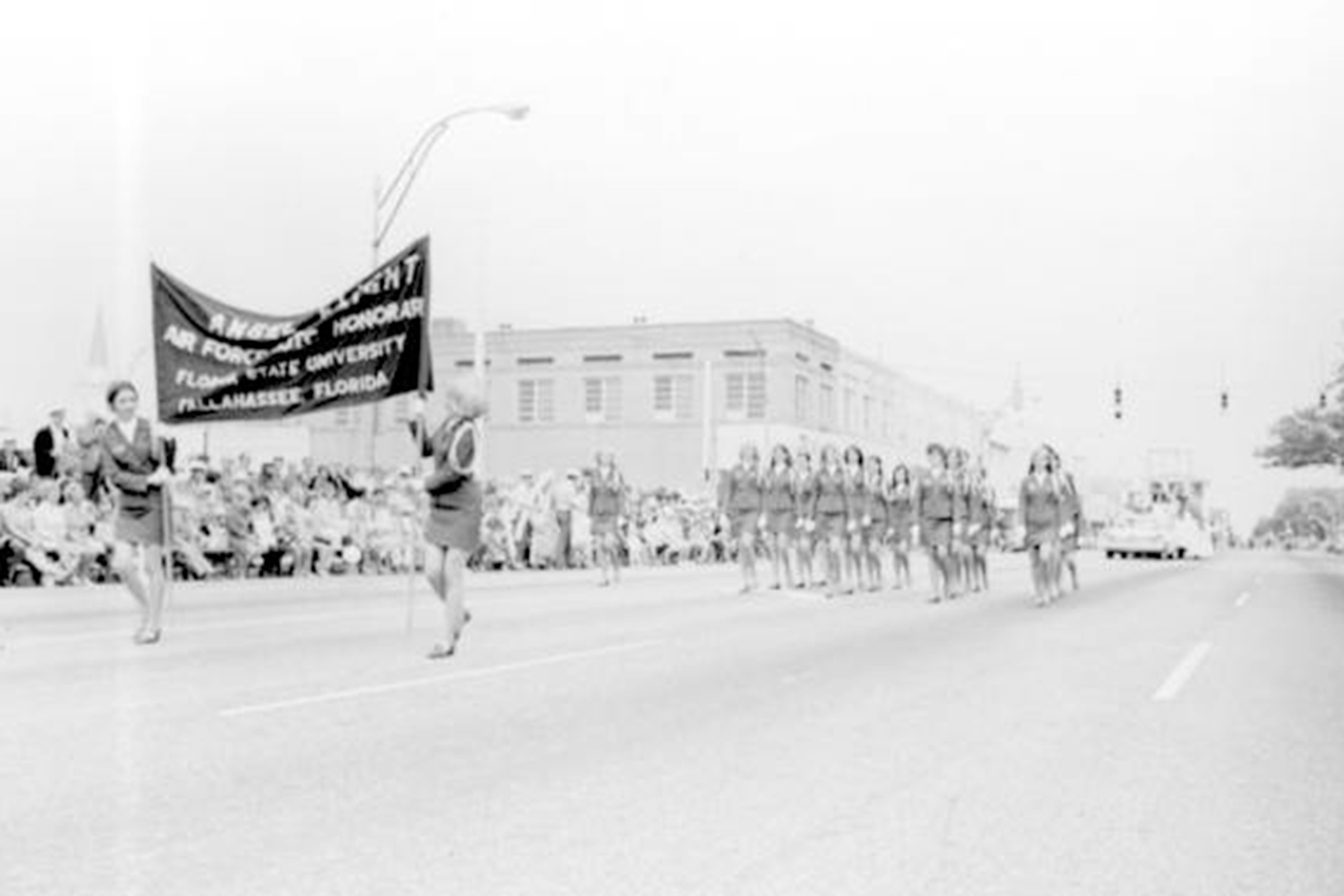
FSU established its Army Reserve Officers’ Training Corps (ROTC) program in 1951, followed shortly thereafter by its Air Force ROTC program.
Building a modern network of support
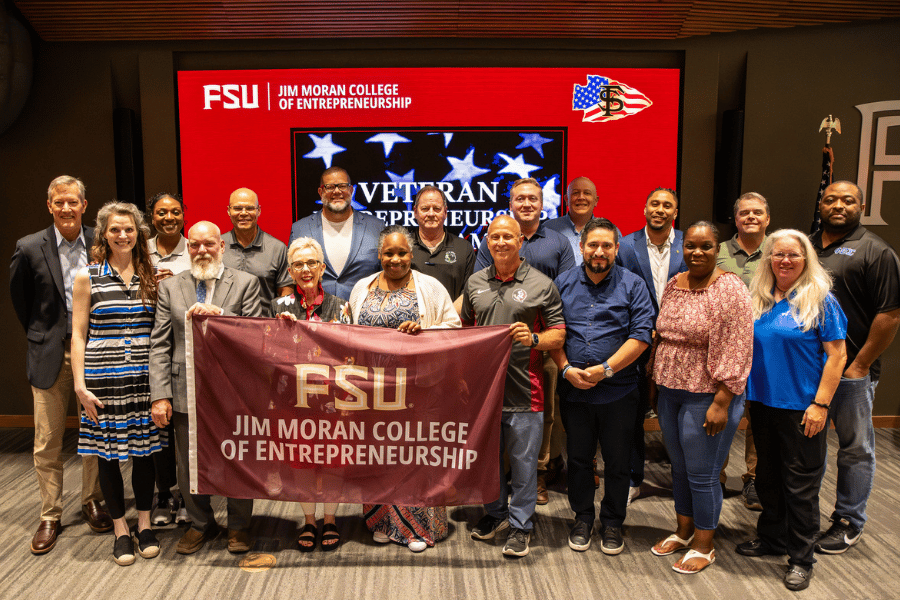
As the number of veterans and military-connected students at FSU grew, so did the need for dedicated services. On Nov. 11, 2011, the university established the Student Veterans Center (SVC) under FSU’s 14th president, Eric J. Barron.
The idea came from student veterans who proposed to President Barron a central campus resource for veterans, active-duty service members, members of the National Guard and Reserve, and military and veteran dependents. The center was designed to help these military-connected students navigate university life and access its support services.
FSU alumnus Billy Francis, a retired Air Force colonel and fighter pilot, has led the Student Veterans Center since its creation. Commissioned into the Air Force through the university’s ROTC program, Francis served for 26 years before heading up the center.
“Everything we do here is aimed at initiating, cultivating and sustaining relationships between the university community and our military and veteran students. It’s this genuine sense of connection to the campus that empowers them toward their goals and dreams,” Francis said.
The SVC helps students access education benefits provided through the U.S. departments of Veterans Affairs and Defense. It also connects students with veteran liaisons — faculty and staff who are veterans’ points of contact in academic and administrative departments across campus. The center also organizes events intended to build community and recognize military service. Since its founding, the SVC has supported more than 20,000 military-connected students and hosted nearly 600 events and activities.
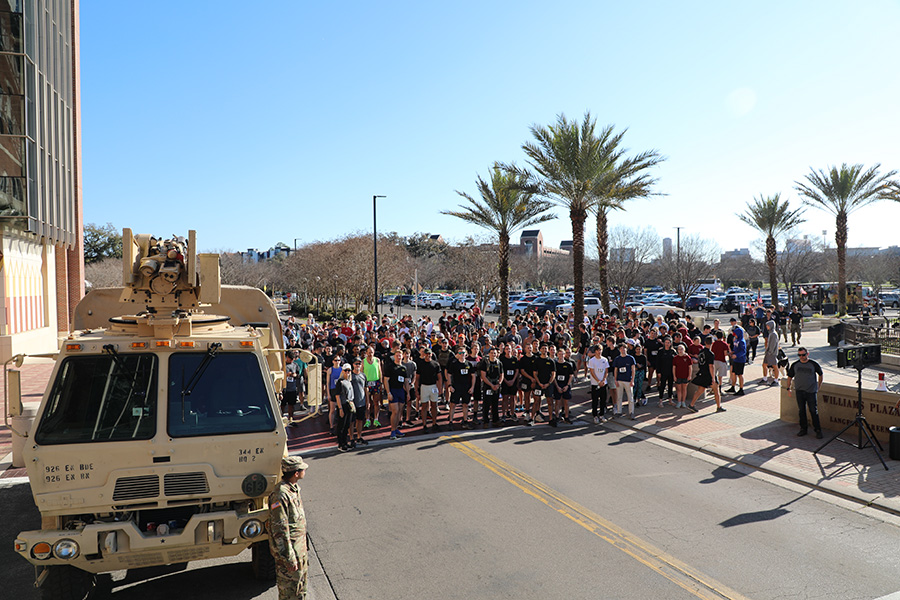
The Student Veterans Center also addresses the challenges veterans face when transitioning to college life. Student veterans are often older than traditional undergraduates, may have spent years away from the classroom, and bring experiences that differ significantly from those of many classmates.
“The best way to support military-connected students is to walk with them through their academic journey and provide them with resources that help them graduate and launch into rewarding careers or graduate school,” Francis said.
Since the center opened, graduation rates among student veterans have risen from 69% to an average of nearly 90% each year, reflecting FSU’s sustained efforts to help veterans succeed in college and beyond.
Courtney Davis is a Florida State University senior majoring in studio art and a U.S. Army veteran who served for 24 years. She joined the military at 17, was later activated in support of Operation Iraqi Freedom and held several roles during her career, ultimately working in mass communications and public affairs.
After leaving the military, Davis returned to FSU to pursue her passion for photography, art and education. She plans to graduate in May 2027 and hopes to pursue a master’s in art education and become a teacher.
“My service in the Army taught me the value of a shared mission. I learned what it means to be part of a diverse community dedicated to a cause greater than itself, where a growth mindset is essential because stagnation carries real consequences,” Davis said. “I see that same dynamic in higher education. While earning a degree is personally rewarding, the true value lies in what we accomplish afterward — using that education to drive meaningful, much-needed change in the world.”
Carrying the legacy forward
FSU’s commitment to veterans and military-connected students continues to grow, earning the university recognition as one of the country’s top public institutions for veterans in several national rankings.
In fall 2026, FSU launched the nation’s first Stamps Scholars Program for undergraduate student veterans. The Stamps Veteran Scholars Program provides merit scholarships and enrichment support for up to five veterans a year, helping recipients pursue opportunities such as undergraduate research, leadership development, study abroad and national conferences.
The university also is advancing plans for a Veterans Legacy Complex, which will elevate the resources and services available to student veterans, as well as those still on active duty or members of the National Guard or Reserve. The 2026-27 state budget included the final phase of funding for the project as part of more than $180 million directed to FSU priorities.
“We have a proud heritage and an exciting future for veterans here at FSU,” said Francis. “This commitment by the legislature and the university to construct the first stand-alone veterans center in the State of Florida on our campus is a testament to our enduring commitment to veterans past, present and future.”
The complex will reflect FSU’s dedication to preserving its military history while elevating its support of future generations of veterans and military-connected students.
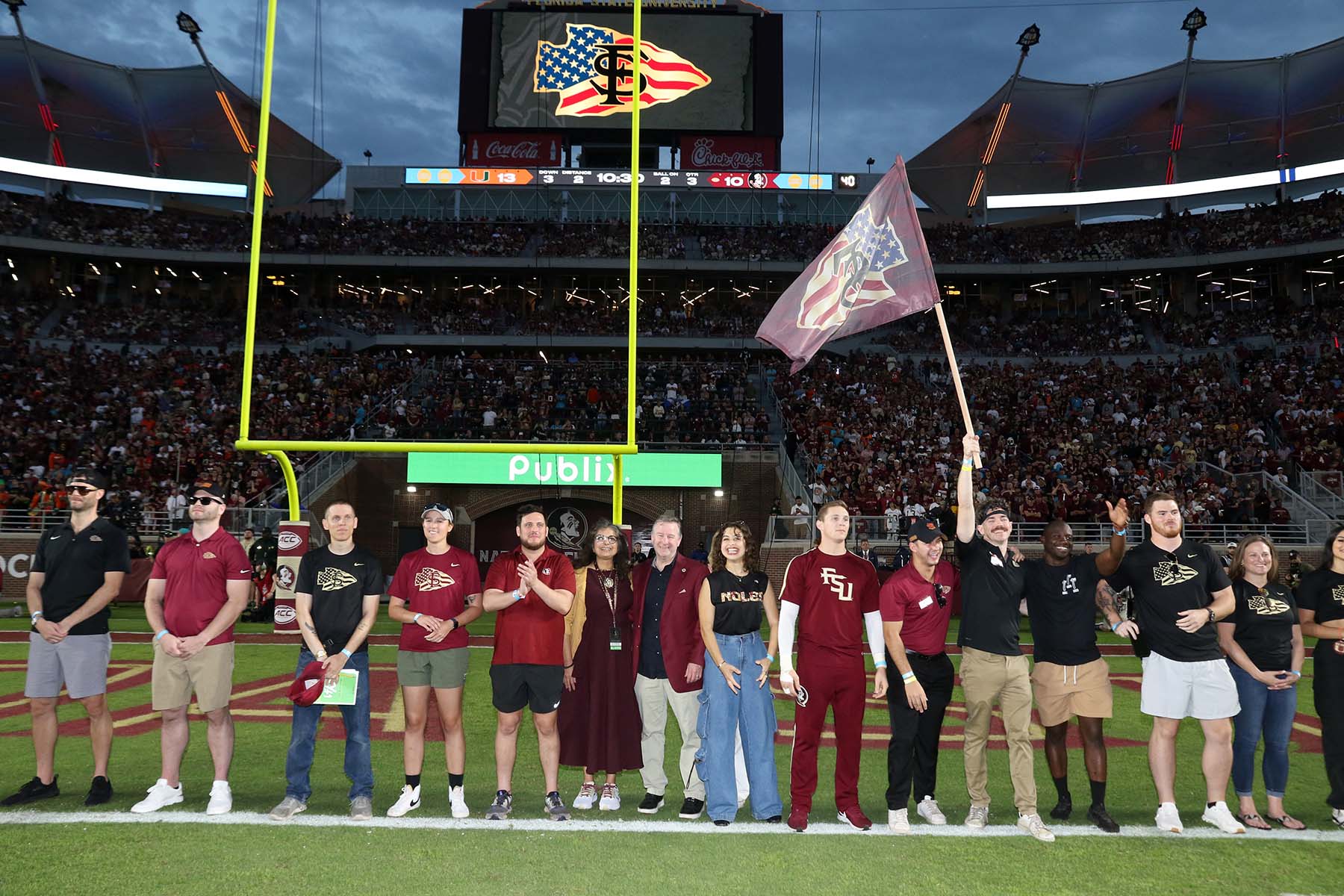
Across campus, the Veterans Alliance arrowhead has become a symbol of that commitment. The emblem appears on banners, clothing and merchandise, but Francis said the symbol carries meaning only when the university community backs it up with action.
“The Veterans Alliance arrowhead stands for our support and success of veteran/military students, but if our resources and services don’t reflect that then it’s just a cool symbol that doesn’t mean much,” he said. “Fortunately, that’s not the case at Florida State. We work hard here to follow through on what we say we’re going to do.”
Florida State University will recognize FSU student-veterans on the field during the annual Military Appreciation Game on Saturday, Oct. 31, 2026, at Doak Campbell Stadium.