



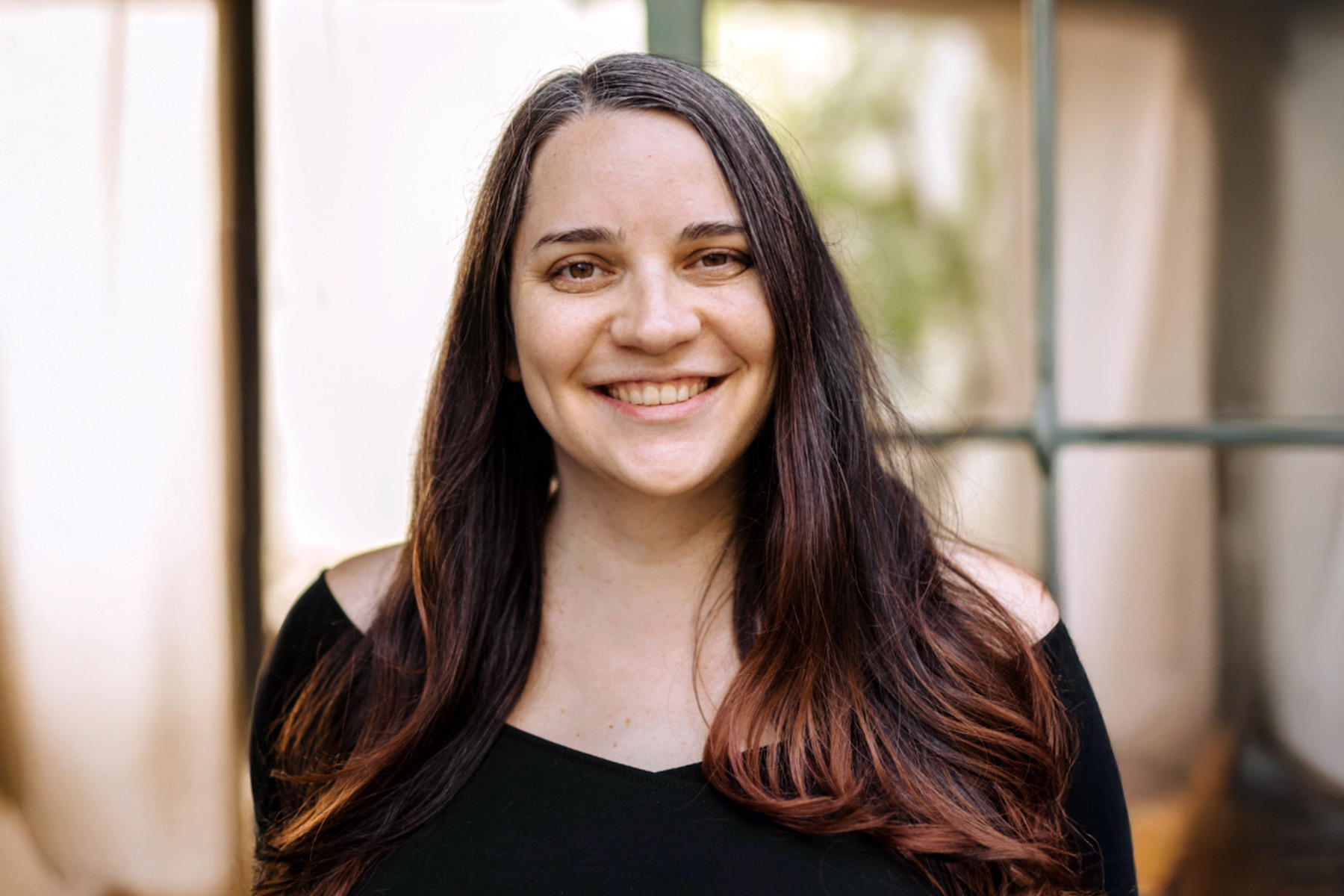
A Florida State University faculty member has been awarded a highly competitive international fellowship to trace and preserve the architectural and environmental relics of slavery, ranging from presidential homes to city streets.
Assistant Professor Kathleen Powers Conti is the first researcher from the Department of History and fifth from FSU to earn a MacDowell Fellowship. Conti will spend May and June at the 450-acre MacDowell estate in Peterborough, New Hampshire, using the artist-in-residence opportunity to complete her in-progress book, “Fingerprints in Brick: Race, Memory, and Historic Preservation in the American South.”
“I was overjoyed to find out I had won a MacDowell Fellowship,” said Conti, who is also an affiliated faculty member with FSU’s Native American and Indigenous Studies Center. “This is an extraordinary opportunity, both for my research and creative practice, and I am excited to have the privilege to work among so many other artists and scholars.”
MacDowell has offered its retreat-style fellowship program for more than a century, promoting an environment that allows leading creatives to not only hone their craft but also inspire one another. MacDowell Fellowships are awarded in seven disciplines: architecture — for which Conti was selected — as well as film and video, interdisciplinary arts, literature, music composition, theatre and visual arts.
As a MacDowell Fellow, Conti joins the ranks of more than 100 Pulitzer Prize winners, 1,000 Guggenheim fellows, and 35 National Book Award winners, including Audre Lorde, Leonard Bernstein and James Baldwin.
“The idea behind MacDowell is simple: give artists a private, secluded studio in a beautiful environment to work, without distraction,” Conti said. “They provide three meals a day, and MacDowell strikes the perfect balance of solitude to devote to your work while also allowing you to benefit from the creativity and talent of all the other artists and scholars working around you.”
While living and writing in one of the MacDowell estate’s 31 house-like “studios,” which do not have wireless internet or cell service, Conti will work toward the completion of her upcoming book on the history and preservation of structures and landscapes shaped by enslaved people in the U.S. South, which include ornamental gardens, presidential homes, city streets and cemeteries.
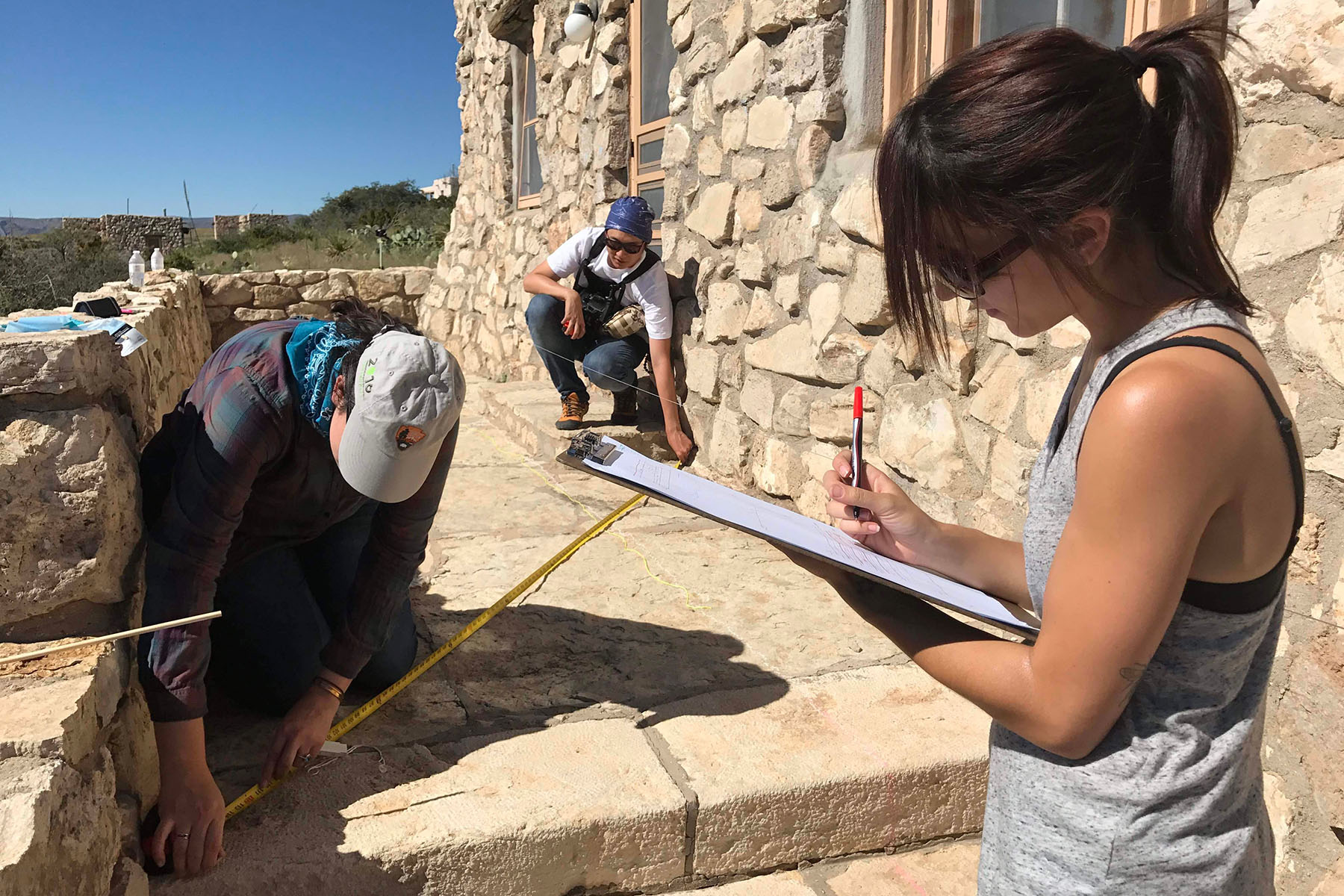
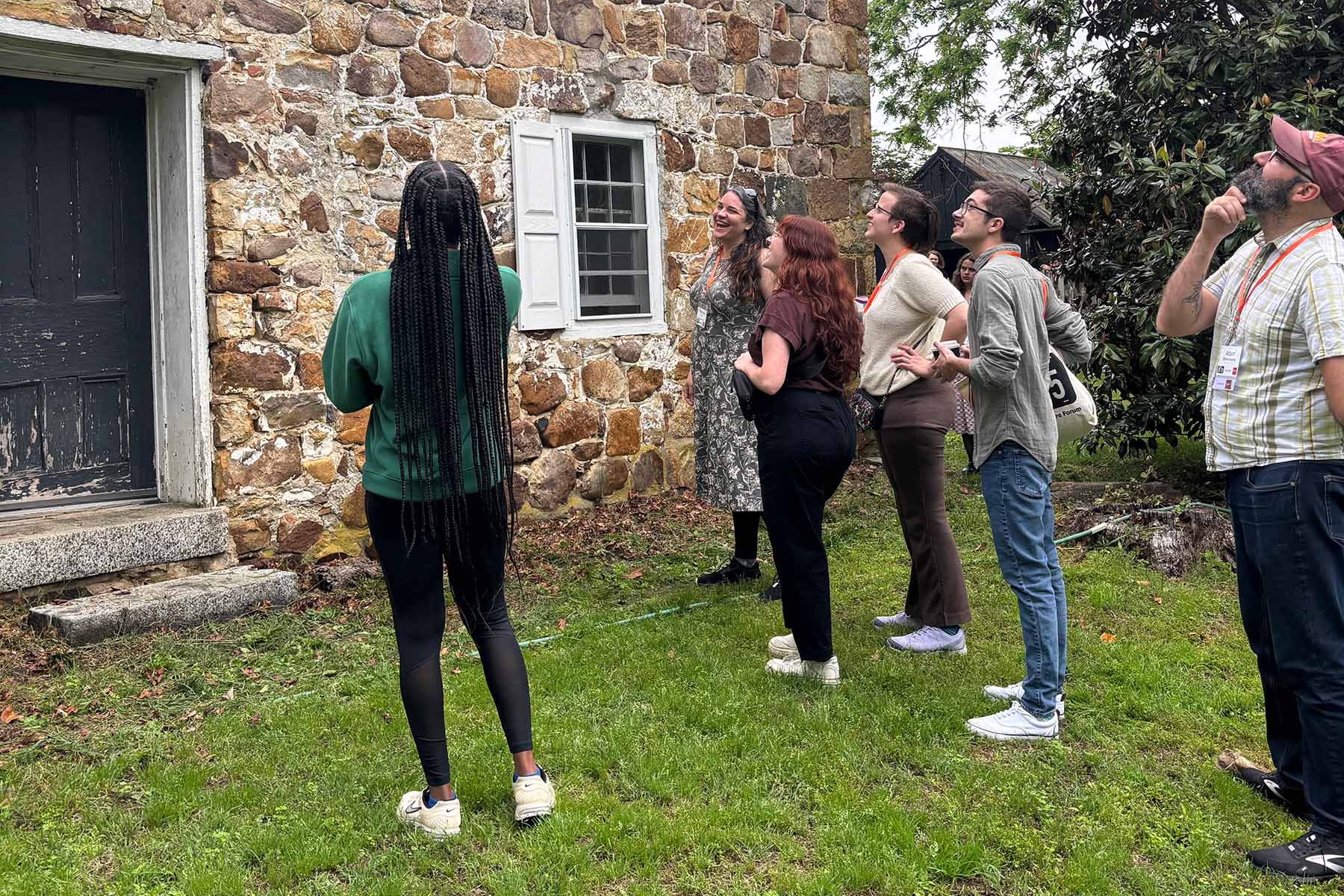
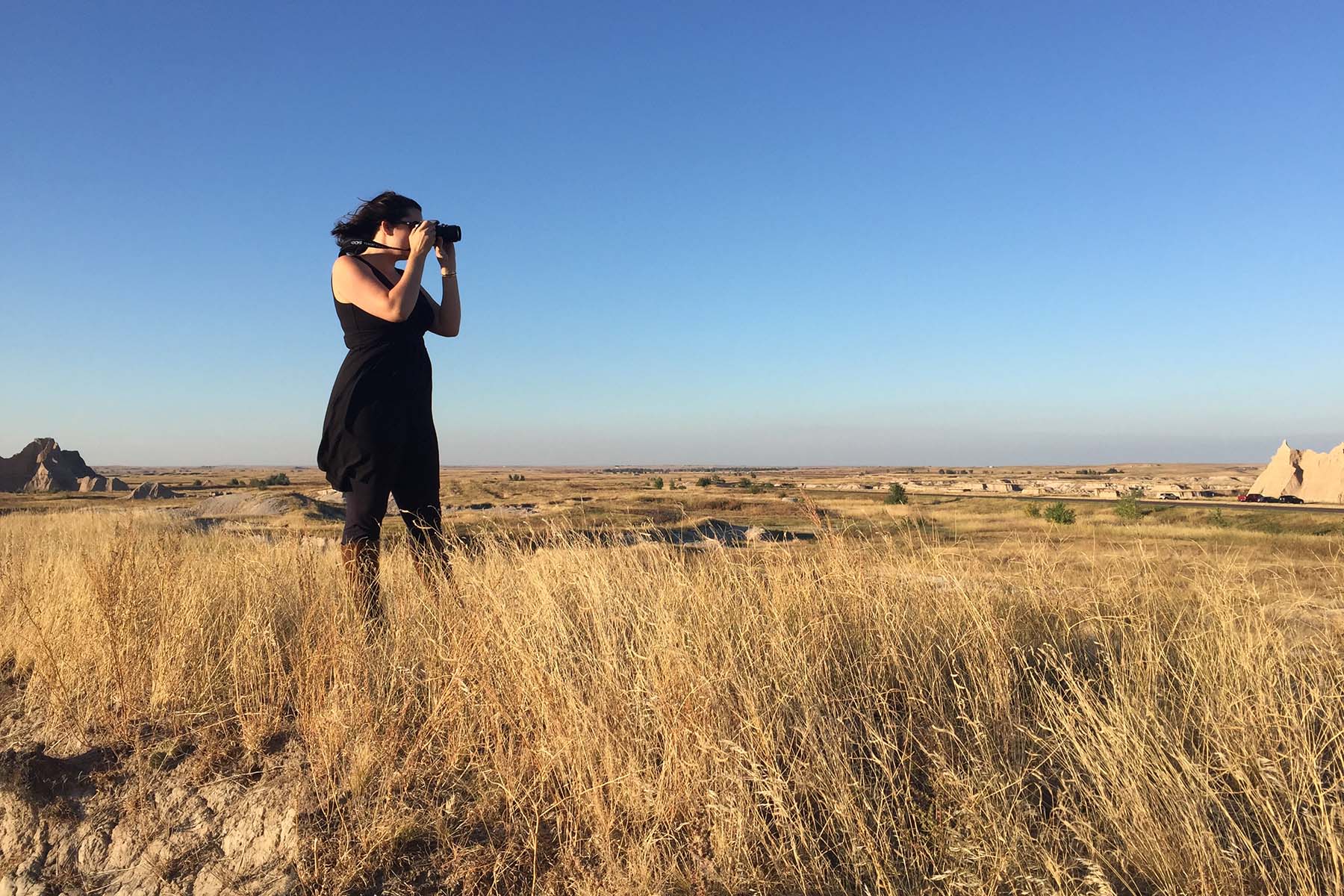
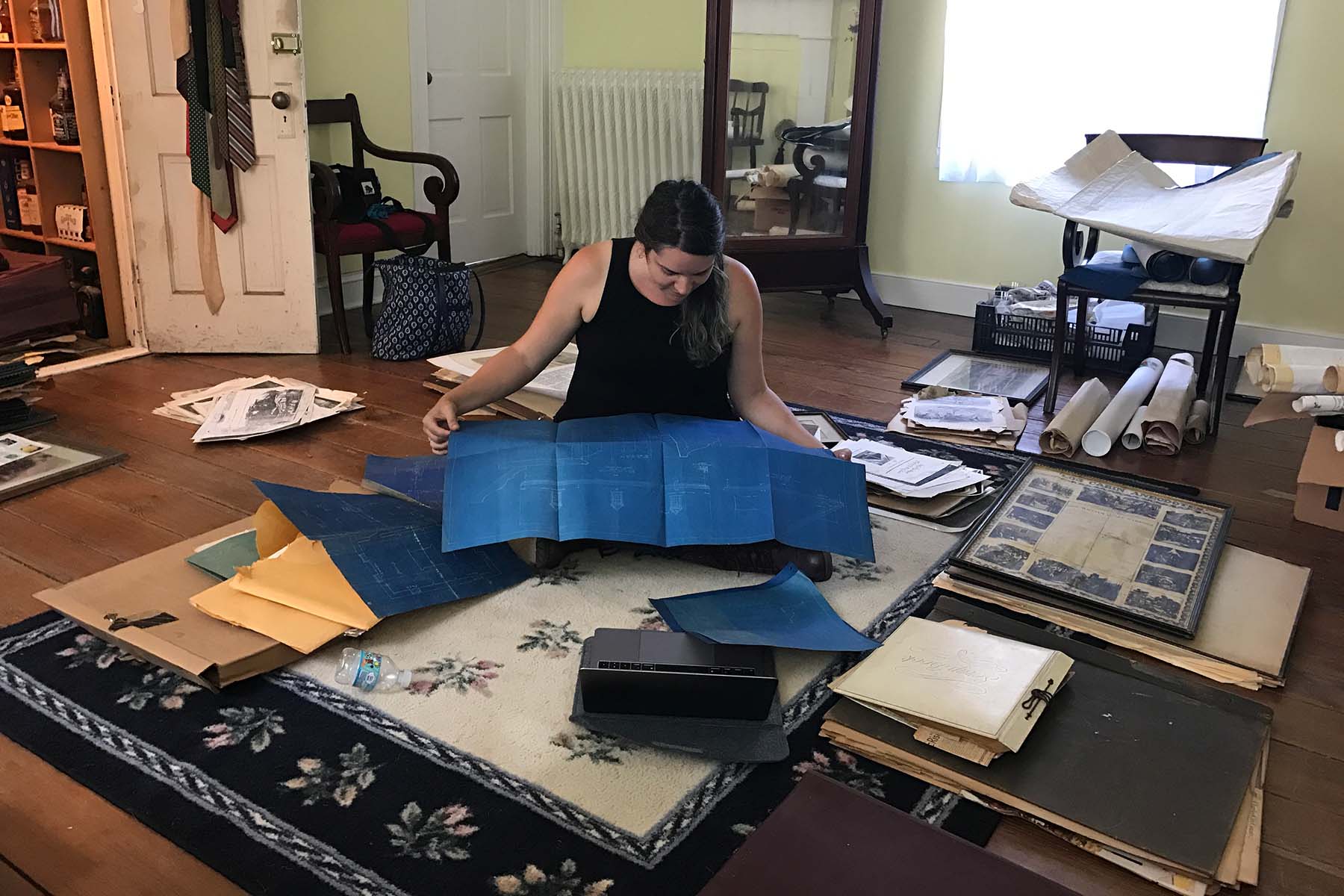
As an architectural historian, Conti examines how humans shape and build upon the natural environment and how these manmade structures shape society. She has worked on projects at historic sites across the U.S., including at Dr. Martin Luther King Jr.’s birth home in Atlanta, Georgia, and the Manhattan Project facilities in Los Alamos, New Mexico. Her in-progress book includes more than seven years of site analyses and oral history interviews in addition to research from 19 U.S. archives to analyze the architectural legacy of slavery and its related challenges within the field of historic preservation.
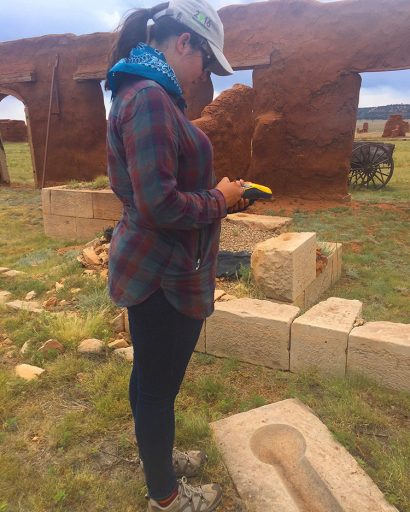
“My research helps people and communities preserve the stories and places that matter to them — for us today but also for future generations,” Conti said. “Much of my work focuses on making history accessible and interesting to the public. For example, if you visit a national park, what objects are on display at the museum? How do you get to interact with the exhibits and the landscape? What does the guided tour say, and is it done in a way that is engaging and interesting?”
Beyond cultivating connections, historic preservation activities are also economically relevant. Each year in Florida, historic preservation generates $13 billion and more than 120,000 jobs, with 63 million people visiting at least one historic site, according to the Florida Trust for Historic Preservation.
“Kathleen is a gifted historian of built environments,” said Department of History Chair Jennifer Koslow. “She often studies spaces that we would like to forget because of the difficult stories they contain, especially of pain and loss. Her expertise in architectural history and historic preservation allows her to analyze the physical and the emotional aspects of the past that inform our present.”
The MacDowell fellowship is Conti’s latest award. She was recently selected for the five-week Interdisciplinary Residency program at the Oak Spring Garden Foundation in Virginia, an opportunity that will allow her to continue working on her book before she travels to New Hampshire.
To learn more about Conti’s work and historic preservation research conducted in the Department of History, visit history.fsu.edu.