

Key Points
- The FSU Health Research and Collaboration Building is a 137,000-square-foot facility that brings together medical research, clinical care and healthcare education, with advanced laboratories, simulation spaces and a family medicine practice serving more than 12,000 patients annually.
- The facility will accommodate more than 150 researchers and is expected to generate $217 million in annual economic impact while supporting more than 350 permanent jobs.
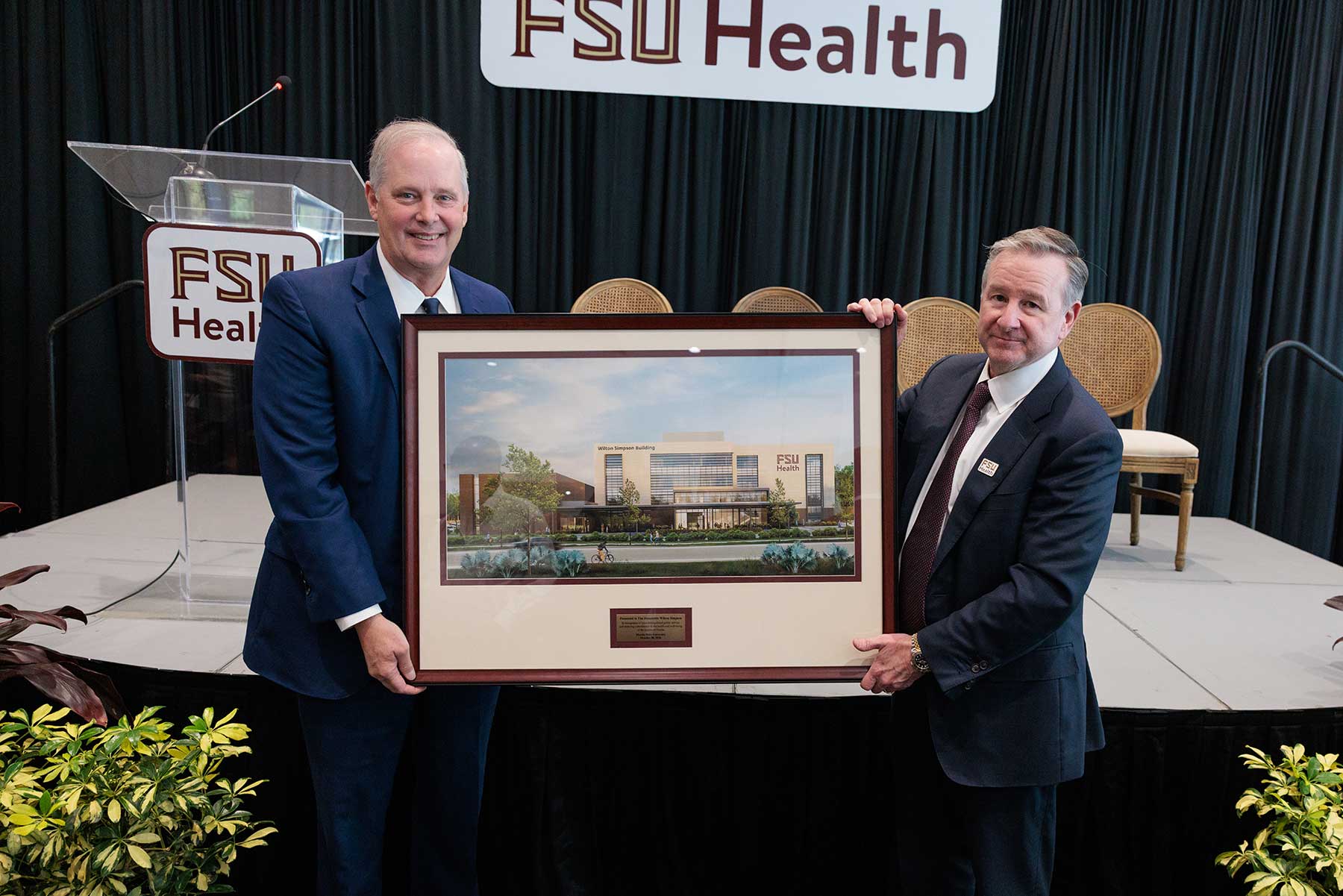
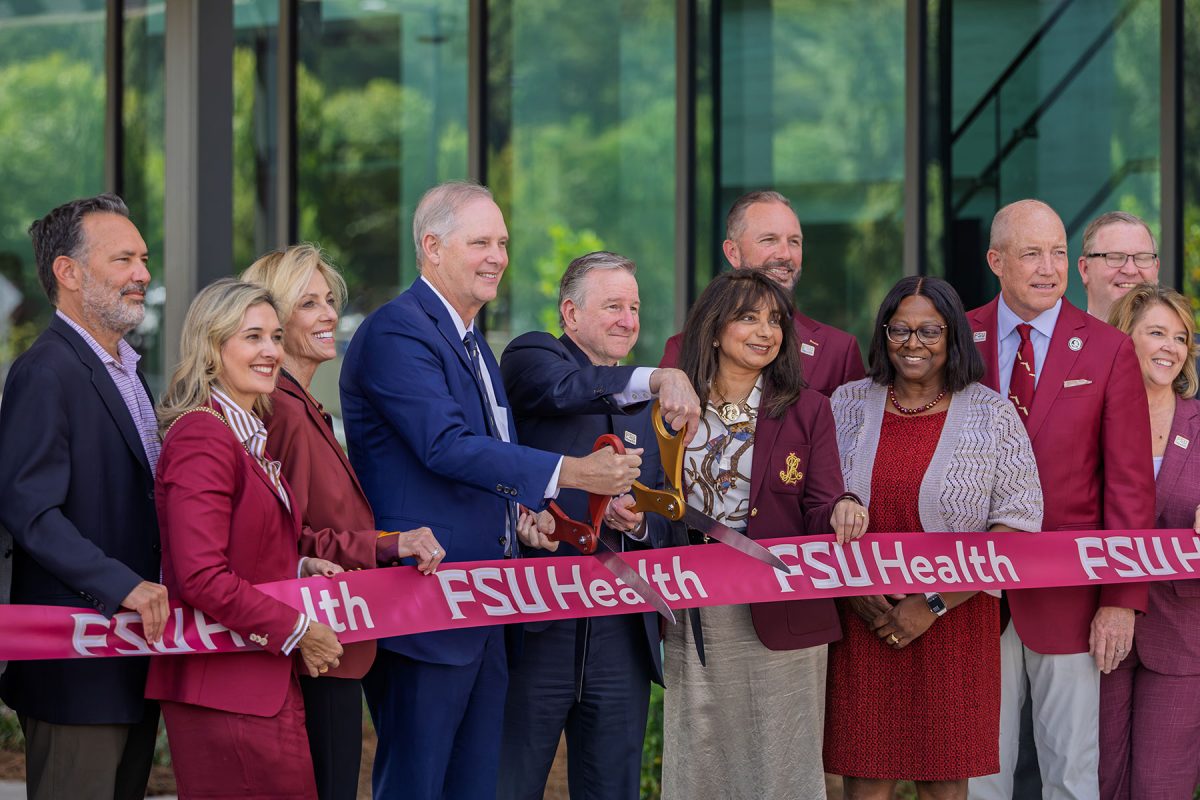
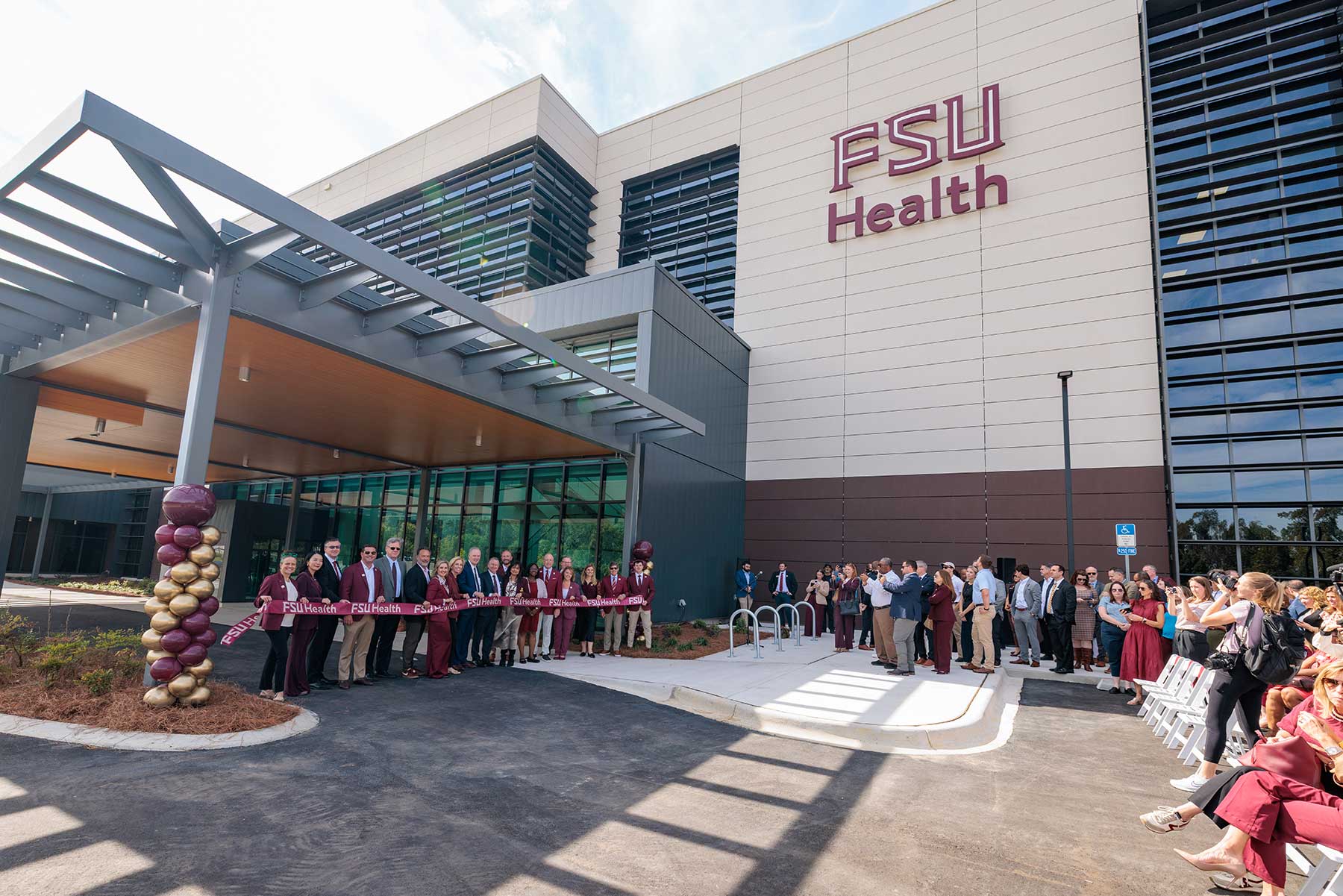
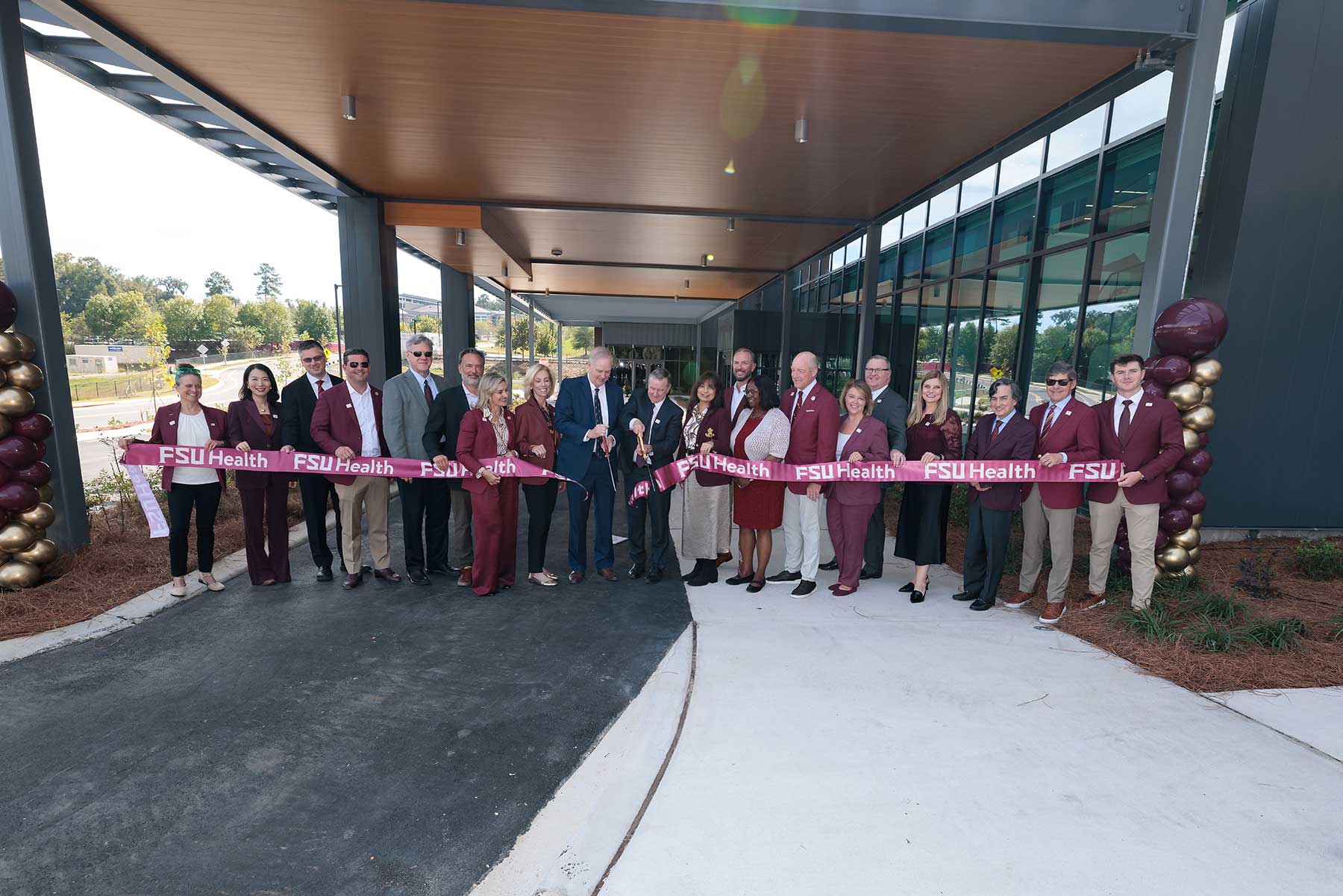
Florida State University cut the ribbon Friday on its new FSU Health Research and Collaboration Building and announced that the facility will be named for Florida Commissioner of Agriculture Wilton Simpson, whose leadership helped secure the funding that made the project possible.
The 137,000-square-foot facility, located on the FSU Health Tallahassee Memorial Hospital campus, marks a major milestone in the growth of FSU’s integrated academic health system. It brings clinicians, researchers, students and community partners together under one roof to advance medical research, train healthcare professionals and improve patient care.
The FSU Board of Trustees voted Friday morning to name the facility the Wilton Simpson FSU Health Research and Collaboration Building. As Florida Senate president in 2022, Simpson championed the project, helping secure $125 million in construction funding and an additional $20 million in recurring funding for FSU and its growing health enterprise.
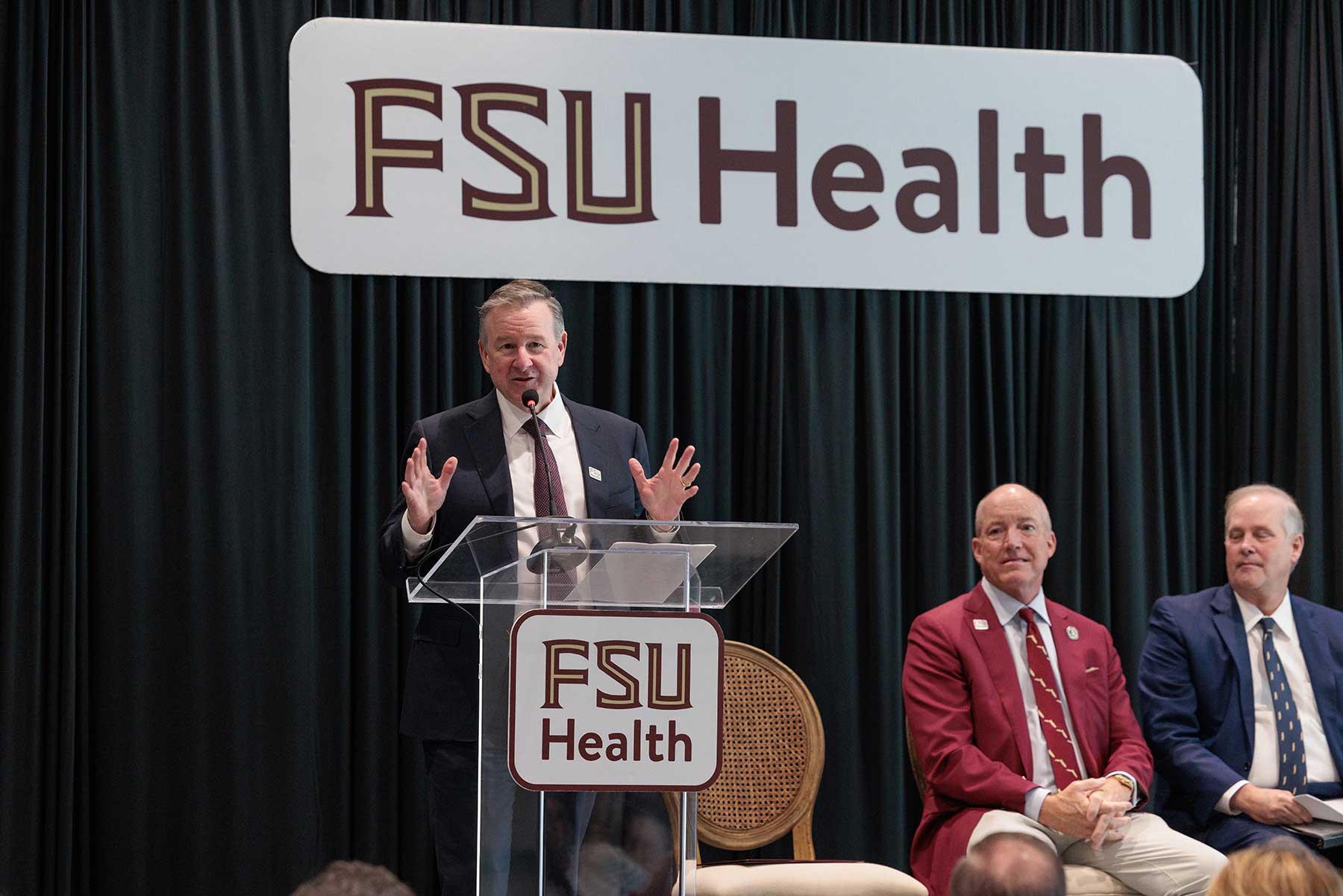
FSU President Richard McCullough recalled meeting with Simpson early in his presidency to discuss his vision for transforming healthcare in North Florida. When McCullough outlined the proposed research building and its $125 million price tag, Simpson’s response was immediate.
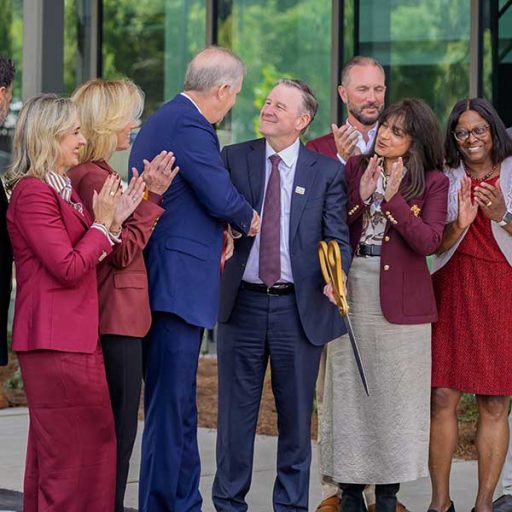
“He said, ‘Done,'” McCullough recalled.
McCullough said Simpson’s support reflected his understanding of the project’s potential impact.
“What I appreciate most about Wilton Simpson is that he saw what this could mean for the people of Florida,” McCullough said. “He understood that this was ultimately about improving health, expanding access to care, strengthening our healthcare workforce and creating opportunities that did not exist before.”
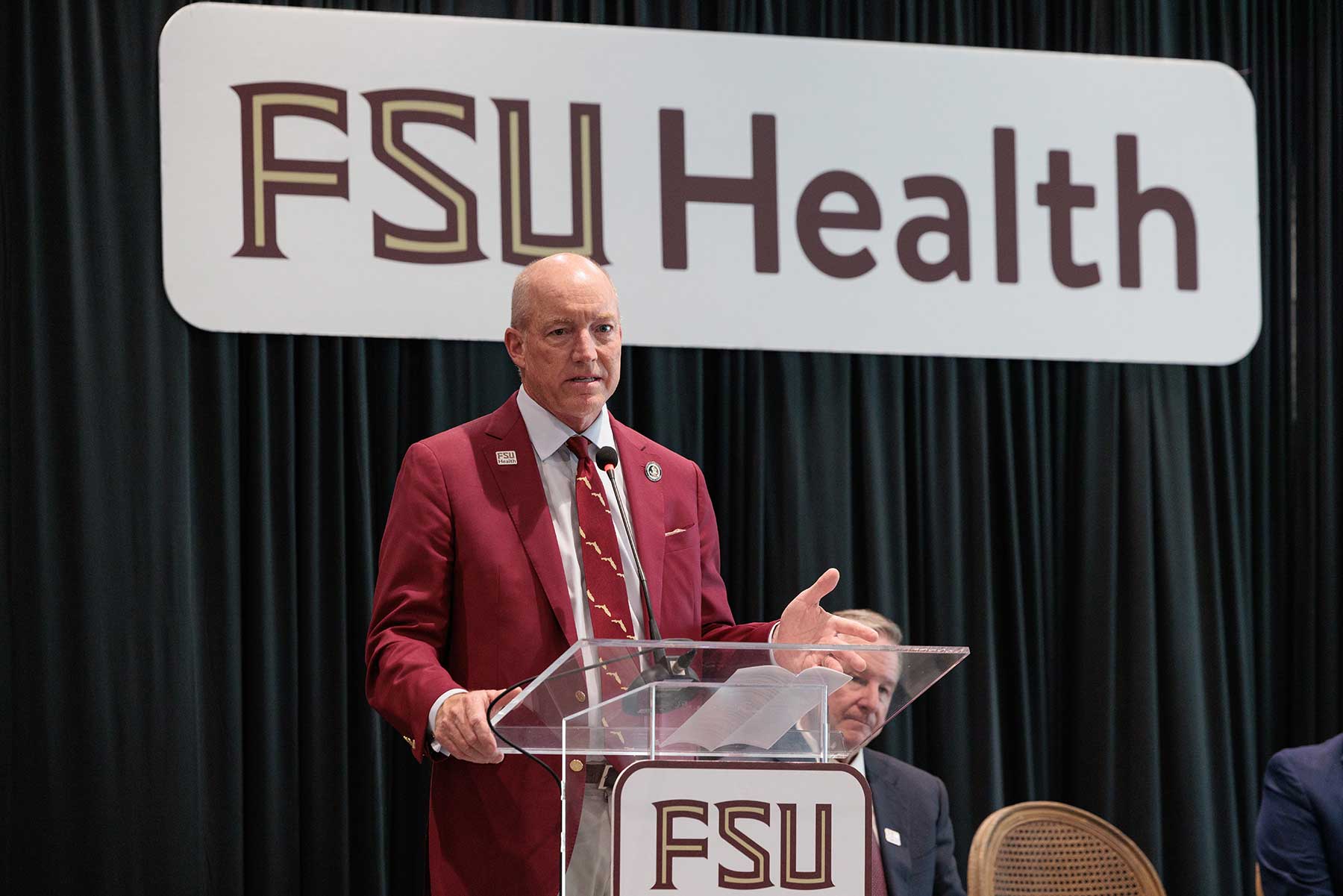
Simpson said he was surprised by the naming announcement but proud of what FSU Health will mean for the region.
“If you care about your community, you care about the quality of care,” Simpson said. “The research that will be done on these floors behind me will save lives and improve the quality of life of so many.”
More than 250 people attended the ribbon-cutting and dedication, including FSU trustees, university and hospital officials, government and business leaders, and community partners.
McCullough thanked Gov. Ron DeSantis, the Florida Legislature, the Florida Board of Governors, the Leon County Board of County Commissioners and the Tallahassee City Commission for supporting the project.
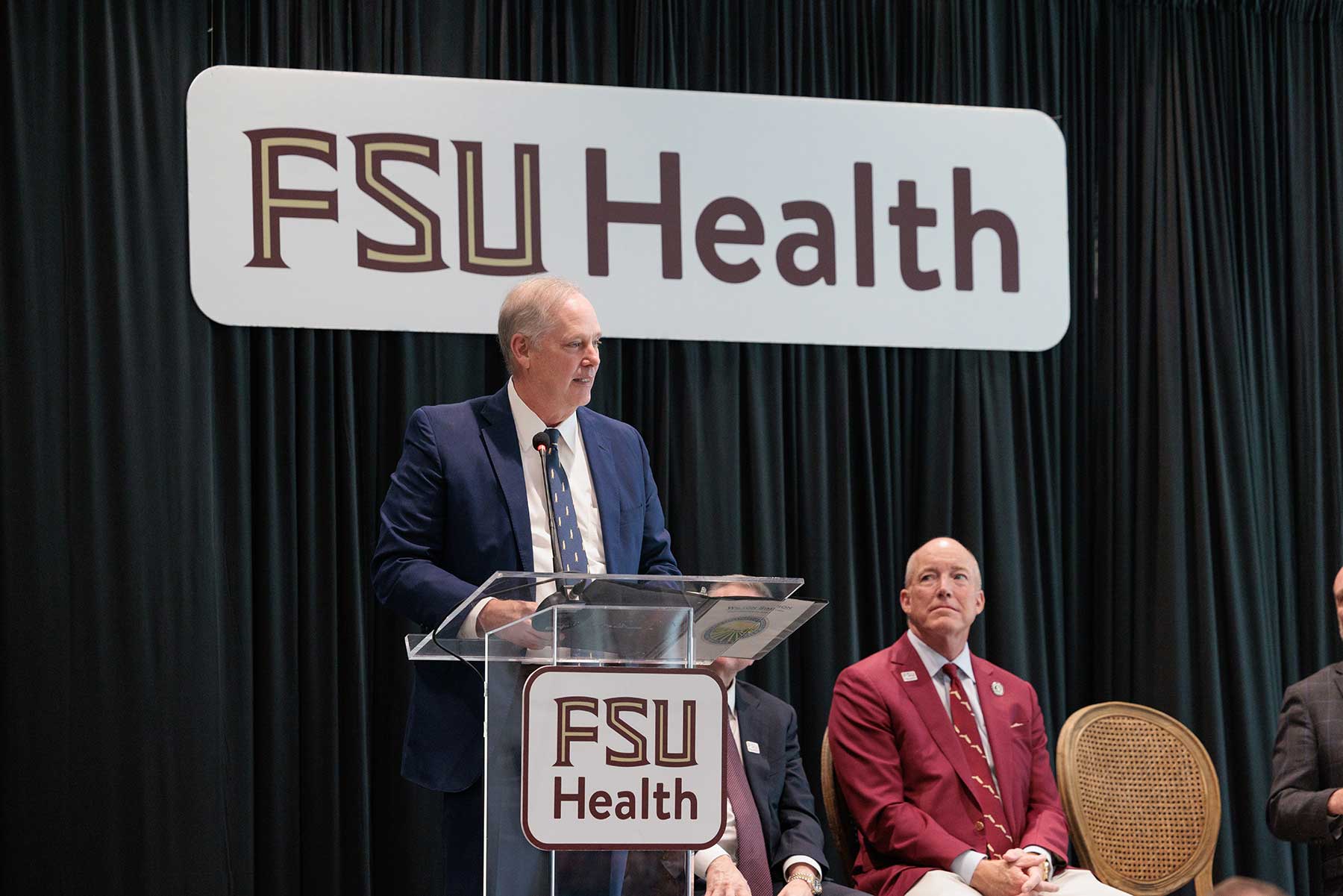
FSU Board of Trustees Chair Peter Collins said the building will help shape the university’s future for the next 10 to 15 years, calling it one of the most transformational investments in FSU’s history.
“The really cool thing about being a trustee is at these moments, right? When you build something tangible,” Collins said. “This is going to be transformational.”
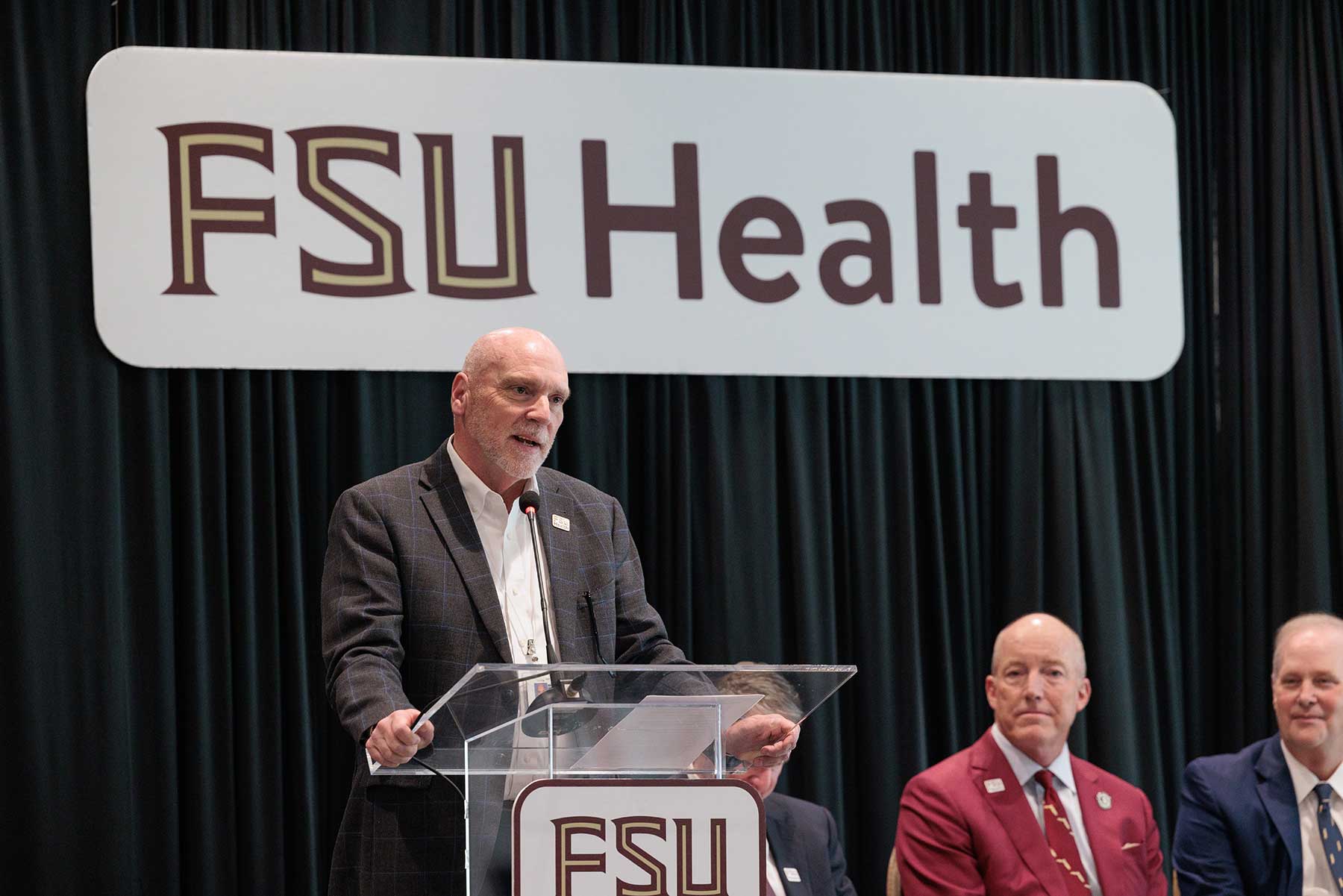
Mark O’Bryant, president and CEO of Tallahassee Memorial HealthCare, said the building will give patients access to more advanced care closer to home while supporting research that could lead to new treatments and save lives.
“This building represents a huge strengthening of that fabric, and it really helps us to complete the fabric of healthcare in our region,” O’Bryant said.
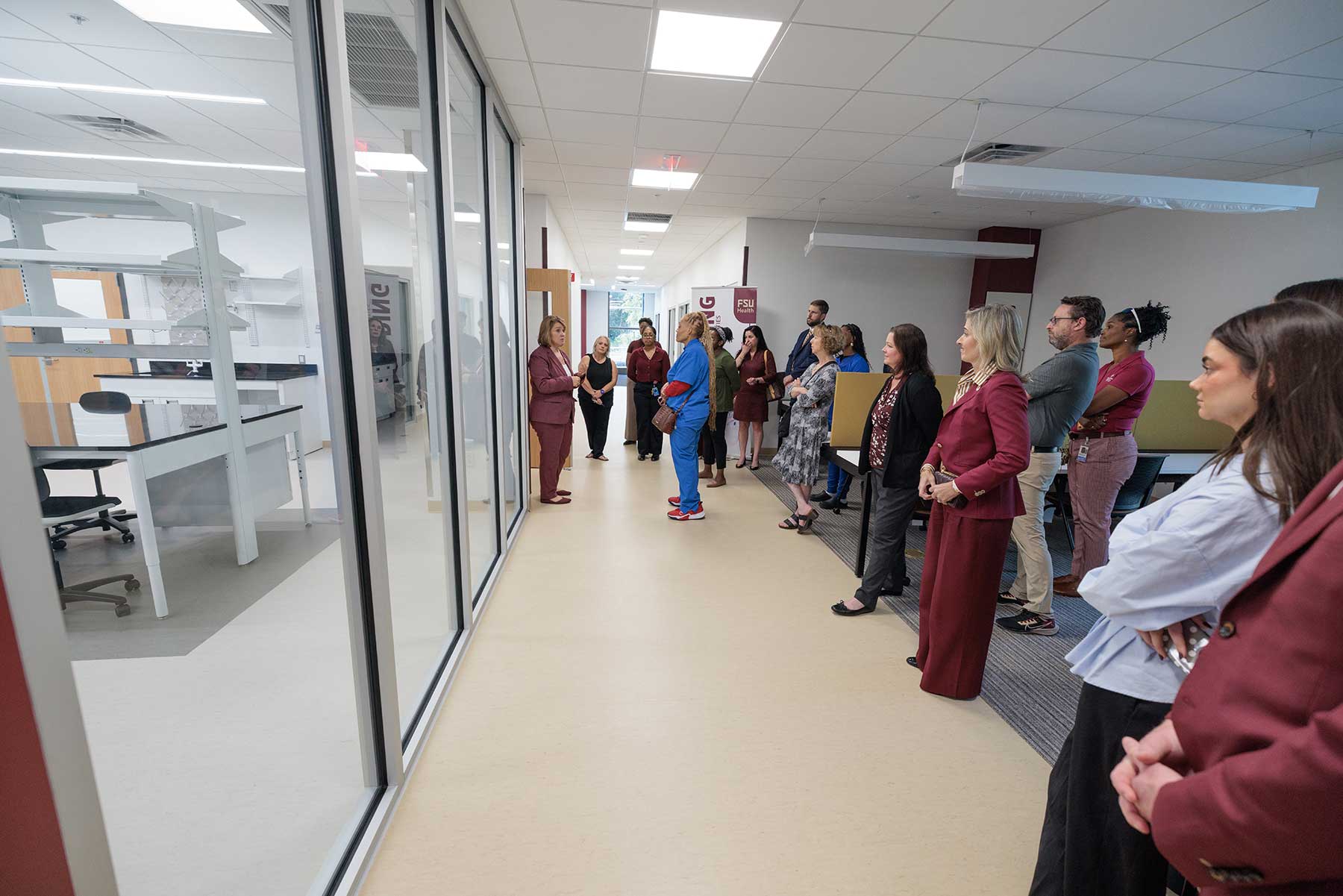
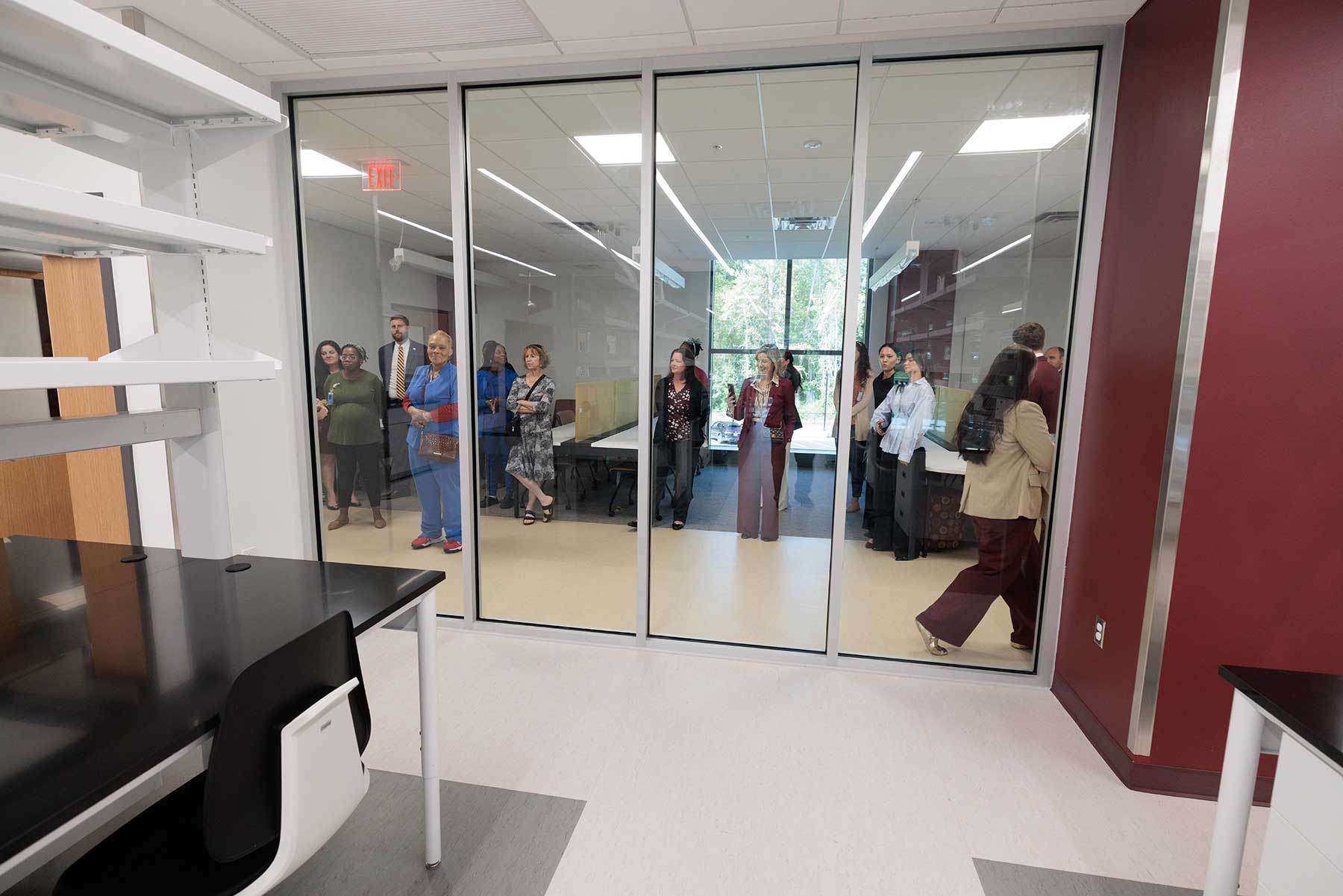
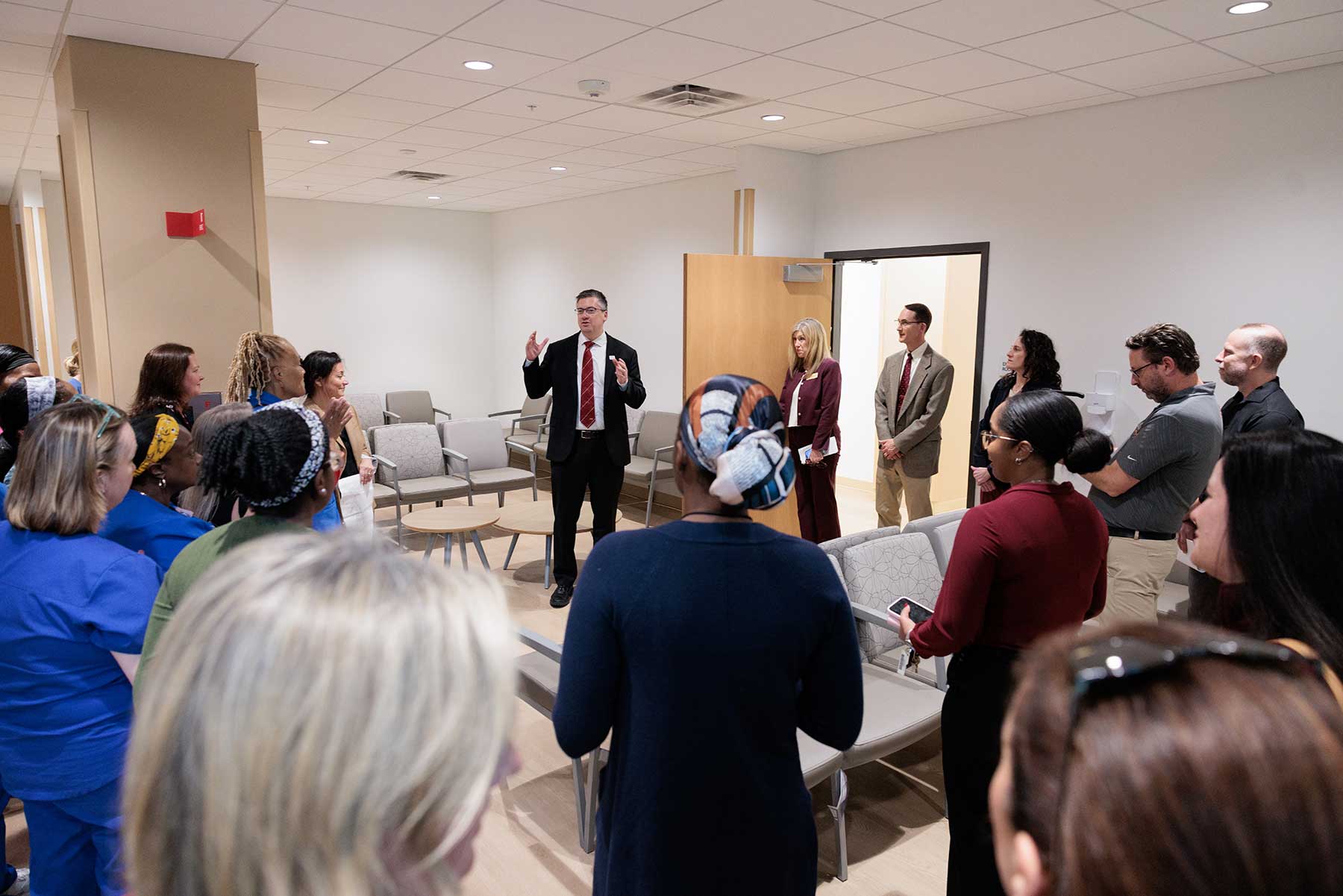
After the ceremony, guests toured the building and learned about its clinical, educational and research facilities from FSU Vice President for Research Stacey S. Patterson, Vice President and Chief Clinical Operations Officer Jeremy Slaga, College of Medicine Dean Alma Littles, and College of Nursing Dean Jing Wang.
The first floor houses the FSU Family Medicine Residency practice, which serves more than 12,000 patients annually, along with space for community education, professional training and other health-related programs.
The second floor features simulation spaces that replicate real-world care environments, including operating rooms, hospital rooms, and a fully equipped one-bedroom apartment. Students, medical residents and health care professionals will train with standardized patients and virtual-reality technology, preparing them to provide care in hospitals, clinics and patients’ homes.
The third and fourth floors are dedicated to biomedical, clinical and translational research. They include wet labs for tissue culture, biobanking and gene-editing technologies, along with exam and procedure rooms that will help researchers move discoveries into patient care.
The $137.5 million facility will accommodate more than 150 researchers and is expected to attract $40 million in grant funding annually. The building is projected to generate more than $217 million in annual economic impact and support more than 350 permanent, high-paying jobs.
The ribbon-cutting comes just weeks after FSU and Tallahassee Memorial HealthCare finalized agreements in late September establishing a long-term framework for FSU Health. The partnership encompasses patient care, medical education and research at FSU Health Tallahassee Memorial Hospital and the future FSU Health hospital in Panama City Beach, which is expected to open in 2028.