



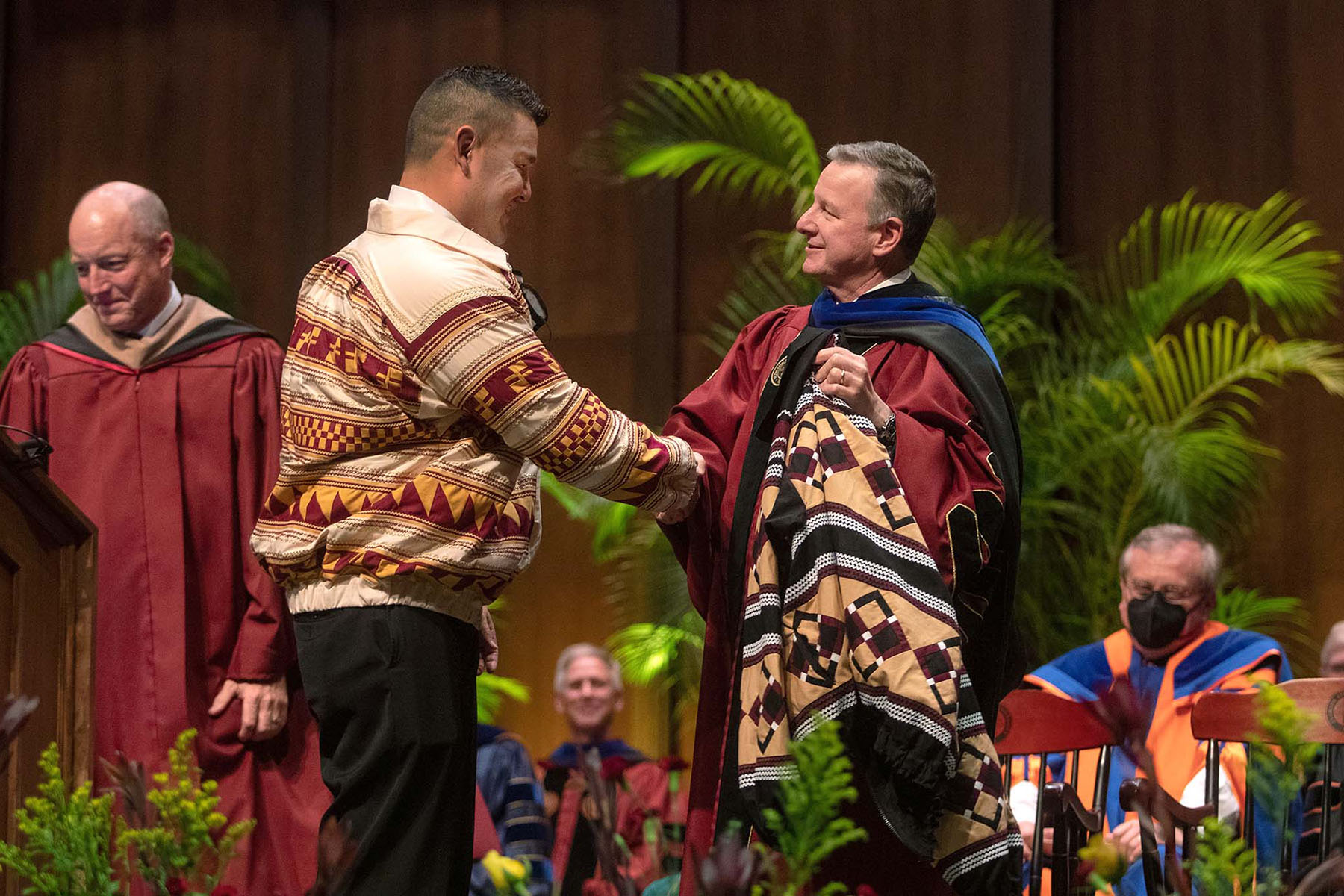
For more than 75 years, Florida State University has been proudly connected to the Seminole name. The relationship has evolved far beyond athletics into a decades-long collaborative partnership with the Seminole Tribe of Florida, built on consultation and mutual respect.
“Florida State University’s most cherished relationship is with the Seminole Tribe of Florida,” said President Richard McCullough. “Built on friendship, mutual respect and support for one another, this partnership has grown stronger and deeper over the years as we continue to explore new ways to work together for the benefit of the university and Tribe, as well as our state and nation.”
“Built on friendship, mutual respect and support for one another, this partnership has grown stronger and deeper over the years as we continue to explore new ways to work together for the benefit of the university and Tribe, as well as our state and nation.”
— President Richard McCullough
As Florida State University celebrates its 175th anniversary, this relationship remains central to the university’s identity and responsibilities.
“This is a wonderful opportunity to celebrate our longstanding relationship with the Seminole Tribe of Florida,” said FSU First Lady Jai Vartikar, who is leading the yearlong anniversary celebration. “We are honored to call ourselves Florida State Seminoles, a responsibility that is shared by our entire university community to represent the name with dignity and respect. This revered tradition is an important part of our history.”
Origins
After FSU became coeducational in 1947, students selected the name “Seminoles.” At the time, the decision was made without consultation or permission from the Seminole Tribe of Florida.
Over the past 80 years, however, the relationship has developed into one of the university’s most significant partnerships.
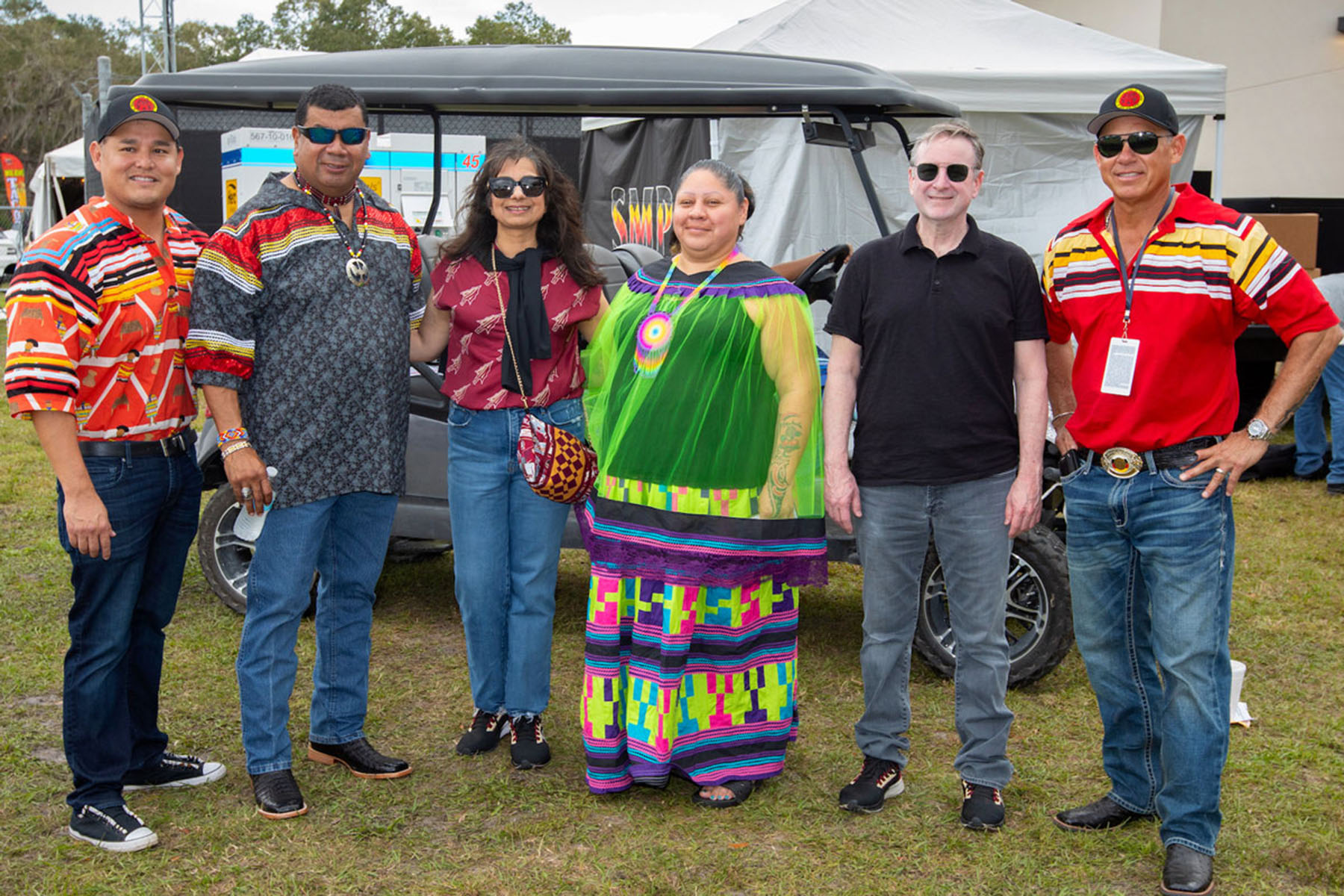
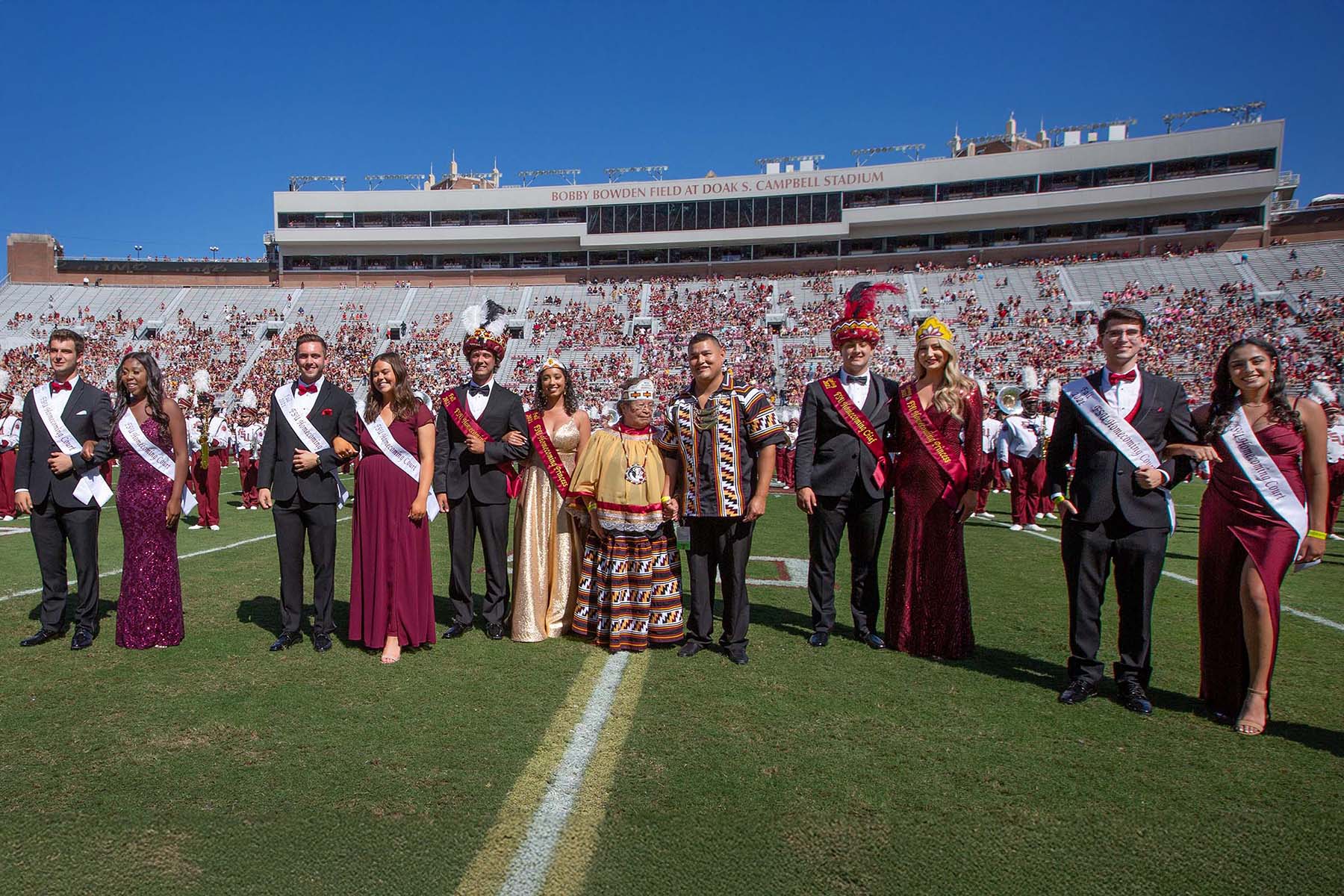
Realizing the need for input from those being represented, the university moved toward formal consultation with the Seminole Tribe of Florida in the 1970s. Seminoles attended homecoming festivities as official representatives for the first time in 1972. By 1978, at the direction of the Tribe, FSU replaced feathered headdresses with traditional Seminole turbans for its homecoming court. For several decades, the Tribe’s own Miss Florida Seminole and Jr. Miss Florida Seminole have graciously participated in the university’s homecoming festivities. They crown the court with turbans created by Seminole women and present them with wood carvings that are also created by Tribal members.
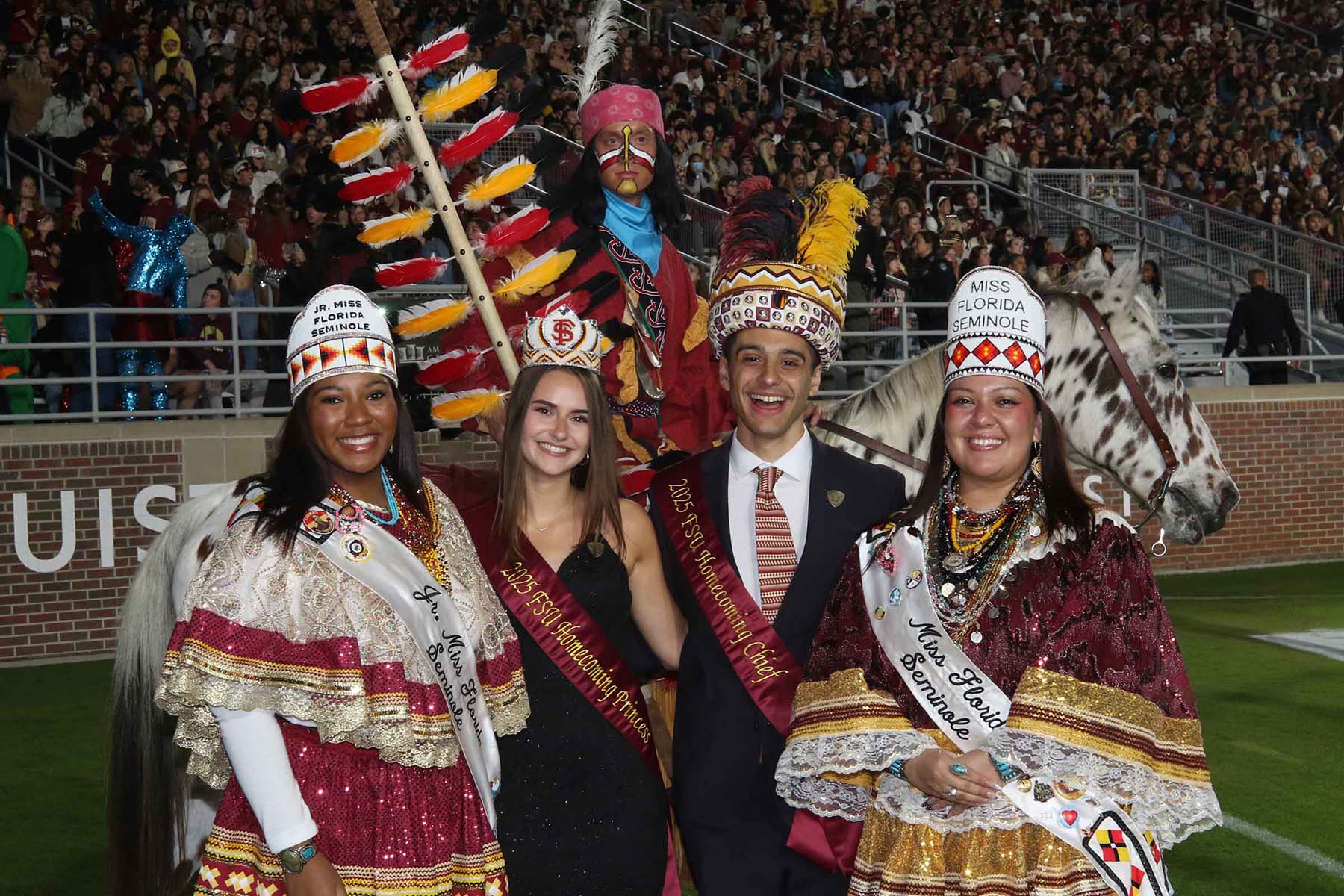
This era also saw the 1978 debut of the beloved Osceola and Renegade tradition, which was developed in direct consultation with Tribe Chairman Howard Tommie and FSU alumnus Bill Durham.
Durham pitched the idea to head football coach Bobby Bowden in the mid 1970s and was met with great enthusiasm. He then met with Howard Tommie, then chairman of the Seminole Tribe of Florida, who did more than just sanction the tradition. Tommie arranged to have tribal members design the clothing worn by the FSU student depicting Osceola and created the parameters that control how and where Osceola and Renegade can appear today.
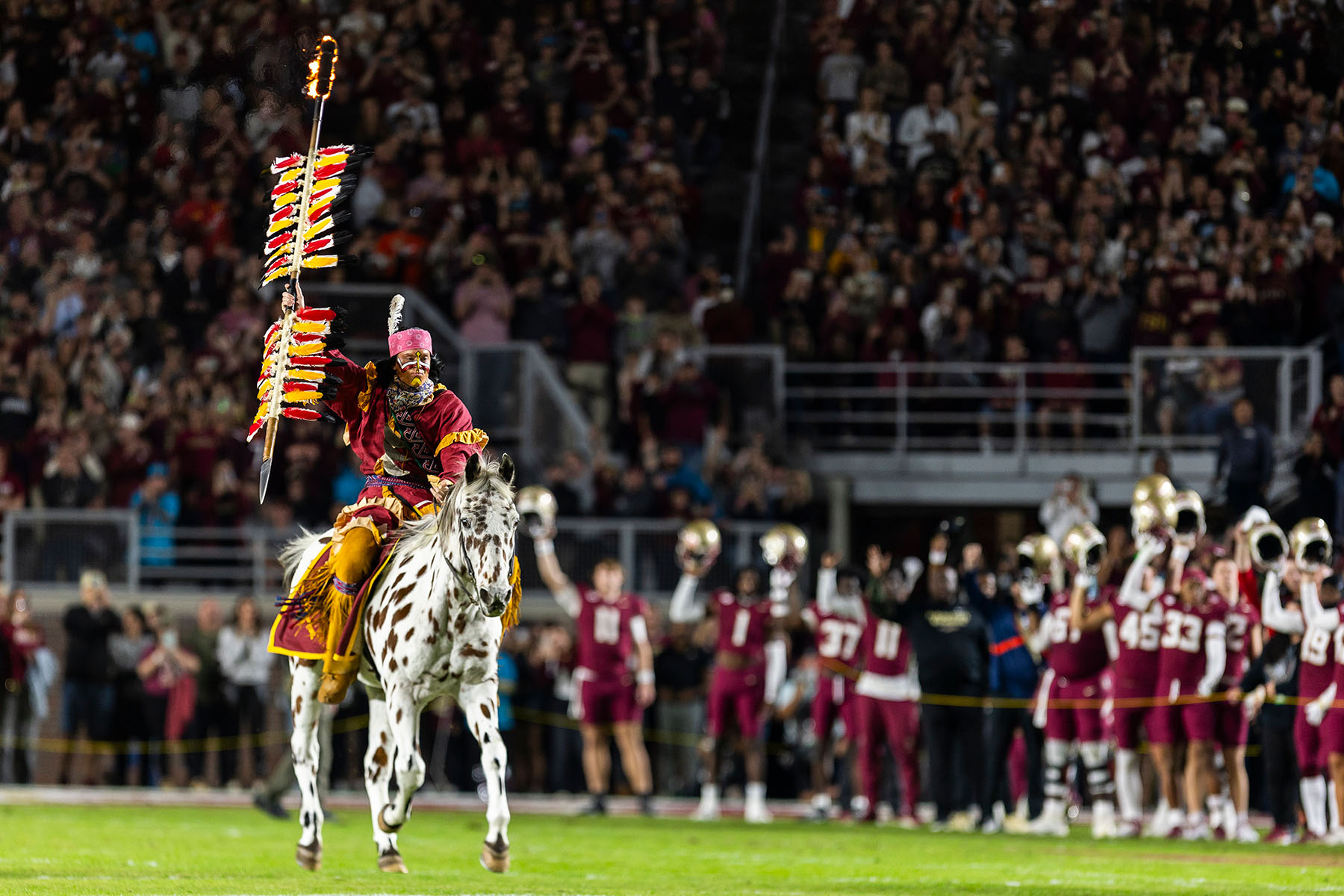
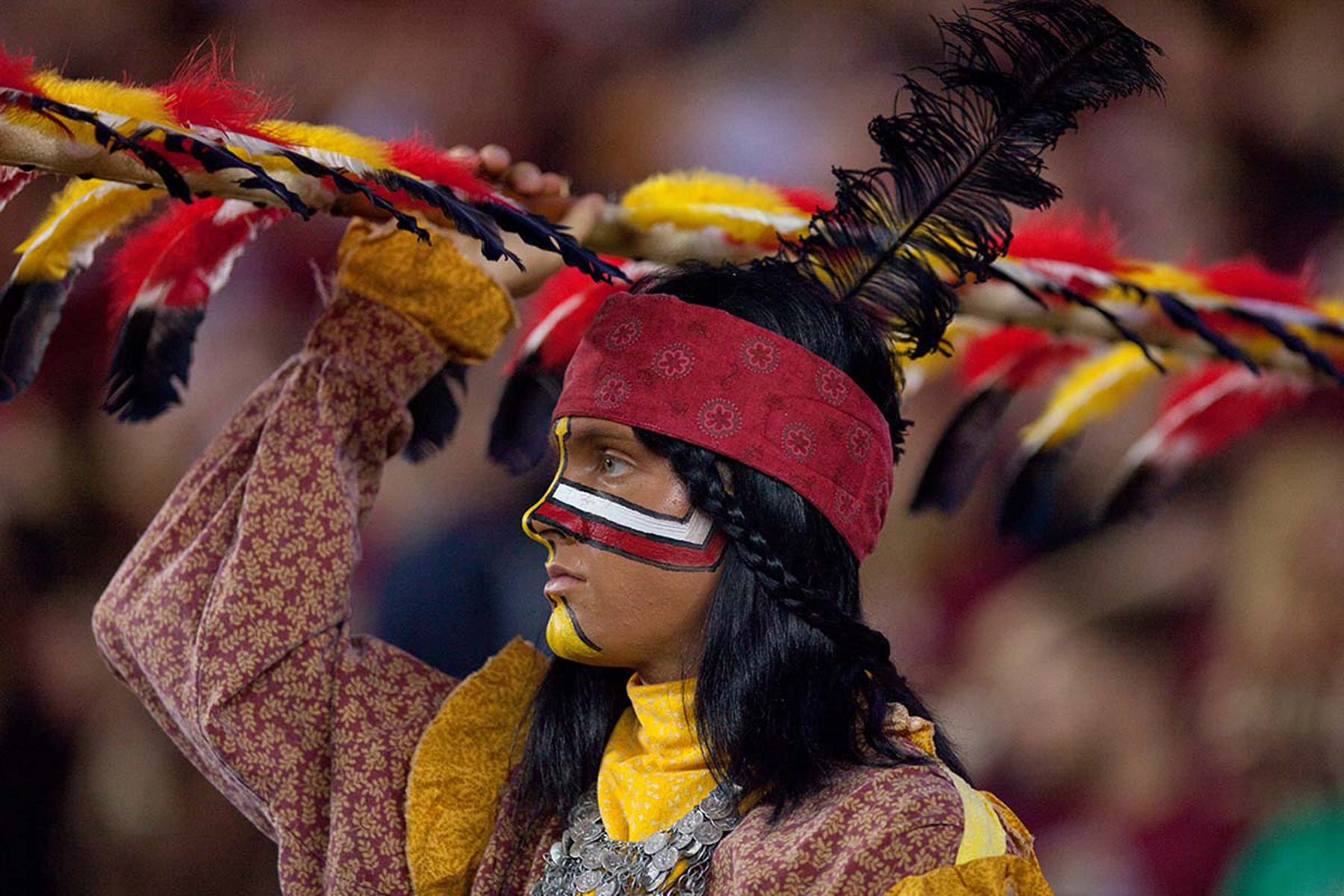
Today, Seminole women still design and produce the clothing to approximate what Osceola wore in a 19th-century portrait, including the long shirt, color scheme, metal gorgets and headwear. Other parts of Osceola’s portrayal carry little connection to the life of Seminole people or Osceola the warrior. These alterations, including the face paint, occur with Seminole approval and the Durham family continues to independently direct this program.
“Those little differences don’t bother us,” Jim Shore, citizen and legal counsel for the Seminole Tribe of Florida, said in 2005. “An (actual) Seminole warrior of the 1800s couldn’t be depicted in modern time. But this character has a great resemblance to what he should be. It’s modernized, not theatrical. The school has checked with us, over and over again. And we have no objections to how he’s portrayed. It’s always respectful.”
A defining moment
Throughout the 1980s and 1990s, the Seminole Tribe of Florida publicly voiced its support for Florida State University’s use of the Seminole name, reflecting a growing sense of pride and partnership.
The relationship reached a pivotal turning point in 2005, when the NCAA instituted a policy restricting the use of Native American names and imagery in collegiate athletics. In response, the Seminole Tribe exercised its sovereign authority by passing a formal resolution endorsing FSU’s continued use of the Seminole name.
This endorsement not only affirmed the Tribe’s approval but also set FSU apart as a rare exception within the NCAA — grounded in explicit tribal consent rather than mere tradition. FSU does not designate a mascot; instead, it upholds a symbol that is both respected and honored.
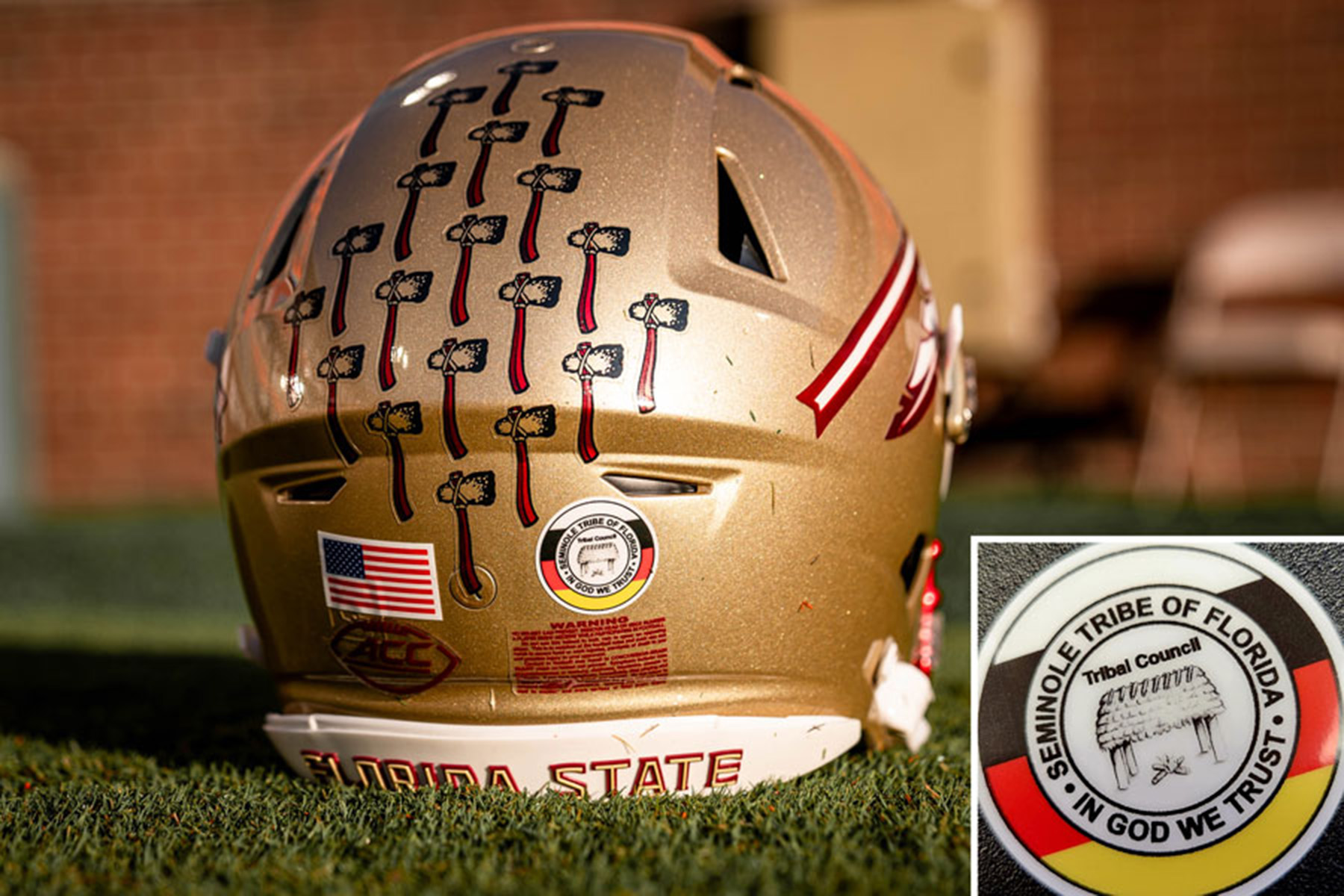
In 2014, the collaboration expanded to the redesign of FSU’s athletic uniforms, incorporating monochromatic replicas of three distinctive Seminole patchwork symbols: arrow, man on horse, and fire. Football players began wearing stickers featuring the Tribe’s official seal on their helmets, a visible sign of mutual respect and cooperation.
Building on this foundation, FSU Athletics began hosting annual Seminole Heritage games in 2023. During these events, teams honor the Tribe by wearing turquoise — a color symbolizing harmony, friendship and fellowship in Native American culture. Merchandise from the games supports the Native American and Indigenous Studies Center, benefiting Indigenous youth at FSU and furthering public education about the Tribe.
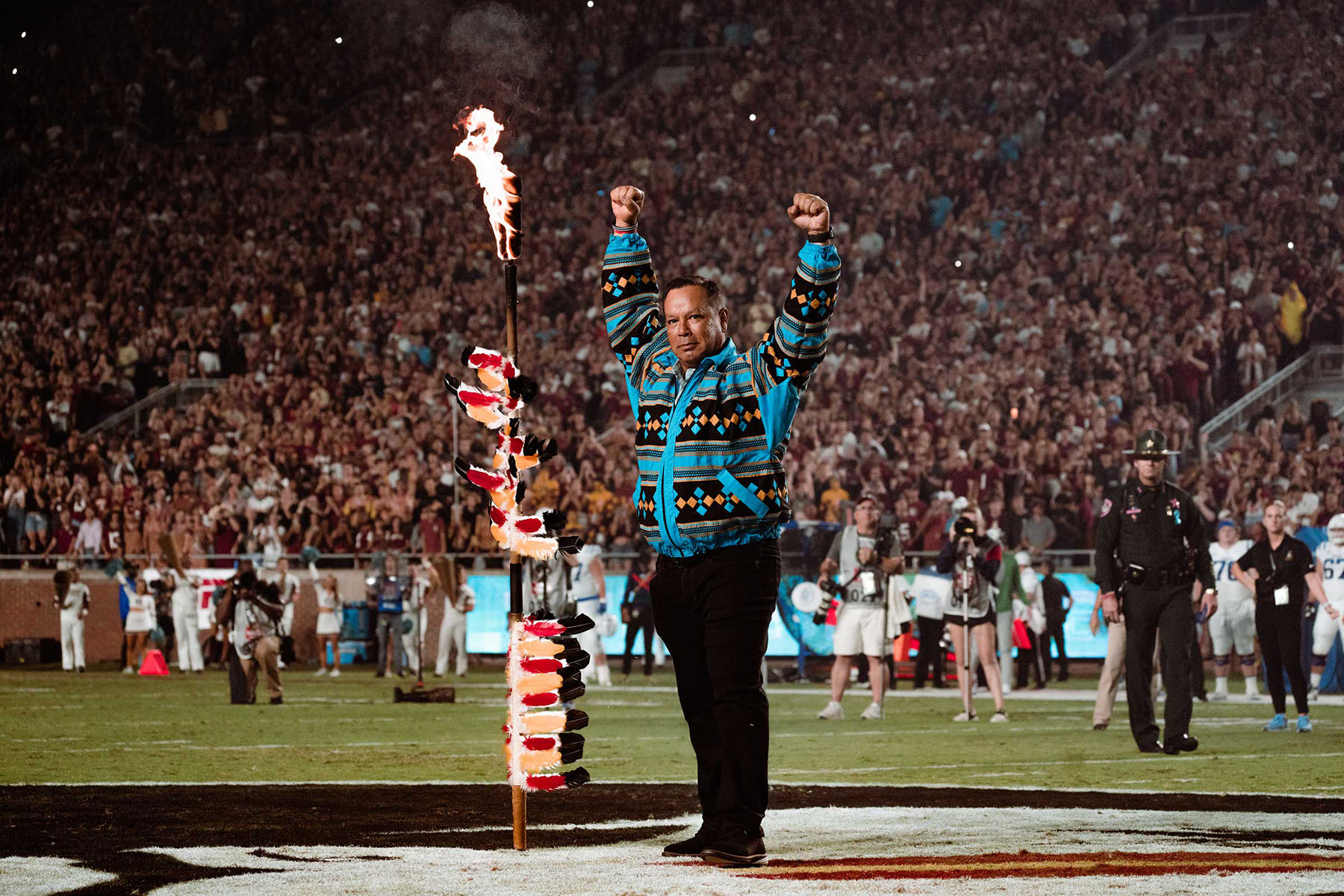
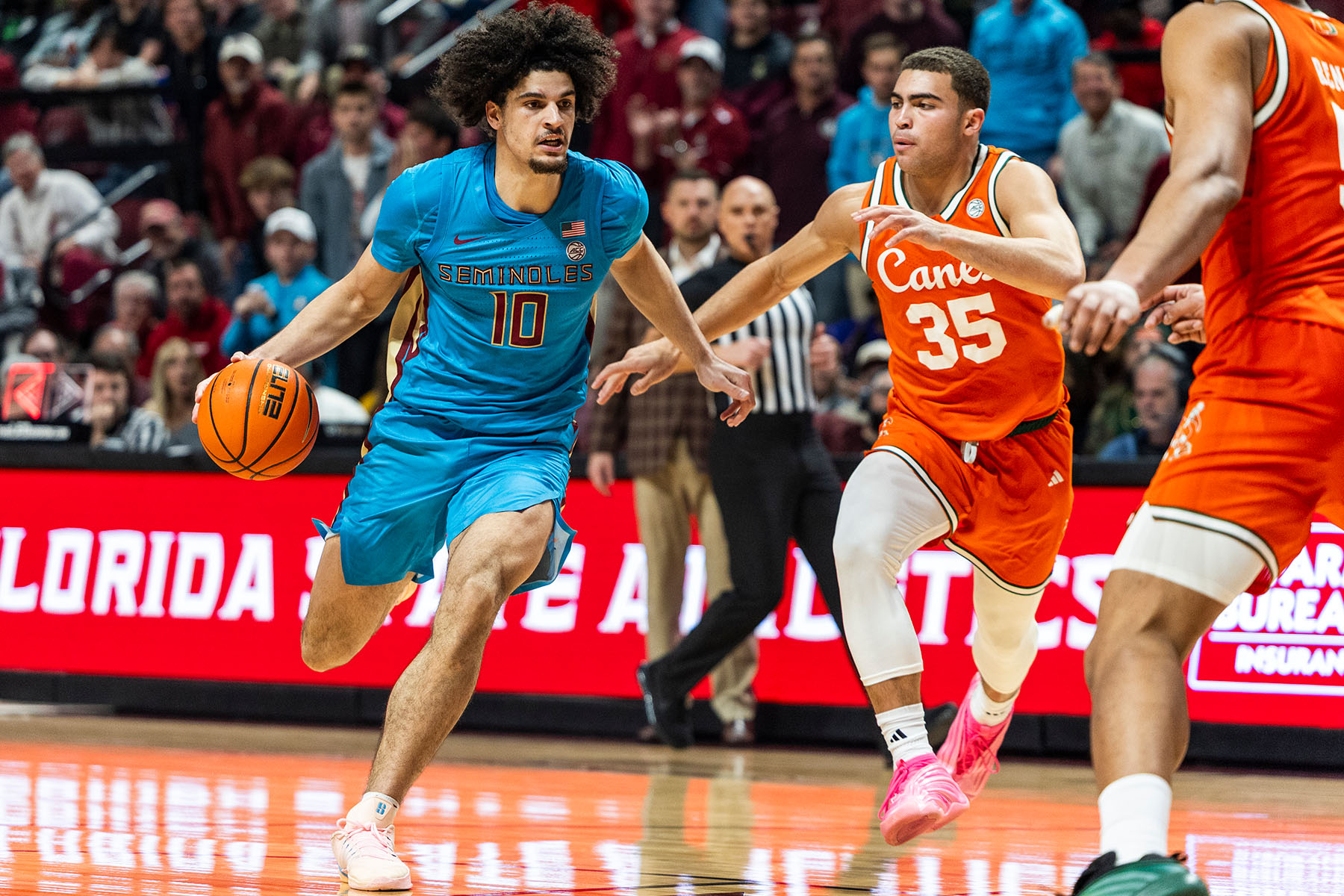
FSU is among a select group of institutions that regularly wear Nike’s turquoise N7 basketball jerseys, supporting sports and physical activity programs for Native American and Indigenous youth.
These initiatives reflect the broader evolution of FSU’s partnership with the Seminole Tribe of Florida — a relationship characterized by mutual respect and cultural celebration. As FSU continues to work with the Tribe, outdated imagery is replaced with symbols and practices that honor the true history and values of the Seminole people.
Collaboration beyond athletics
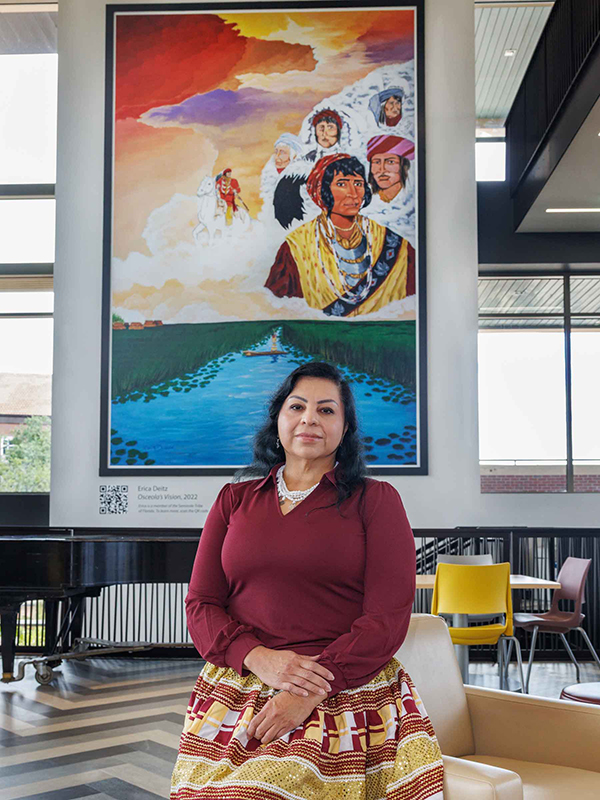
In recent years, the partnership between Florida State University and the Seminole Tribe of Florida has expanded beyond athletics, embedding itself within the academic and cultural fabric of the university. The ongoing relationship with the Seminole Tribe is reflected at the FSU Student Union, which, since 2022, features “Osceola’s Vision,” a striking 24-by-16-foot mural by Seminole artist Erica Deitz. Prominently displayed at the center of campus, the mural stands as a tribute to the Tribe and a visual reminder of the importance of honoring the Seminole name and legacy.
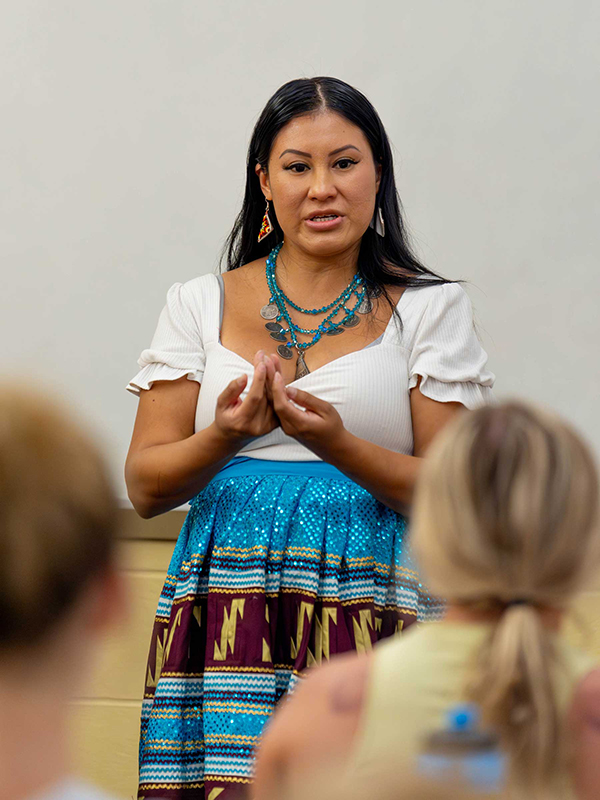
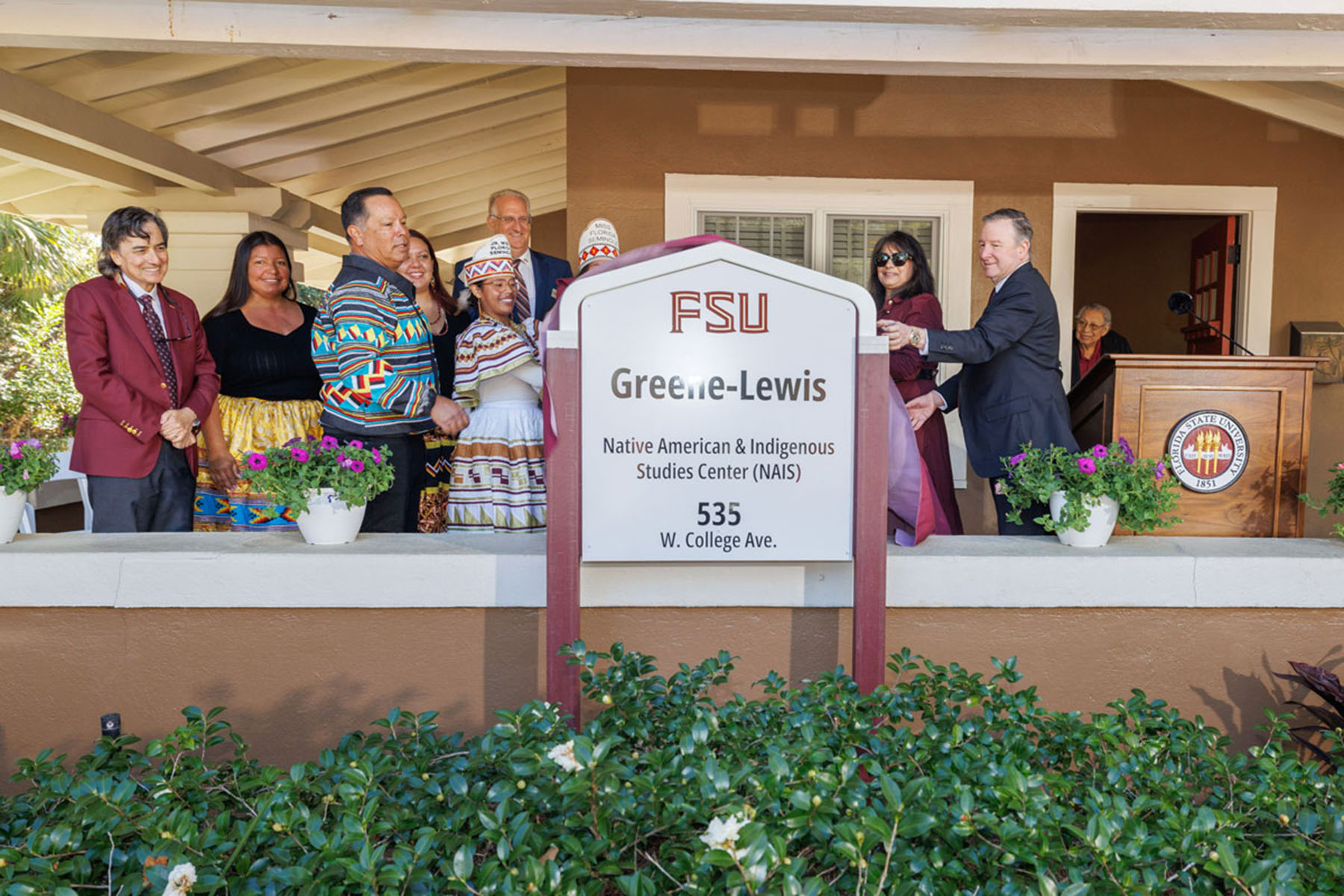
Furthering these efforts, FSU launched the Native American and Indigenous Studies (NAIS) Center in 2023, dedicating its permanent home near the Westcott Building in November 2024. The NAIS Center serves as a hub for Native American and Indigenous research, artistic practice, and educational initiatives. Through collaborative scholarship, the center fosters ongoing partnerships with tribal nations and community leaders, ensuring that the expertise and perspectives of the Seminole Tribe are central to academic conversations and projects. “The NAIS Center is continually trying to flip the script and allow the expertise of the Seminole Tribe to be at the forefront of our conversations,” said Andrew Frank, the center’s director. “By treating the Seminoles as real partners who have deep knowledge on a host of issues, we can identify spaces where we can work as peers rather than as subjects to be studied. I am really excited to see where this relationship can take us.”
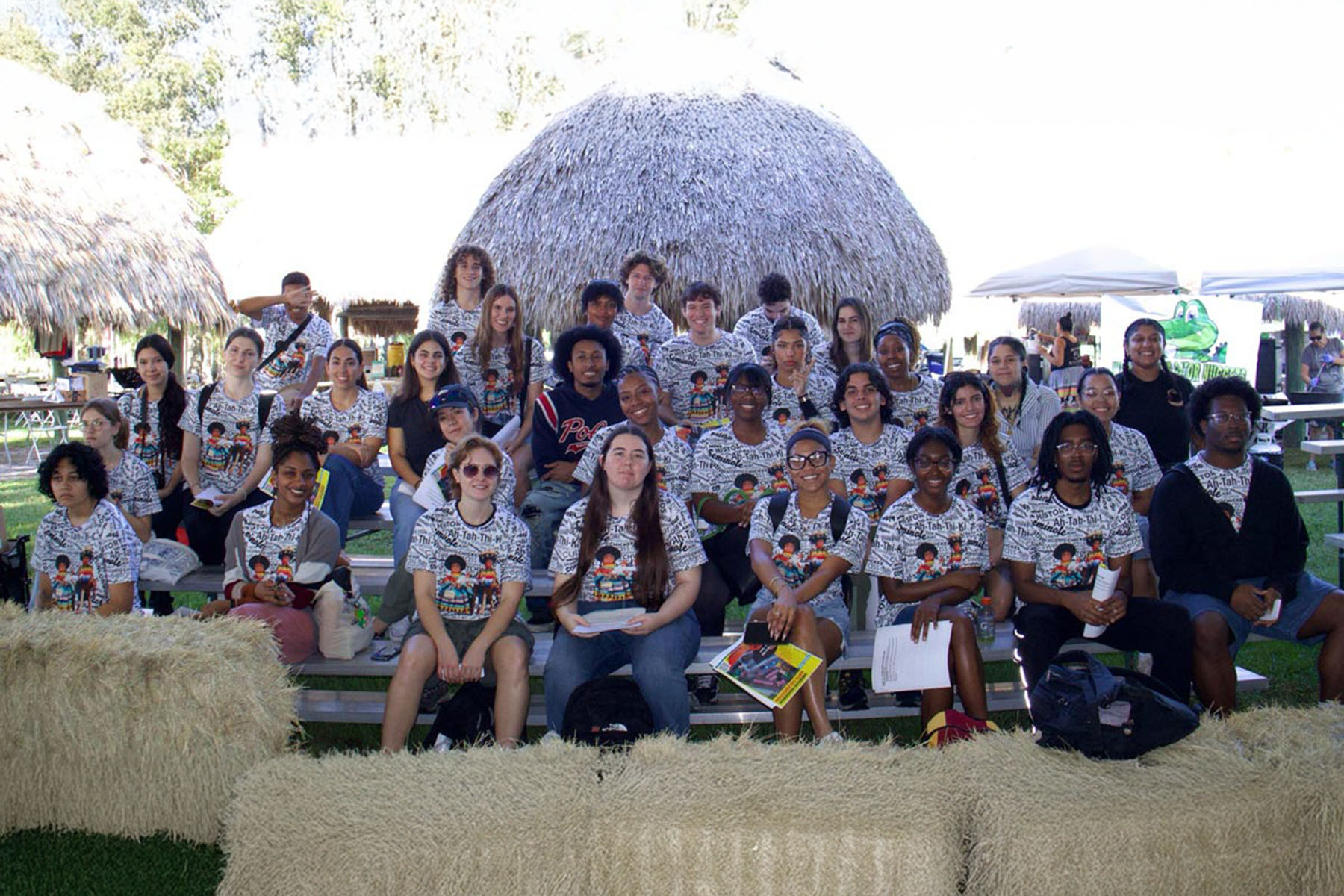
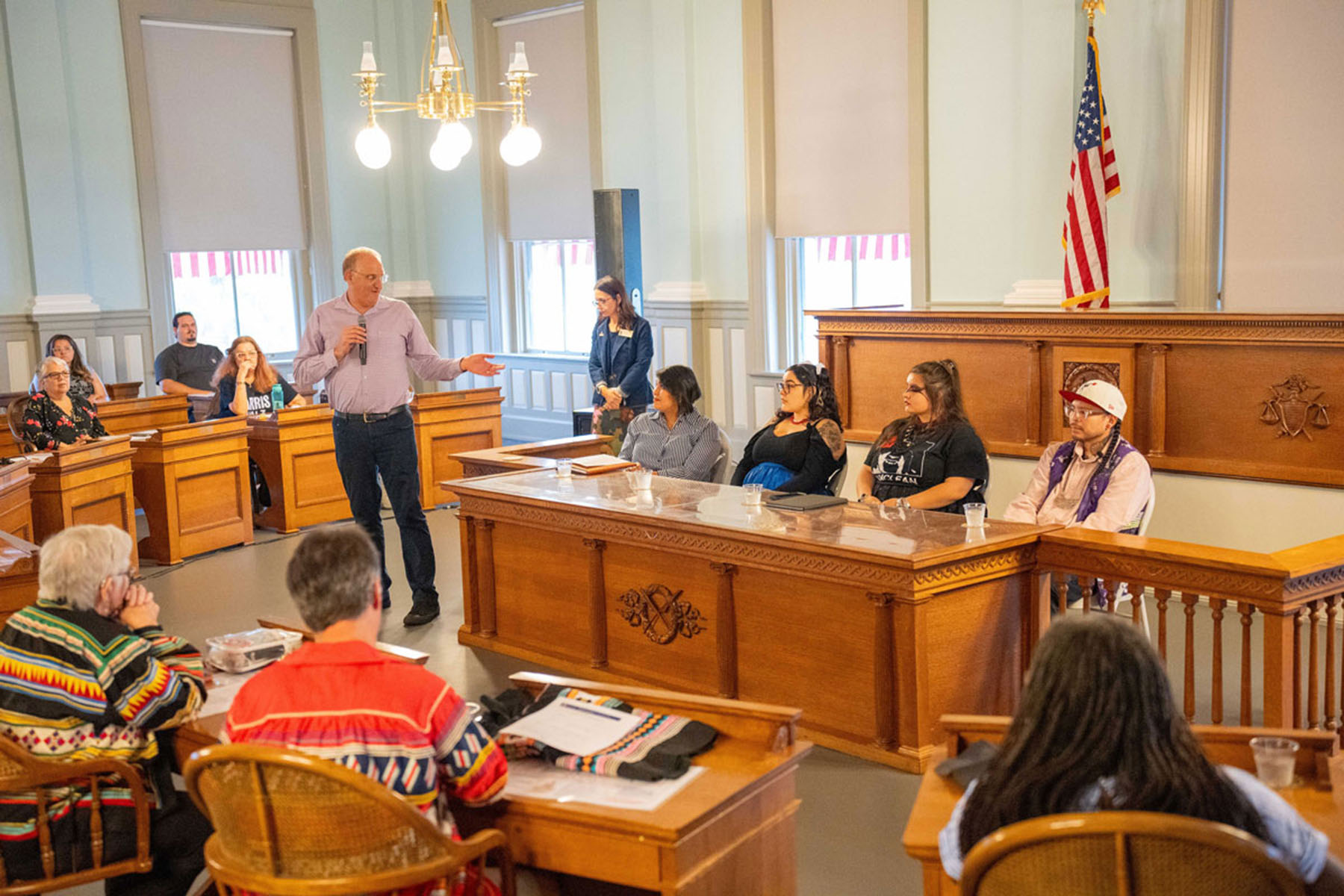
FSU’s commitment to cultural exchange is also evident through experiential learning opportunities. The NAIS Center, in collaboration with FSU’s Center for Leadership and Service, sends student volunteers annually to the American Indigenous Arts Celebration at the Big Cypress Seminole Reservation. Hosted by the Tribe’s Ah-Tah-Thi-Ki Museum, the event offers students immersive experiences in Seminole and Indigenous art, music, dance, and cuisine.
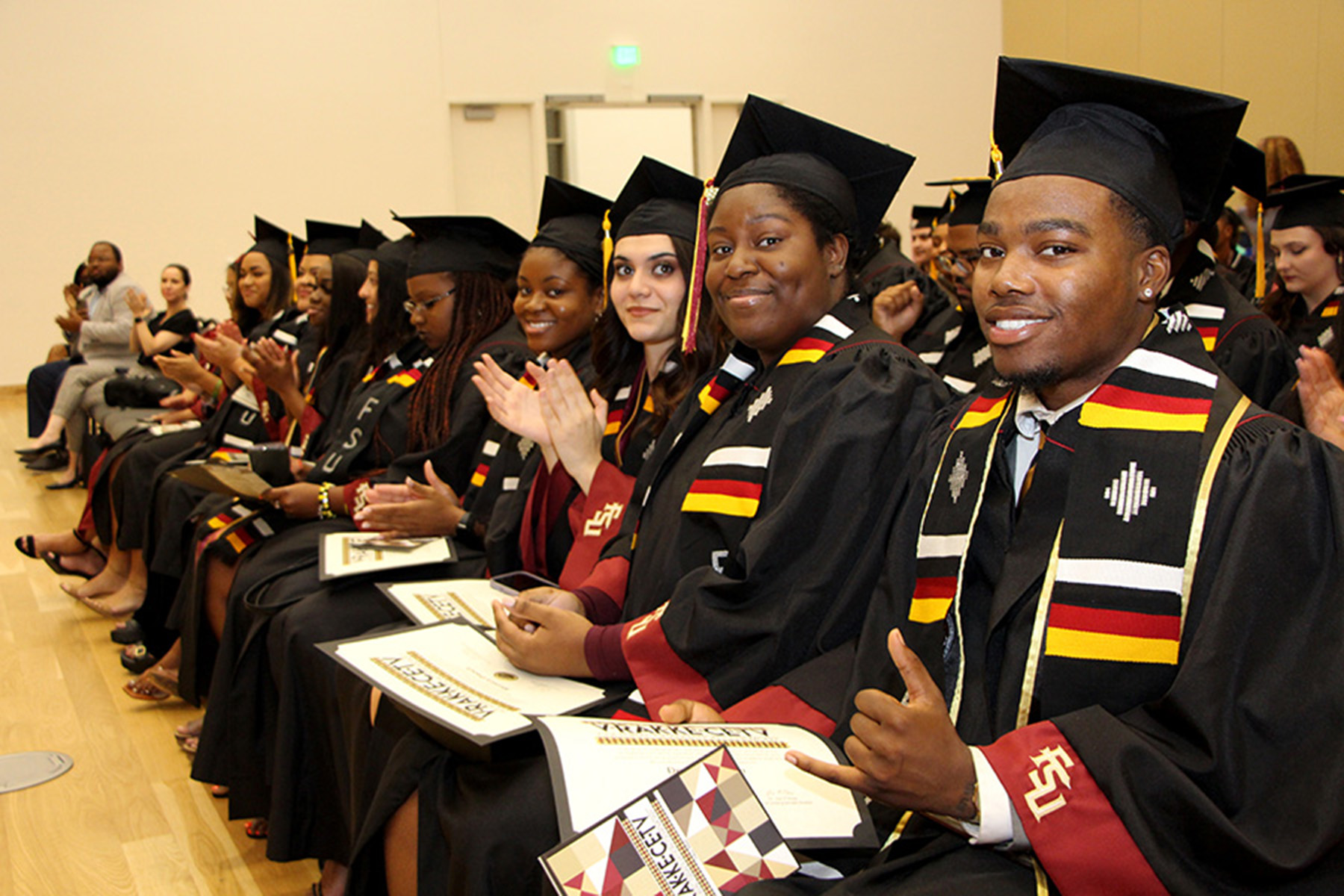
Celebrating identity and achievement, FSU offers the “V-rak-ke-ce-tv” Cultural Graduation Ceremony — named for the Seminole Creek phrase meaning “to honor” —which recognizes graduates, their families, and the significance of being a Seminole.
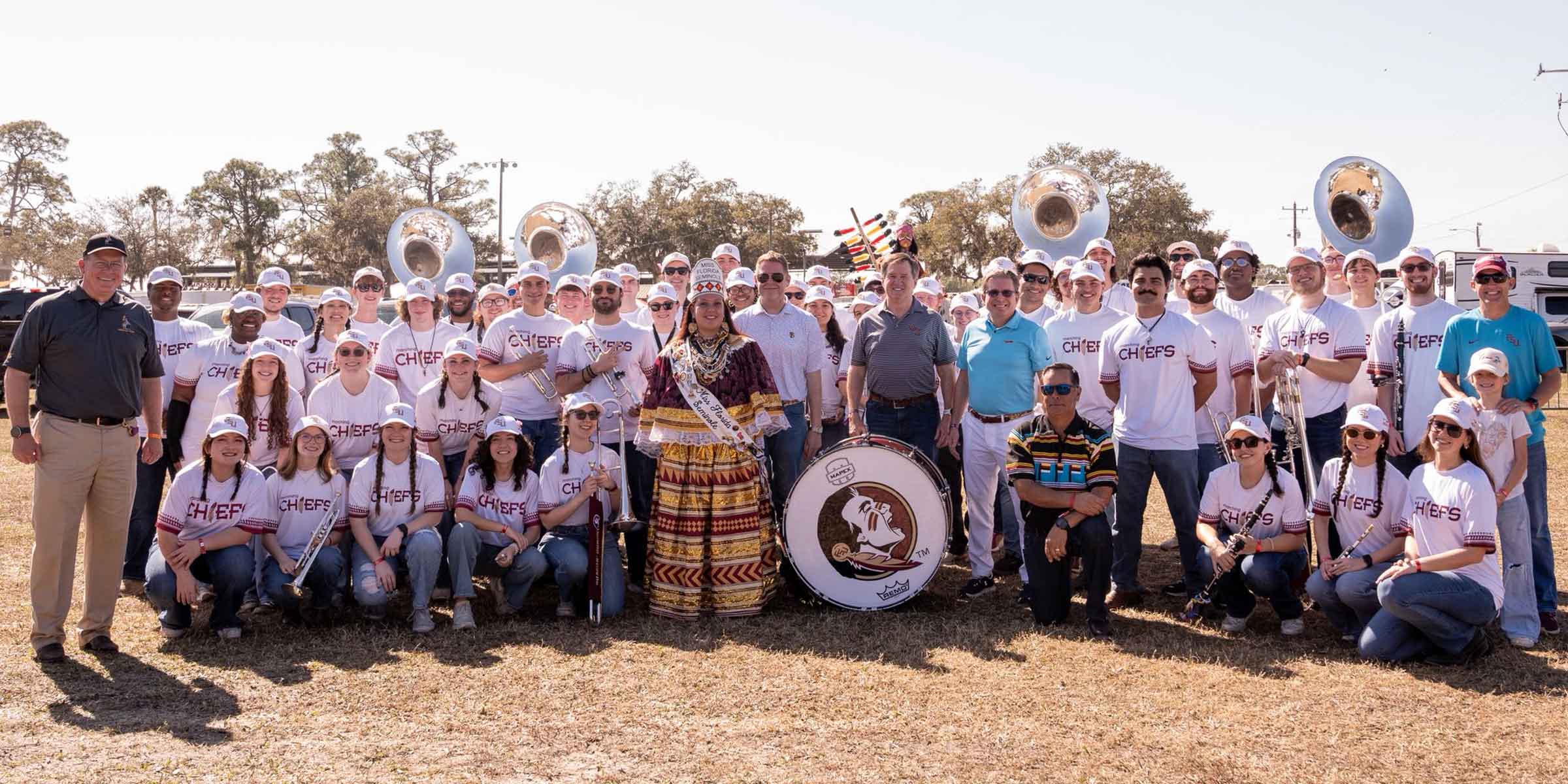
Individual stories further highlight the ongoing connection, such as that of Bailey Marie Latchford, Miss Florida Seminole 2025-2026 and a current FSU student. Her academic journey symbolizes the personal and educational ties that continue to grow between the university and the Tribe.
FSU also maintains a longstanding tradition of participating in annual celebrations such as the Brighton Field Day, which showcases Seminole culture and history, offering students, faculty, and the broader community opportunities to learn from and engage with the Tribe outside the classroom.
As FSU commemorates its 175th anniversary, the university continues to invite all members of the campus community to participate in and honor this historic partnership — one that extends beyond athletics and reflects an ongoing commitment to consultation, collaboration, respect and education.