



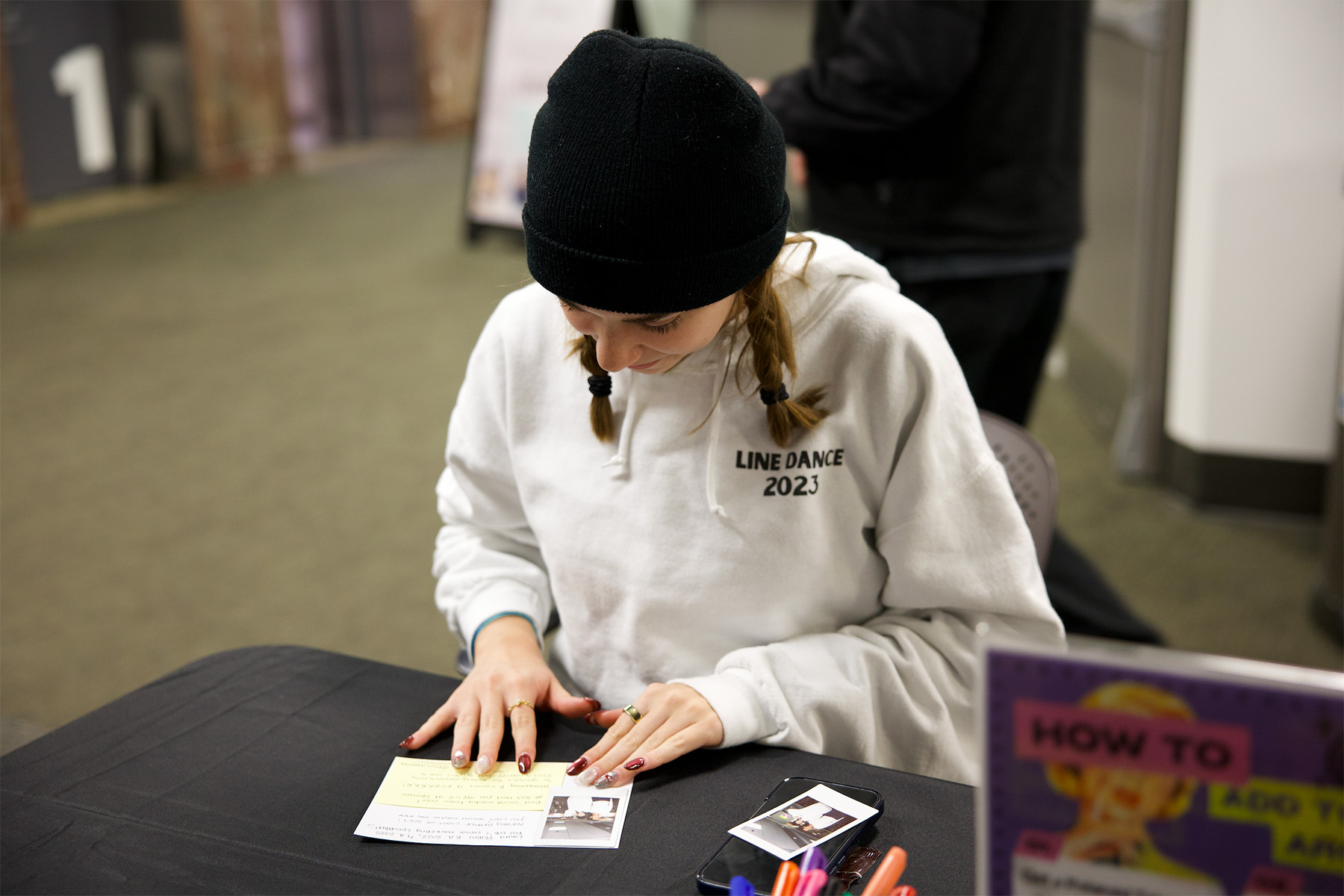
Florida State University Libraries recently launched “Add to the Archive at Strozier,” a hands-on event designed to give students and campus community members a role in building the university’s permanent historical record.
A collaboration between Special Collections & Archives and the University Libraries’ Student Engagement team, the event invited attendees to contribute Polaroid portraits, original artworks and personal notes to be housed within FSU’s official archive collections.
“Add to the Archive reminds us that archives are not just about the past; they are about people,” said Student Engagement Librarian, Crystal Mathews. “By inviting students to see themselves as part of FSU’s historical record, we helped demystify what an archive is and affirmed that today’s student experiences matter. This collaboration captures FSU’s living history, one student voice at a time.”
“By inviting students to see themselves as part of FSU’s historical record, we helped demystify what an archive is and affirmed that today’s student experiences matter. This collaboration captures FSU’s living history, one student voice at a time.”
— Crystal Mathews, student engagement librarian
Unlike traditional archives that often rely on donated papers or administrative records, Add to the Archive at Strozier opened the door to real-time documentation, allowing participants to provide their own context and stories to accompany their physical contributions.
The concept originated with Student Engagement Coordinator Emily McClellan Lopez, who was moved by the frequent appearance of “unknown” labels on people in historical photographs.
“I always feel a little wistful when I see a person has been labeled ‘unknown,’” Lopez said. “The sociologist in me wonders who they were, where they came from and where they ended up.”
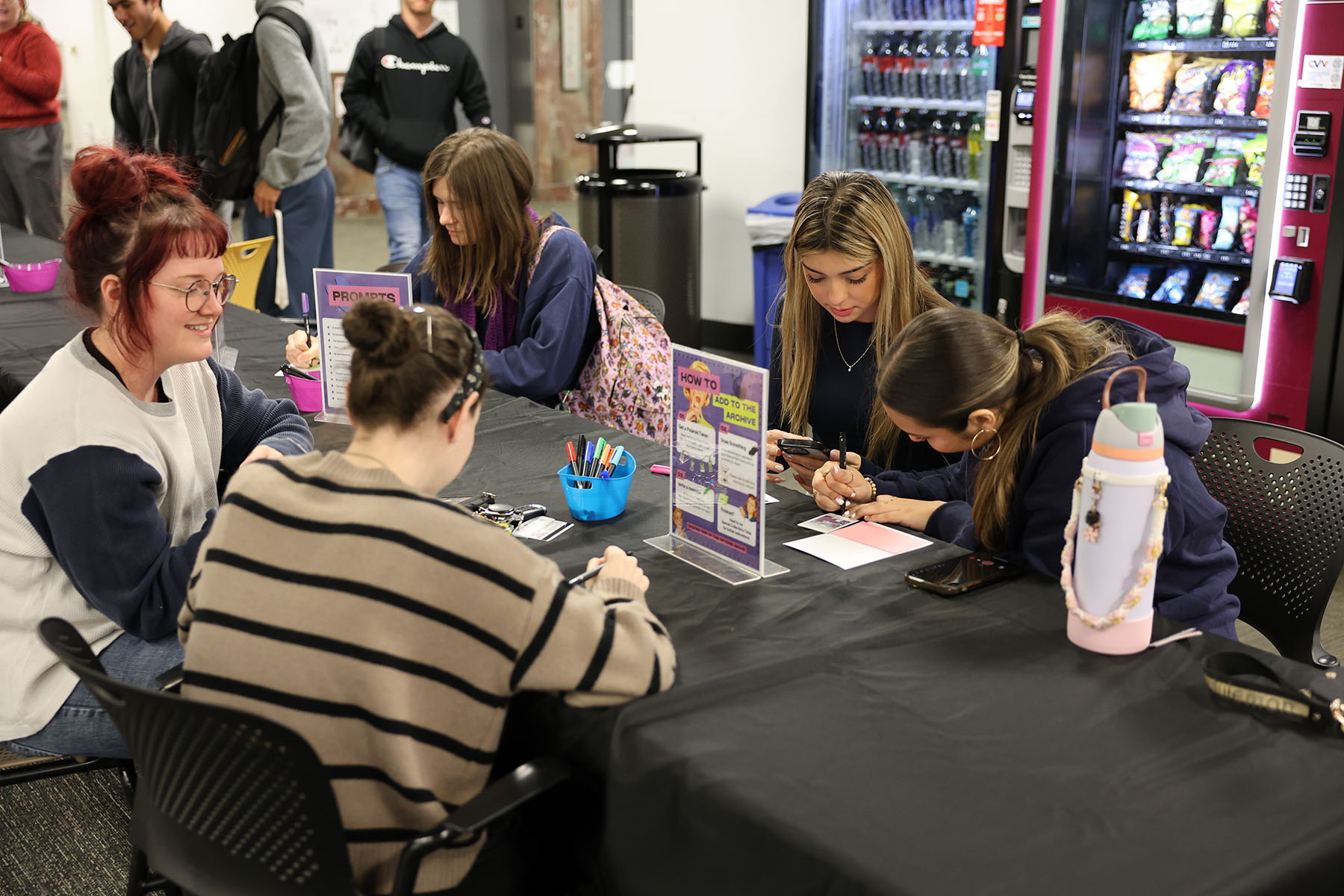
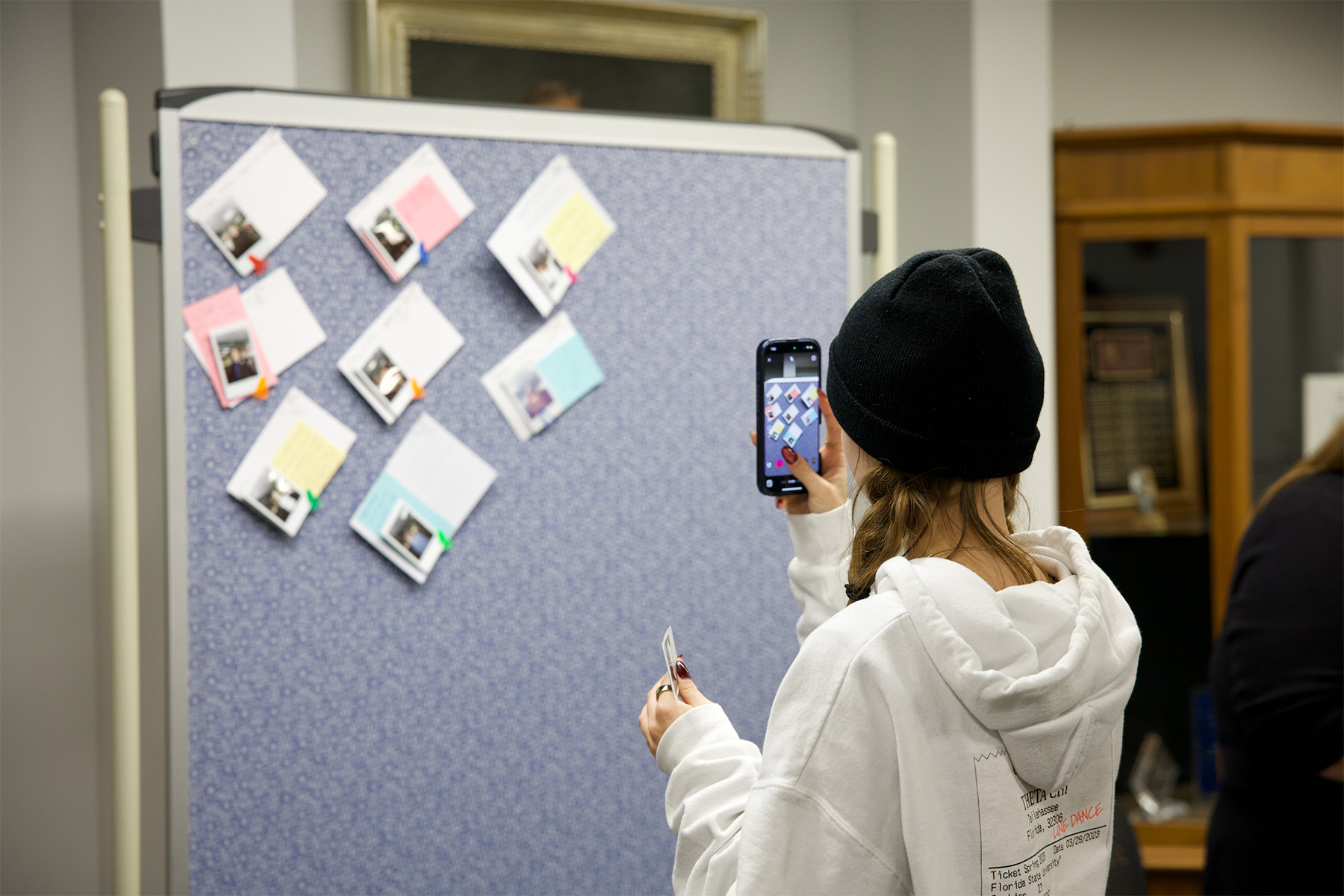
During the event, Libraries staff took Polaroid photographs of the participants. Each item was paired with a detailed notecard to provide context for who or what was depicted, along with any additional relevant information.
“My greatest dream is that 50-plus years from now, a family member will find an item that was contributed and cherish it, or a researcher can use the collection to better understand a time they didn’t experience themselves,” Lopez said.
University Archivist Taylor Henning sees the event as a tool for modernizing the university’s historical record.
“This event has incredible potential to bridge the gap between special collections and the broader campus community,” Henning said. “It allows us to document student life through their own eyes, capturing the authentic energy of the FSU experience that official records might otherwise miss.”
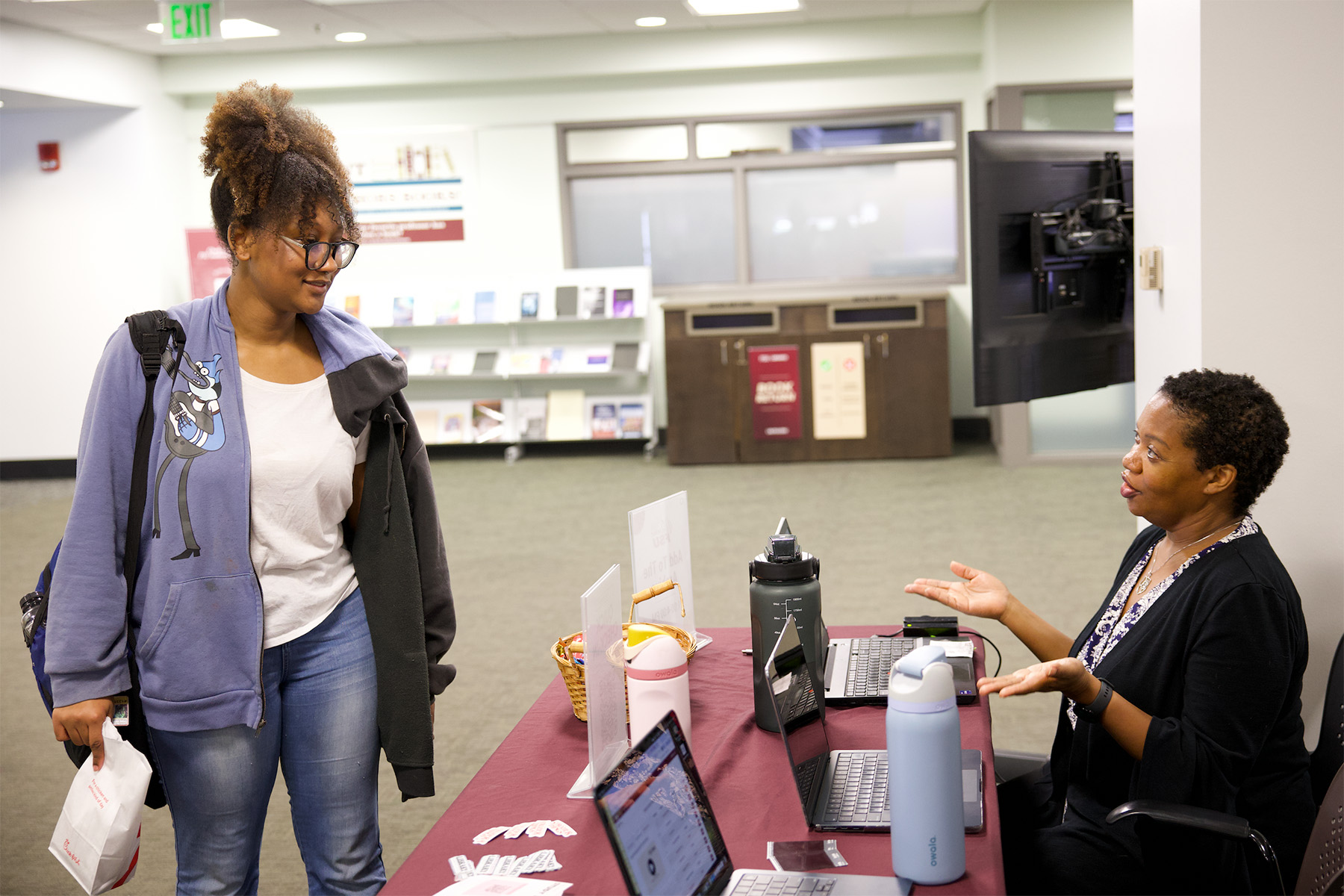
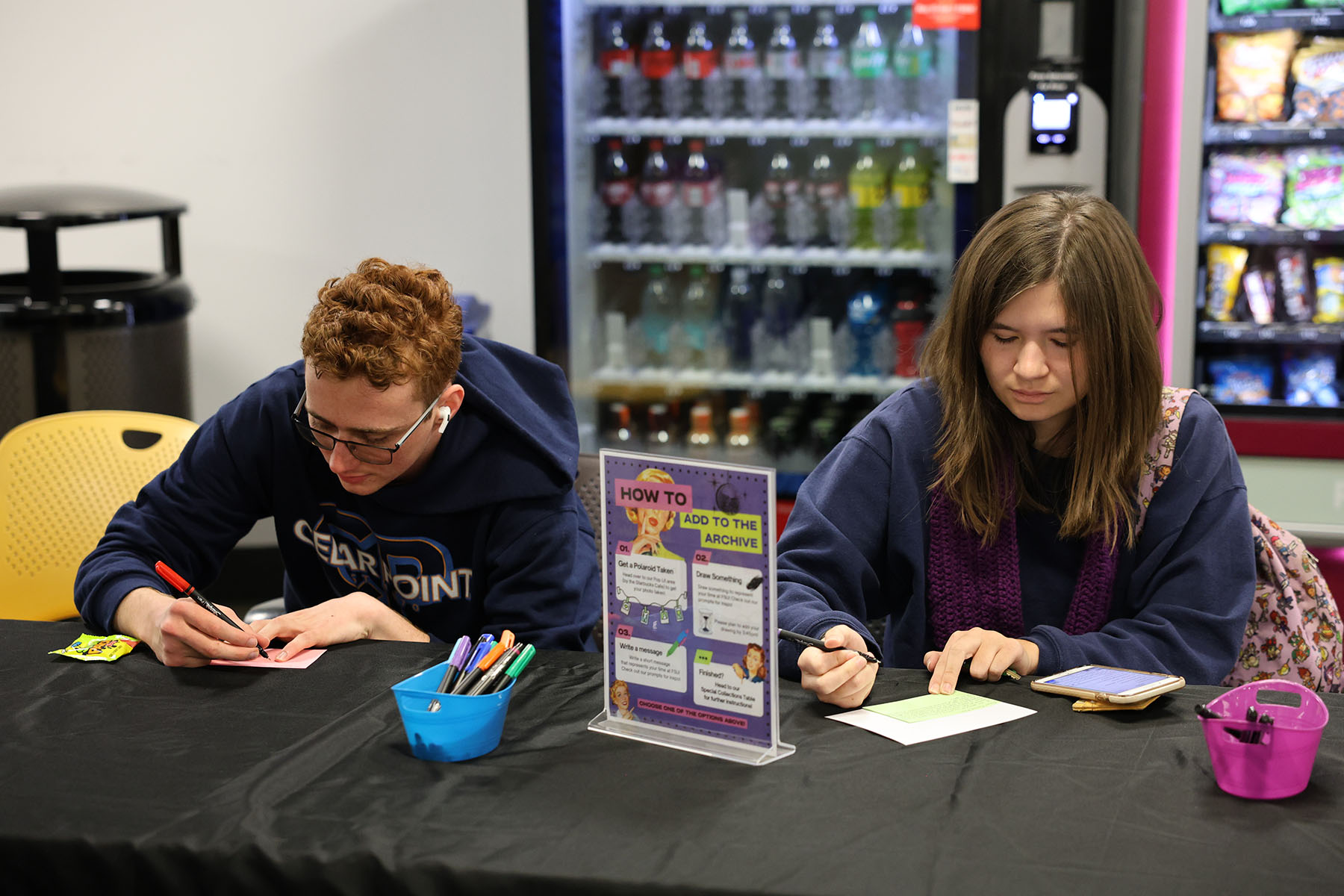
The Polaroids will now undergo a 30-day drying period. Once cured, the portraits and artwork will be housed in archival-quality sleeves and assembled into a specialized album.
To ensure these contributions are easy to find, staff create a public “finding aid,” a guide that describes the collection’s contents, allowing the public to either request the physical album for viewing in the Special Collections & Archives Reading Room or explore the digitized versions through FSU’s Online Digital Repository.
“Our goal is to make the archival process as transparent and reachable as possible,” said Director of Digital Archives Krystal Thomas. “Digitization allows us to safeguard these physical treasures while giving them a second, limitless life online. It ensures that no matter where our students go after graduation, their contribution to Florida State University remains just a click away.”
For more information about Special Collections & Archives, visit lib.fsu.edu/specialcollections.