



Key Points
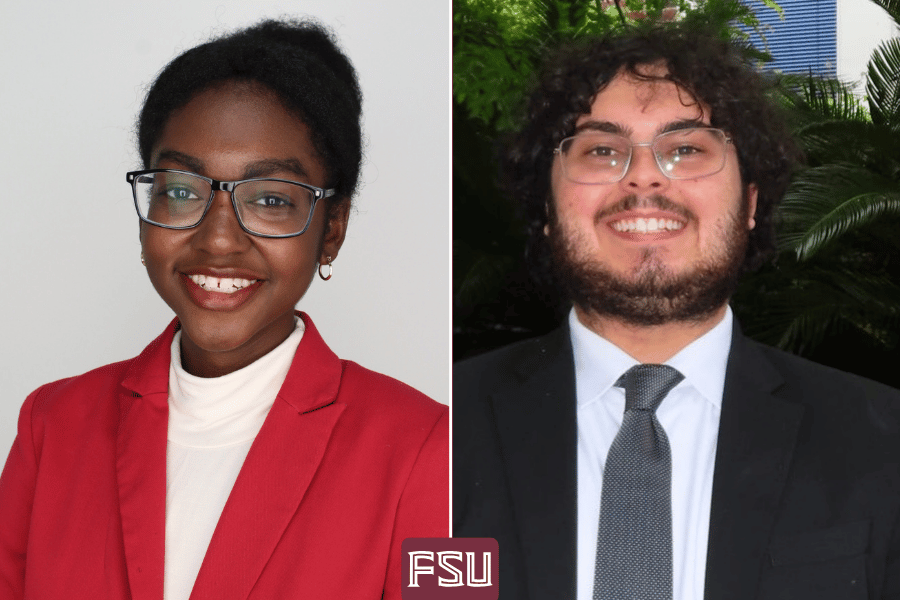
- Florida State University students Ryan Gans and Eryn Files are helping their peers become more informed and engaged citizens through voter registration drives, educational events and opportunities to participate in local government.
- Both students are involved in different organizations aimed at educating FSU students on civic engagement.
Two Florida State University student leaders are helping their peers become more informed and engaged citizens through voter registration drives, educational events and opportunities to participate in local government.
Ryan Gans and Eryn Files are working through separate campus organizations to make civic engagement more accessible to students, whether they’re registering to vote for the first time or learning how to make their voices heard in their communities.
Throughout their time at FSU, both Gans and Files have turned their political interests into initiatives designed to connect students with civic resources and opportunities.
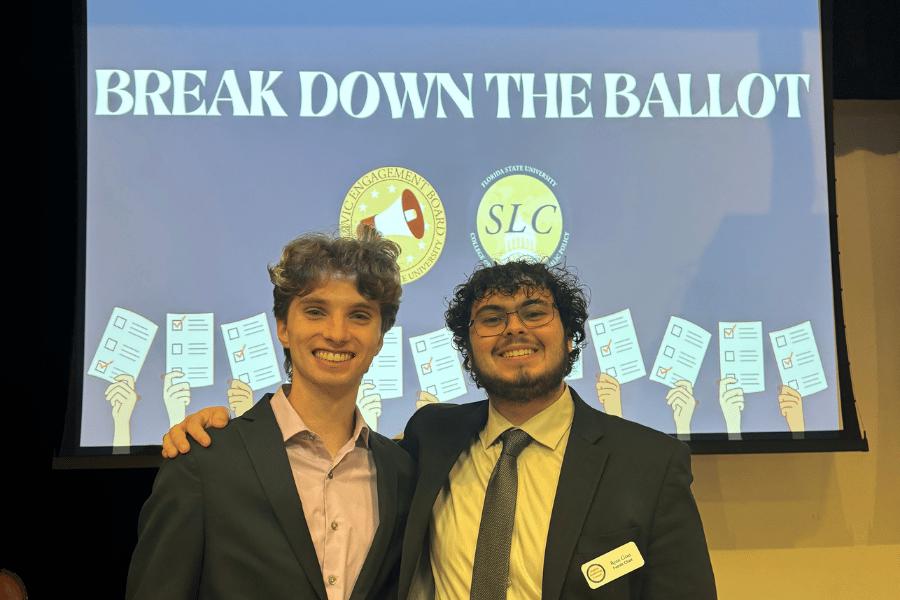
His freshman year, upon noticing a need for more student-focused civic mission, Gans helped launch the FSU Civic Engagement Board, a campus group dedicated to fostering active participation in the election process. One of their first major events was “Break Down the Ballot,” where political professionals came in to explain ballot measures and help students better understand voting. The event helped students who were unsure about how to get involved.
“We noticed a gap in terms of people wanting to get engaged,” Gans said. “They wanted to vote, but they did not know how to. They didn’t know where to vote. They didn’t know how to register to vote.”
“We noticed a gap in terms of people wanting to get engaged. They wanted to vote, but they did not know how to. They didn’t know where to vote. They didn’t know how to register to vote.”
– Ryan Gans, Florida State University student
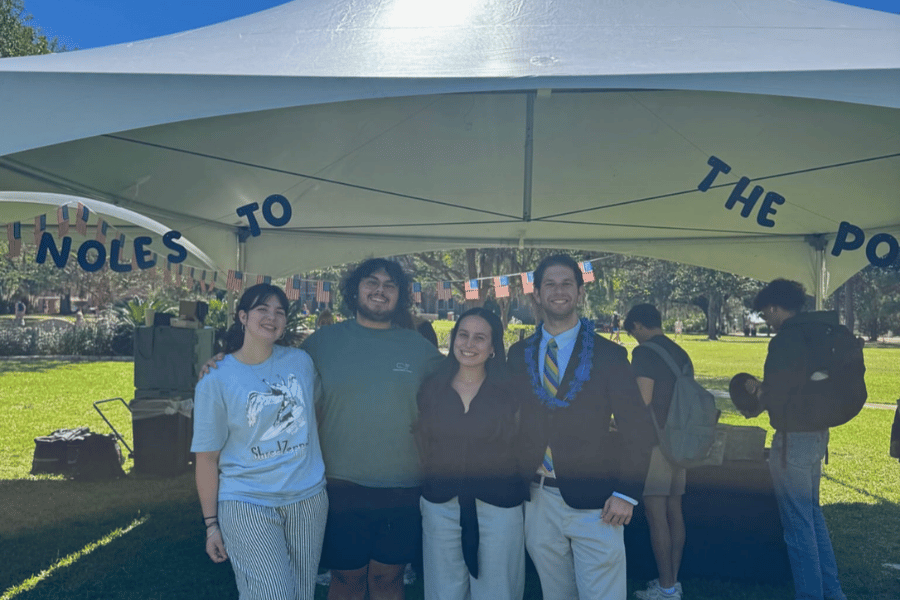
The organization has continued expanding its work with election watch parties and civil discourse programs aimed at encouraging open dialogue among students with different perspectives.
For Gans, a senior political science and international affairs student and executive director of the FSU Civic Engagement Board, his passion for politics started at an early age after getting involved in competitive debate and student leadership.
“It was like watching the puzzle pieces in my brain of all my loves and interests clicking into one place,” he said.
Files is pursuing a Master of Public Administration and serves as a student ambassador for FSU Votes in the Department of Student Engagement, a source for nonpartisan voter education and engagement initiatives at FSU and Leon County. Her passion for being a difference maker came from reading books about influential leaders and changemakers.
A pivotal moment for her occurred during a trip to Selma and Montgomery, Ala., where Files and other FSU students met with community members and answered questions regarding civic history and participation.
“I understood that it was really about mobilizing individuals to see the power that they have and the change you can create with a collective voice,” said Files.
Files became involved with FSU Votes after recognizing just how many students lacked basic information on civic participation. As an FSU resident assistant, she saw firsthand how many students felt uncertain about voting and the general responsibilities that come with that transition.
One of her first initiatives was “Race to Register,” a campus-wide effort that encouraged students across residence halls and organizations to register before Florida’s voter registration deadline. She has since continued working with university leaders and student organizations to create similar opportunities for civic education and engagement.
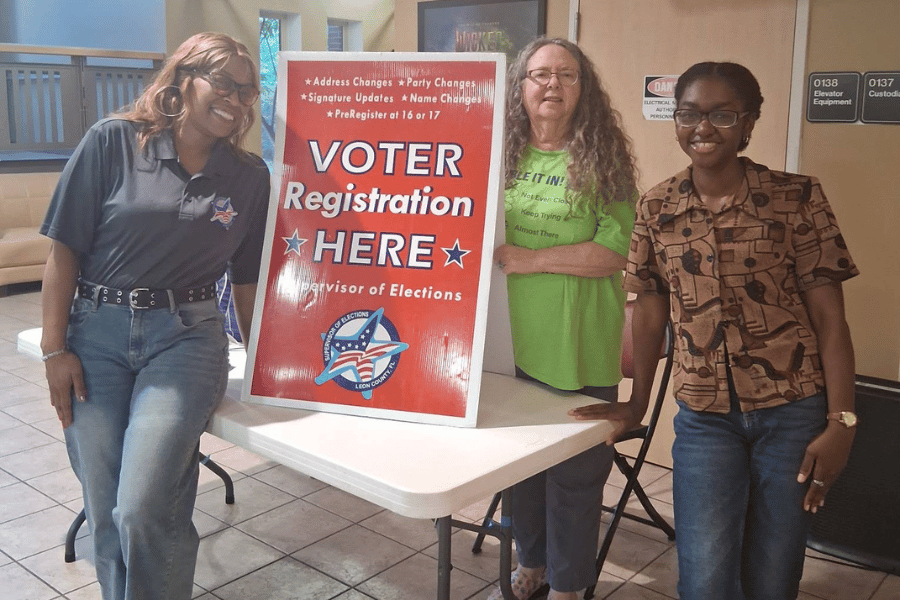
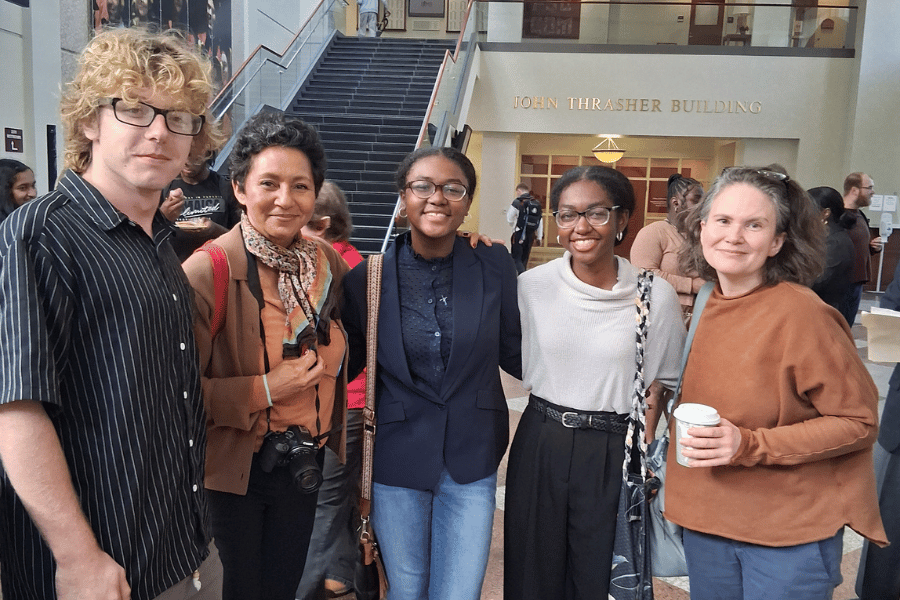
While voter registration remains a major part of their work, both Files and Gans emphasize that civic engagement extends far beyond voting.
“Civic engagement does not start or end at the ballot,” Gans said.
He strongly encourages students to think about their voting obligations a little more broadly, including volunteering and community service, advocacy efforts and conversations with elected officials.
As part of this effort, Files served as a facilitator for the Center for Leadership and Service, helping students attend and observe local government meetings.
“Making it normal to interact with your representatives is an important step in helping students become more engaged citizens,” Files noted.
Reflecting on their individual experiences, Gans and Files came to a mutual conclusion: Young people have more influence than they think. Rather than viewing civic engagement as something reserved for elected officials or policy experts, they hope students can begin to see it as accessible to everyone.
“You can literally start today just talking to your classmates and registering to vote,” Files said.