



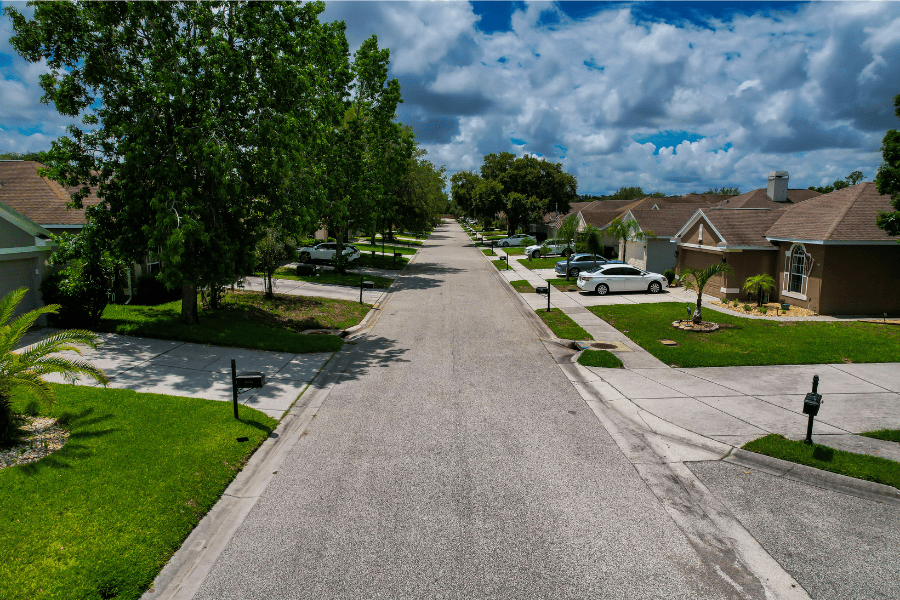
Florida is missing an estimated 55,000 single-family homes and more than 66,000 rental units, according to a first-of-its-kind housing supply model from the DeVoe L. Moore Institute at Florida State University. Produced and distributed in partnership with fellow think tanks Reason Foundation and the Florida Policy Project, the model sheds light on Florida’s growing housing crisis and provides specific recommendations for reform in each of Florida’s 67 counties.
The model tracks surplus and shortage trends across the state, offering policymakers, residents and stakeholders a data-driven tool to better understand and address housing affordability challenges.
The model finds that some of the most acute shortages occur in Miami-Dade, Fort Lauderdale and Tampa — markets that now rank among the least affordable in the nation.
Persistent barriers driving the crisis
The analysis highlights multiple systemic barriers that prevent Florida’s housing supply from keeping pace with demand. Those include:
- Permitting delays: Development projects often stall for months or even years, pushing up costs for builders and buyers alike.
- Restrictive zoning: Rules that favor low-density, single-family development limit options for townhomes, smaller homes and apartments.
- Limited use of flexible housing options: Solutions like accessory dwelling units (ADUs) and residential duplex units (RDUs) remain underutilized, even though they could be thoughtfully integrated into neighborhoods while maintaining local character.
- Political gridlock: Local debates frequently turn housing projects into flashpoints, adding layers of complexity, uncertainty and expense.
A tool for action
Alongside the research, the organizations have released an interactive housing shortage map, now available on each of the organization’s websites. The map allows users to:
- Explore local housing trends across single-family and rental markets.
- Track whether their community has been in surplus, deficit or balance over time.
- Identify opportunities for smarter planning and policy solutions.
“Currently, housing shortage and surplus trends is the key draw for users of the website,” said Crystal Taylor, director of research for the DeVoe L. Moore Institute at Florida State University. “When home or rental prices are high, one of the first actionable steps local governments can do is to make sure there is enough housing inventory available. If there is a shortage, they can look at their local policies toward construction because fierce competition for limited home options drives up prices.”
Adrian Moore, Vice President of the Reason Foundation, believes the housing supply model gives users a better sense of the issues they might face.
“This model equips Floridians with a clear, data-backed understanding of their local housing challenges,” said Moore.
The housing data provides a substantial policymaking impact that benefits both legislative members and Florida residents.
“Our goal is to empower residents and elected officials to work toward solutions that expand supply, reduce costs and preserve community character,” Florida Policy Project Founder and former state senator Jeff Brandes added. “We believe this tool will provide decision makers and Florida citizens real, live data so they will make the tough decisions to propel Florida as the leader in housing affordability.”
About the partners
- The DeVoe L. Moore Institute at Florida State University conducts interdisciplinary research on state and local regulatory issues, with a focus on policies that shape communities and economies.
- Reason Foundation is a nonprofit think tank advancing free minds and free markets through research and policy solutions.
- Florida Policy Project develops practical policy recommendations to address Florida’s most pressing challenges, with a focus on transparency, accountability, and innovation.
For more information and to explore the interactive map, visit the Florida Housing Data Project website.